
Functional silanes are the end cappers, adhesion promoters, water scavengers and crosslinkers that complete a moisture-cure formulation, and catalysts set its cure speed. The portfolio includes amino, epoxy, mercapto, isocyanato, vinyl, phenyl and alkoxy silanes, plus organotin catalysts for MS polymer and silicone curing systems.
Match the organofunctional group to the resin or substrate:
- Amino silanes are commonly evaluated with epoxy, polyurethane and phenolic systems.
- Epoxy silanes suit acrylic and epoxy dispersions where an amino group is unsuitable.
- Mercapto and isocyanato silanes are used in reactive polymer and prepolymer systems.
Then confirm the hydrolyzable group, CAS number and purity on the product TDS. Methoxy grades release methanol on hydrolysis and ethoxy grades release ethanol.
Silane End Cappers
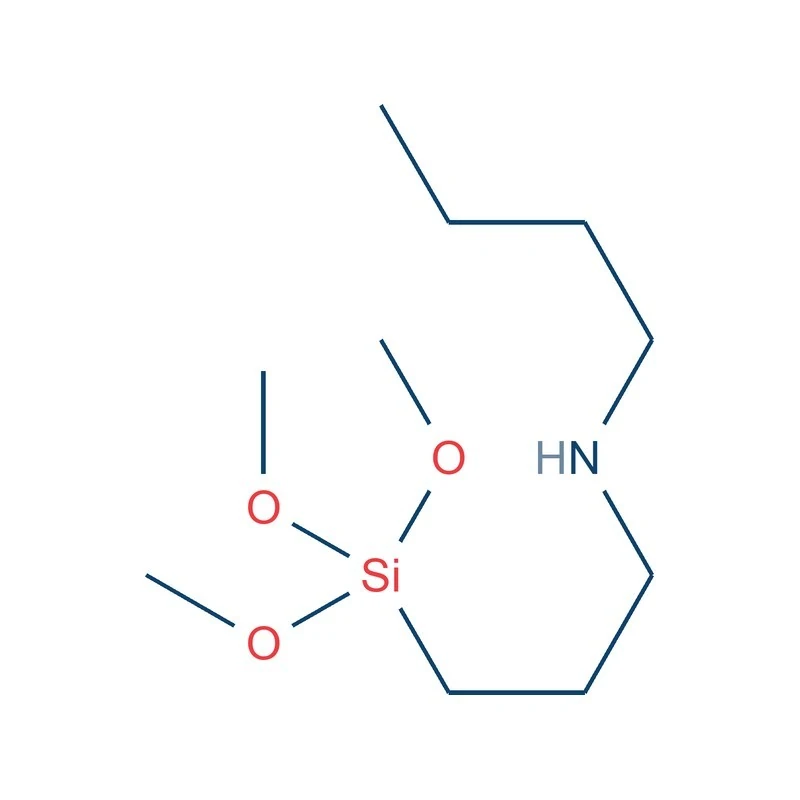
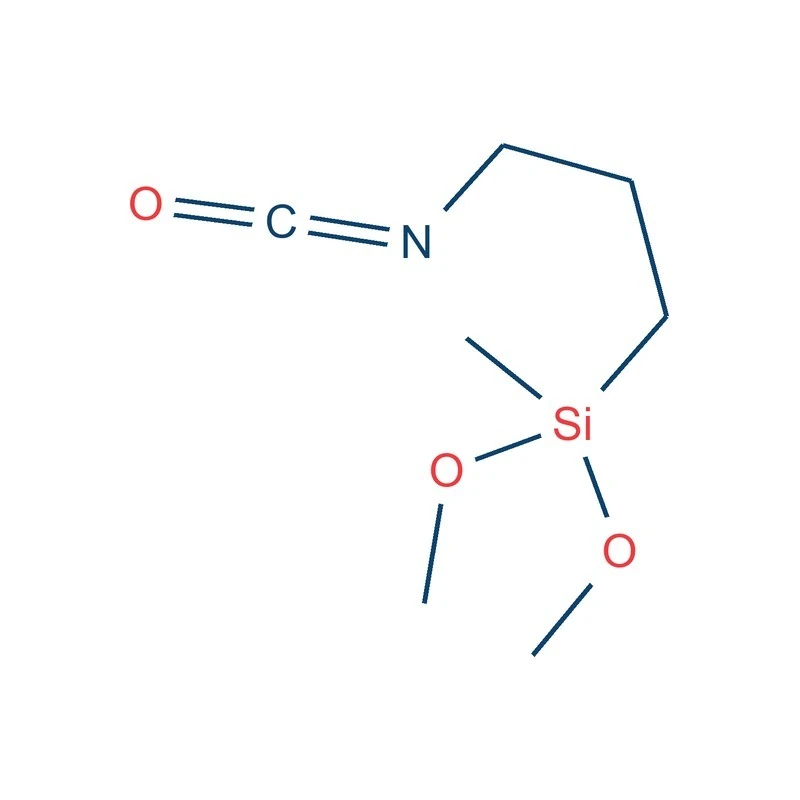
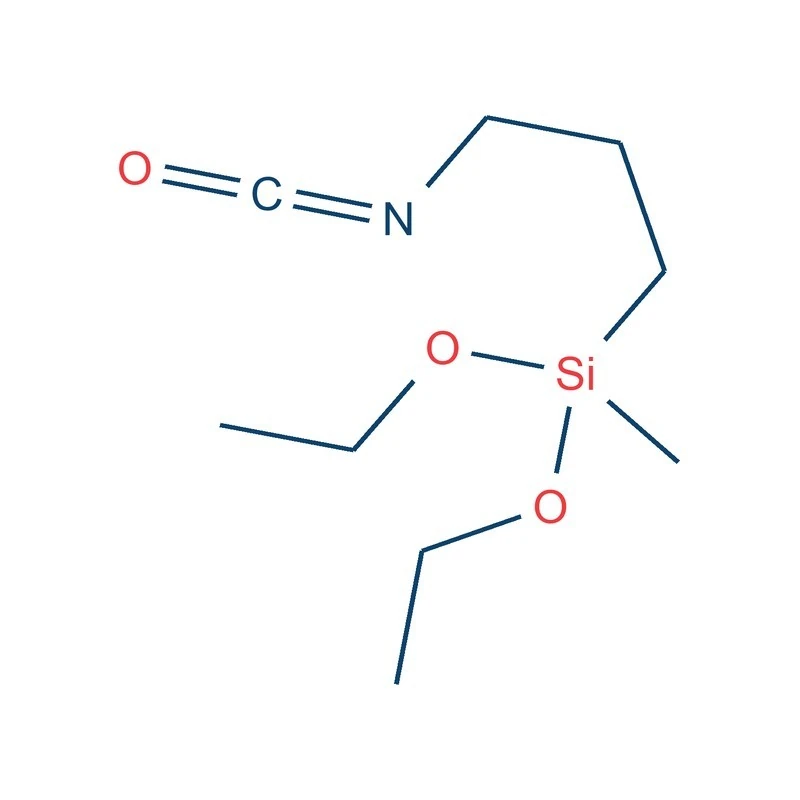
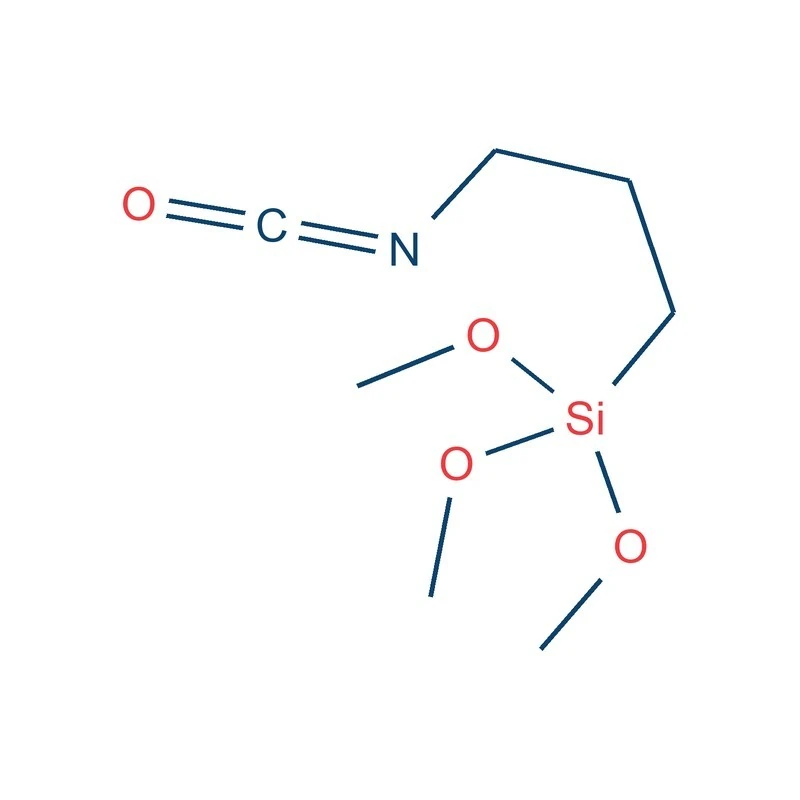
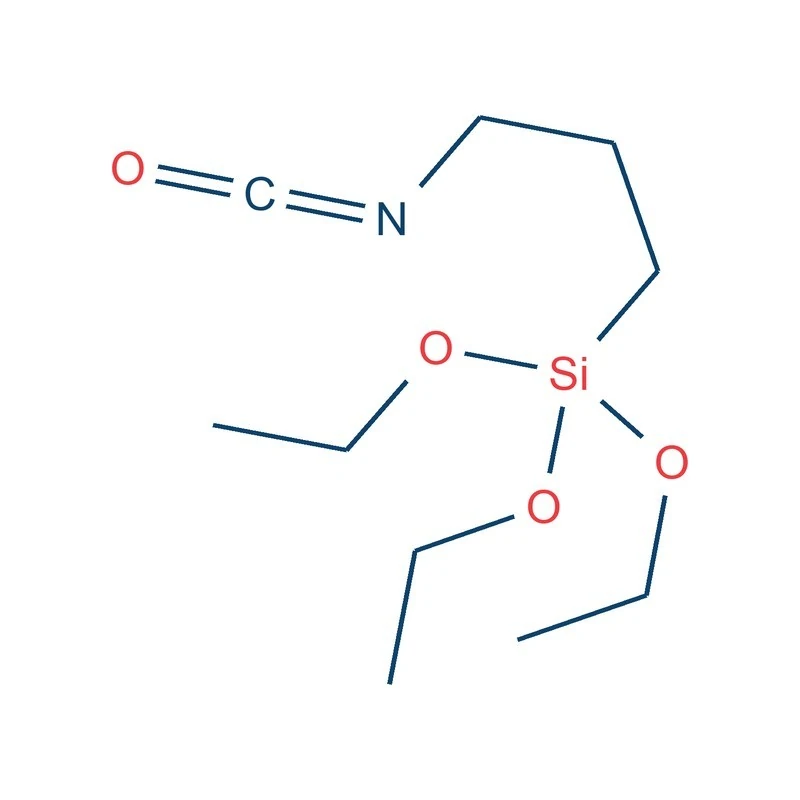
End cappers react with the polymer backbone during synthesis to introduce moisture-curable silyl groups. Manta S310 and Manta S320 are trialkoxy isocyanate silanes, Manta S121 and Manta S122 are dialkoxy isocyanate silanes, and Manta A431 is a secondary amino silane.
| Grade | Chemical Name | Functional Group | Hydrolyzable Group | CAS | Purity | Density | TDS |
|---|---|---|---|---|---|---|---|
| A431 | N-(3-(Trimethoxysilyl)propyl)butylamine | Secondary amino | Methoxy (x3) | 31024-56-3 | 97 min | 0.947 | |
| S121 | (3-Isocyanatopropyl)methyldimethoxysilane | Isocyanate | Methoxy (x2) | 26115-72-0 | 98.00 min | 0.950-1.050 | |
| S122 | (3-Isocyanatopropyl)methyldiethoxysilane | Isocyanate | Ethoxy (x2) | 33491-28-0 | 96.0 min | 0.94±0.1 | |
| S310 | γ-Isocyanatopropyltrimethoxysilane | Isocyanate | Methoxy (x3) | 15396-00-6 | 97.00 min | 1.020~1.080 | |
| S320 | γ-Isocyanatopropyltriethoxysilane | Isocyanate | Ethoxy (x3) | 24801-88-5 | 96.0 min | 0.950~1.050 |
Adhesion Promoters
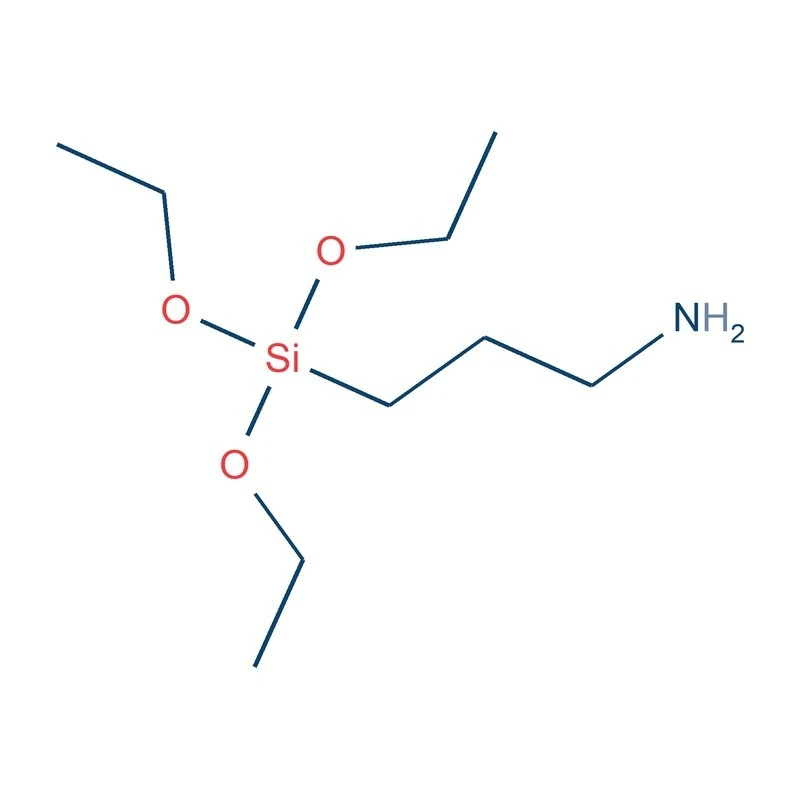
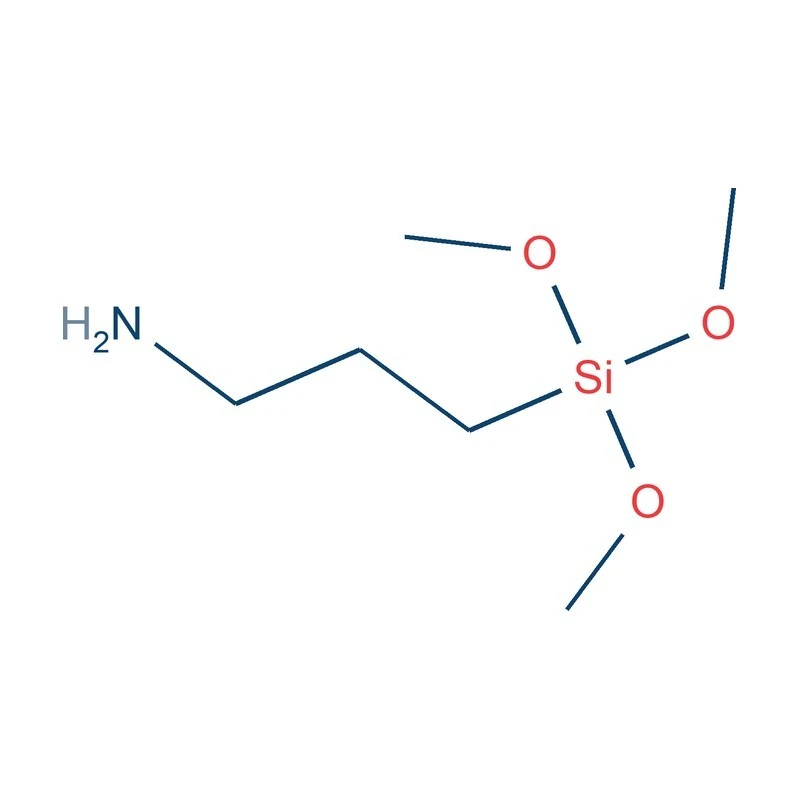
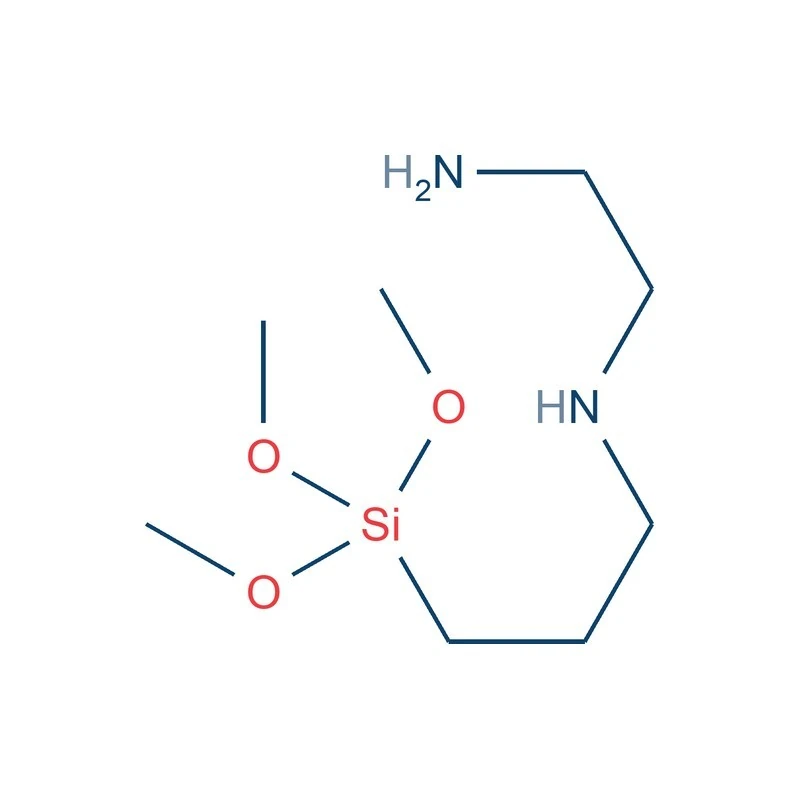
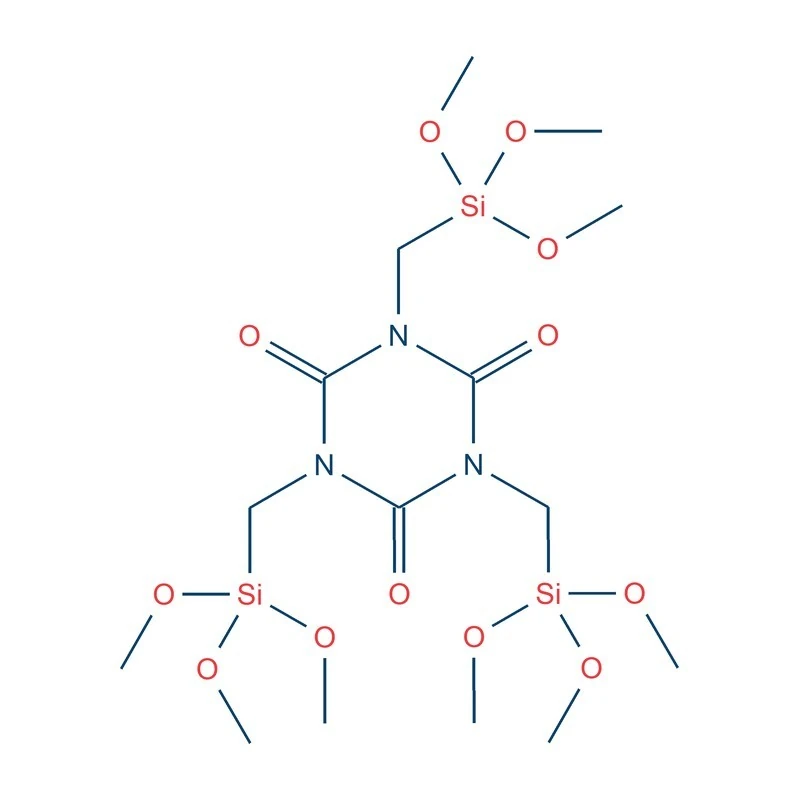
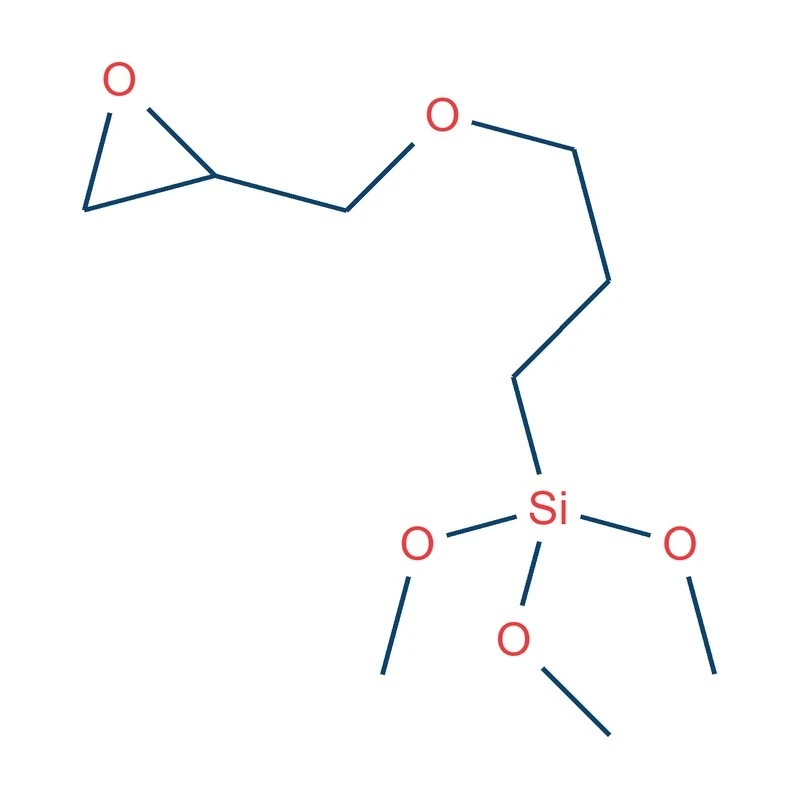
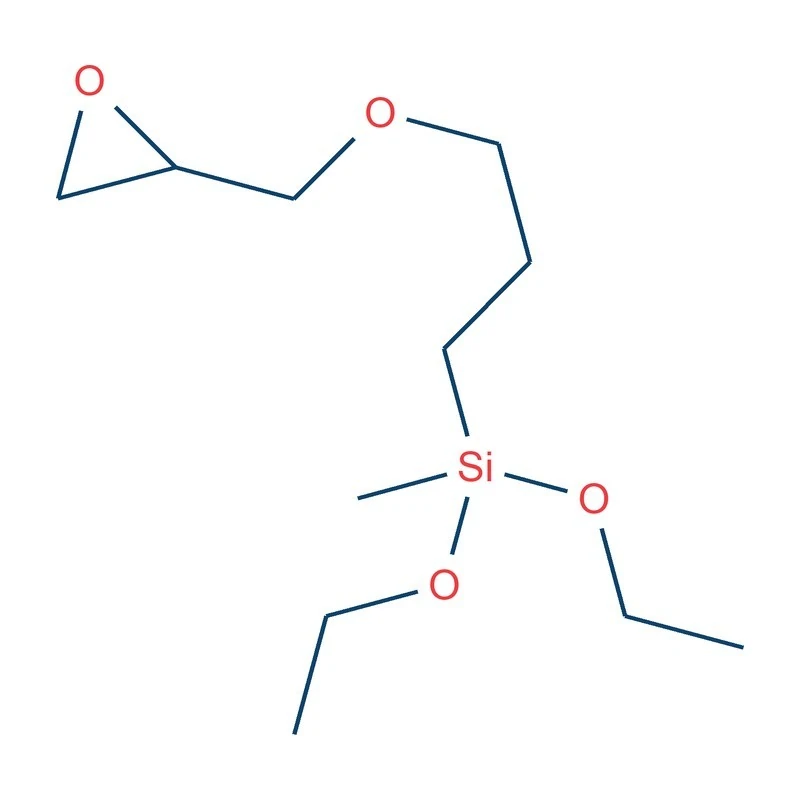
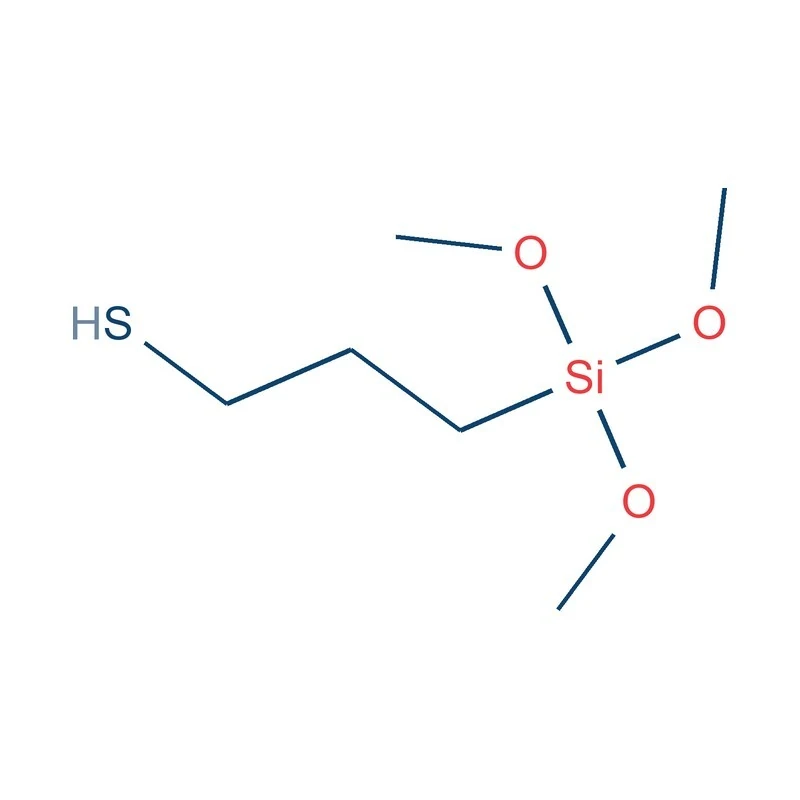
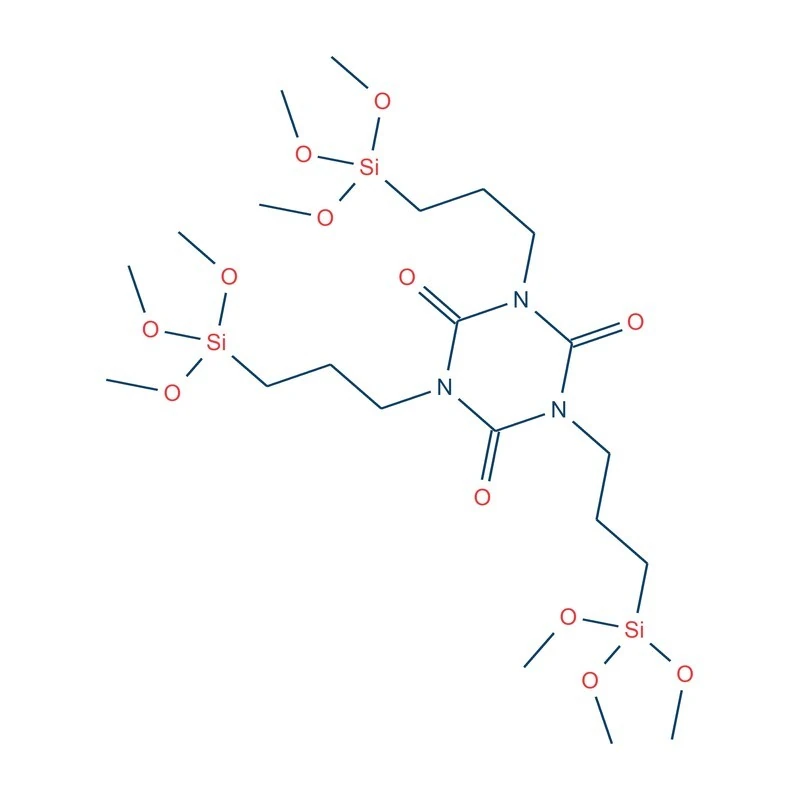
Adhesion promoters improve the bond between polymer and substrate. The series covers amino chemistry (Manta A110, Manta A111, Manta A112, Manta A112T and the aqueous oligomer Manta A146), epoxy chemistry (Manta E560, Manta E563 and Manta OP200), mercapto chemistry (Manta S31) and isocyanurate chemistry (Manta S311 and Manta AM311).
| Grade | Chemical Name | Functional Group | Hydrolyzable Group | CAS | Purity | Density | TDS |
|---|---|---|---|---|---|---|---|
| A110 | 3-Aminopropyltriethoxysilane | Primary amino | Ethoxy (x3) | 919-30-2 | 98min; 99 min | 0.9400–0.9500 | |
| A111 | 3-Aminopropyltrimethoxysilane | Primary amino | Methoxy (x3) | 13822-56-5 | 97.0 min; 98.0 min grade available | 1.0050–1.0150 | |
| A112 | N-β-(aminoethyl)-γ-Aminopropyltrimethoxysilane | Diamino | Methoxy (x3) | 1760-24-3 | 98% | 1.010-1.030 | |
| A112T | (2-Aminoethyl)-3-aminopropyltrimethoxysilane (Technical Grade) N-beta-(Aminoethyl)-gamma-aminopropyltrimethoxysilane mixture | Diamino | Methoxy (x3) | 1760-24-3 | – | Approx. 1.030 | |
| A146 | Aqueous diaminofunctional silane hydrolysate | Diamino | – | – | – | 1.06 | |
| AM311 | 1,3,5-Tris(trimethoxysilylmethyl)isocyanurate | Isocyanurate | Methoxy (x3) | 82199-95-9 | 95 min | 1.160 ~ 1.200 | |
| E560 | γ-Glycidoxypropyltrimethoxysilane | Epoxy | Methoxy (x3) | 2530-83-8 | 98.0min | 1.060~1.075 | |
| E563 | 3-(2,3-Epoxypropoxy)propylmethyldiethoxysilane | Epoxy | Ethoxy (x2) | 2897-60-1 | 97.0 min | 0.9780±0.0050 | |
| OP200 | Epoxy Silane Oligomer | Epoxy | – | – | – | 1.130 - 1.170 | |
| S31 | 3-Mercaptopropyltrimethoxysilane | Mercapto | Methoxy (x3) | 4420-74-0 | 98.0 min | 1.0570±0.0050 | |
| S311 | 1,3,5-tris[3-(trimethoxysilyl)propyl]isocyanurate | Isocyanurate | Methoxy (x3) | 26115-70-8 | 93.0 min | 1.170~1.185 |
Water Scavengers
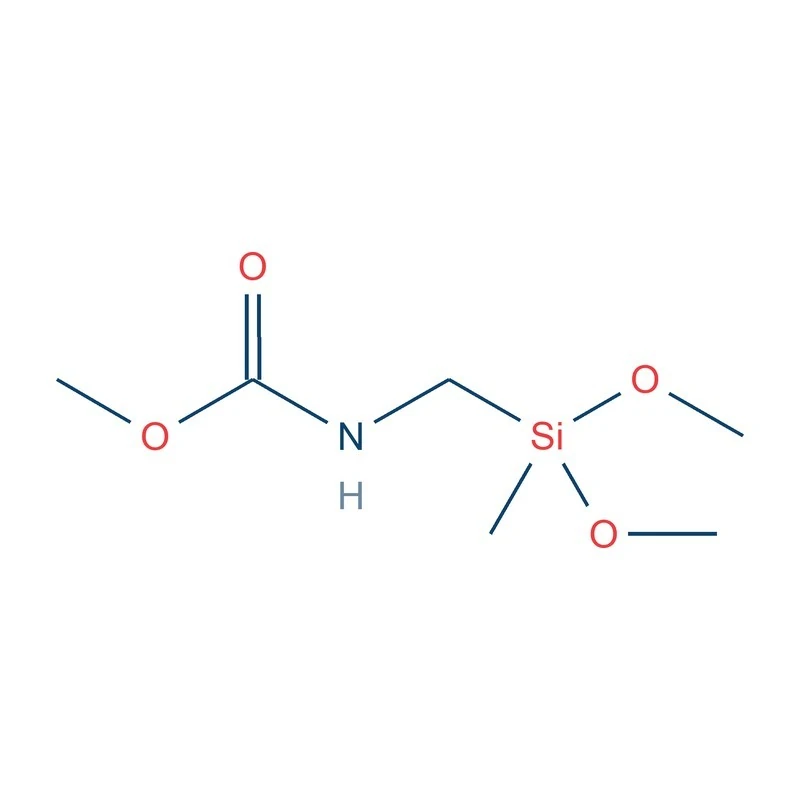
Water scavengers react with residual moisture so a one-component formulation stays stable in the package. Manta V31 is vinyltrimethoxysilane. Manta AM121 is an alpha-functional silane that also acts as a chain extender.
| Grade | Chemical Name | Functional Group | Hydrolyzable Group | CAS | Purity | Density | TDS |
|---|---|---|---|---|---|---|---|
| AM121 | [(Methylcarbamato)methyl]dimethoxymethylsilane | Carbamate (alpha-silane) | Methoxy (x2) | 23432-65-7 | ≥95% | 1.05-1.15 | |
| V31 | Vinyltrimethoxysilane(VTMO) | Vinyl | Methoxy (x3) | 2768-02-7 | 98min | 0.960–0.980 |
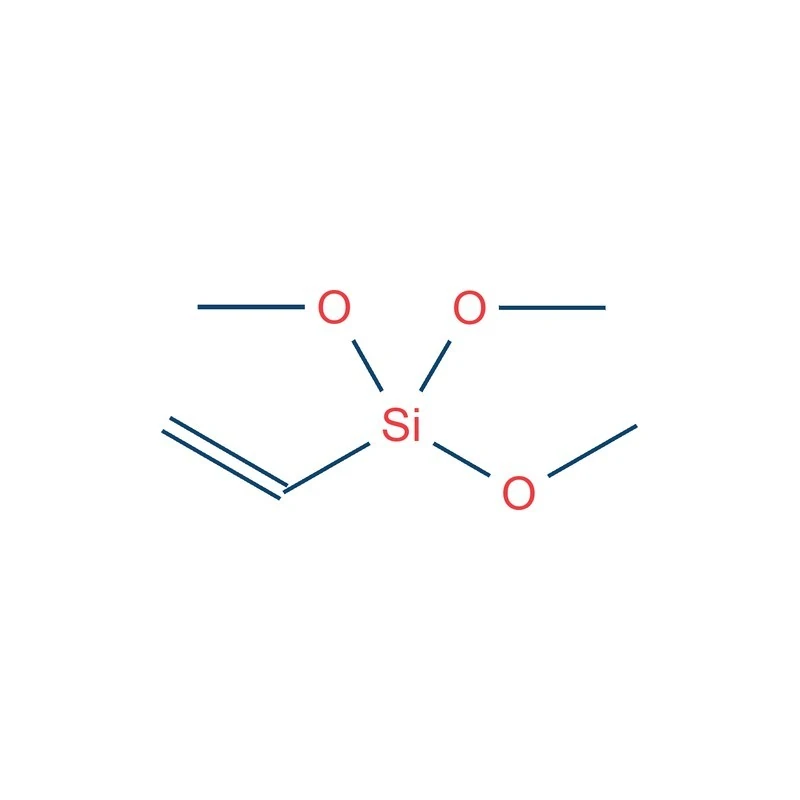
Manta V31
Vinyl-Functional Silane (VTMO) / Crosslinker & Moisture Scavenger
Crosslinkers & Modifiers
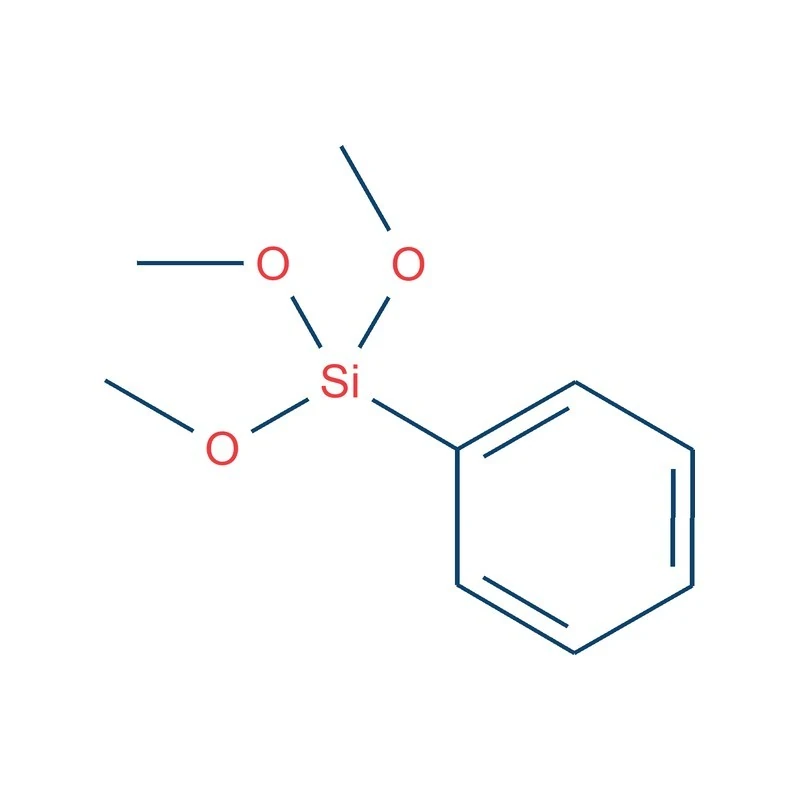
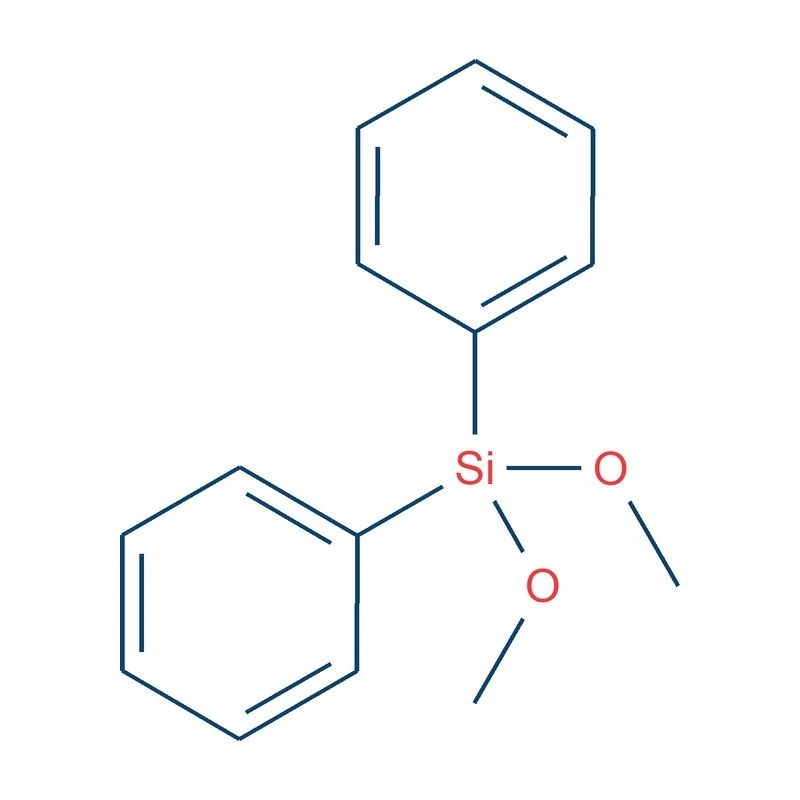
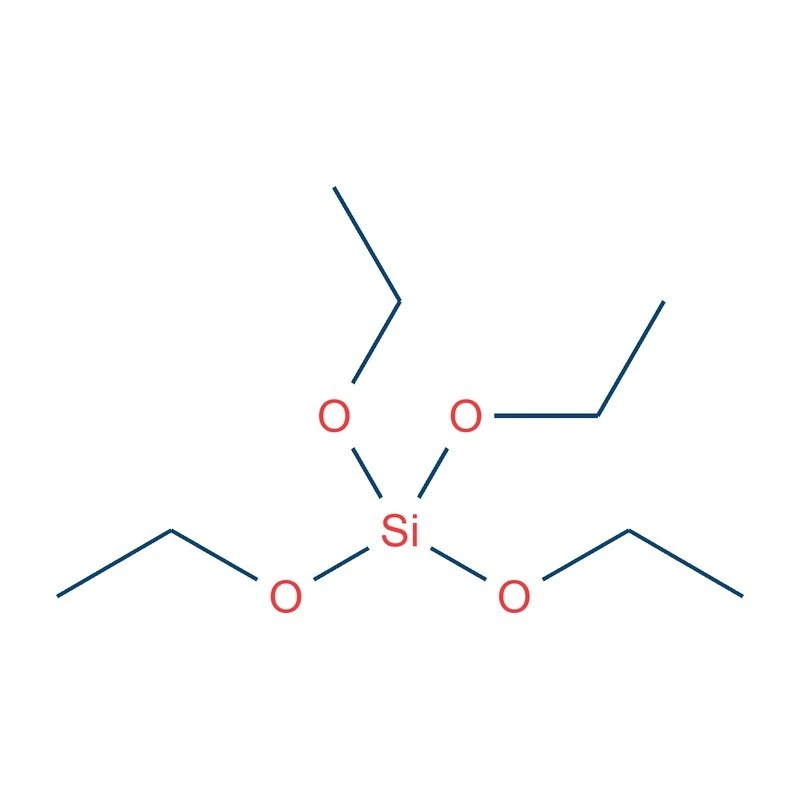
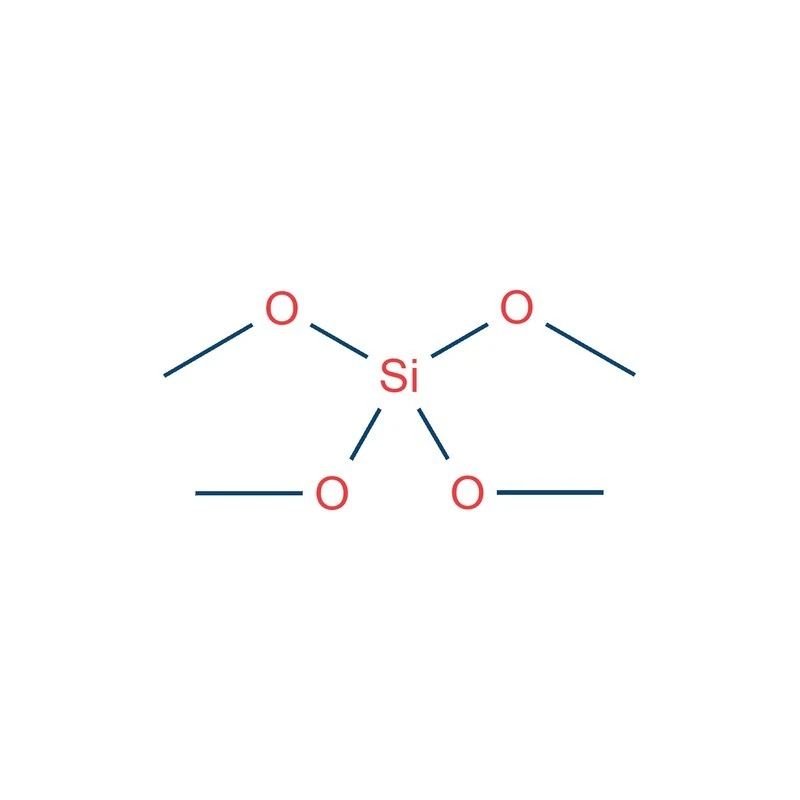
Manta 931 is a methyltrimethoxysilane crosslinker for neutral-cure RTV silicones. Manta TEOS28 and Manta TMOS are tetraalkoxysilanes used as sources of silicon dioxide, with TMOS hydrolyzing faster. Manta P31 and Manta PD21 are phenyl silanes for thermal stability and refractive index.
| Grade | Chemical Name | Functional Group | Hydrolyzable Group | CAS | Purity | Density | TDS |
|---|---|---|---|---|---|---|---|
| 931 | Methyltrimethoxysilane | Methyl | Methoxy (x3) | 1185-55-3 | 99 min; 99.5 min (Electronic Grade) | 0.9500±0.0050 | |
| P31 | Phenyltrimethoxysilane | Phenyl | Methoxy (x3) | 2996-92-1 | 98.0 min | 1.0620±0.0050 | |
| PD21 | Diphenyldimethoxysilane | Phenyl | Methoxy (x2) | 6843-66-9 | 98.0 min | 1.000-1.100 | |
| TEOS28 | Tetraethoxysilane / Tetraethyl Orthosilicate | Tetrafunctional | Ethoxy (x4) | 78-10-4 | 99.5min | 0.920-0.960 | |
| TMOS | Tetramethoxysilane | Tetrafunctional | Methoxy (x4) | 681-84-5 | 96min | 1.023 |
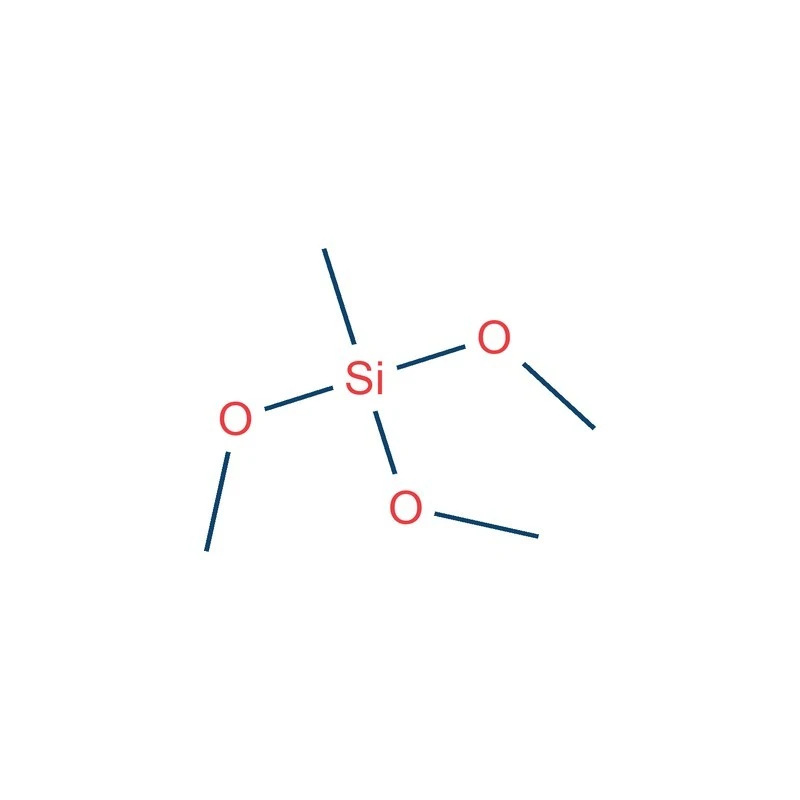
Manta 931
Methyltrimethoxysilane (MTMS) / Fundamental Crosslinker & Modifier
Manta TMOS
High-Purity Tetramethoxysilane (Orthosilicic Acid Tetramethyl Ester)
Catalysts
Choose by cure speed, odor and the rules that apply to your end use. Manta CAT-DBTDL has a balanced profile, Manta CAT-DBTA has a higher tin content and reacts faster, Manta CAT-CTHMTS is a chelated grade for MS polymer and RTV systems, and Manta CAT-DOTDL is used where dibutyltin compounds are restricted. Organotin compounds are regulated in several markets; each product page summarizes the position.
| Grade | Chemical Name | CAS | Tin Content | Appearance | Density | TDS |
|---|---|---|---|---|---|---|
| CAT-CTHMTS | Chelated Organotin Complex | – | 27.0% – 28.0% | Yellowish Oily Liquid | 1.21-1.23 | |
| CAT-DBTA | Dibutyltin Diacetate (DBTA/DBTDA) | 1067-33-0 | 33.4% – 34.4% | Slightly yellow liquid (No mechanical impurities) | 1.31 | |
| CAT-DBTDL | Dibutyltin dilaurate | 77-58-7 | 18.0%-19.2% | Slightly yellow transparent liquid | 1.040-1.080 | |
| CAT-DOTDL | Dioctyltin dilaurate | 3648-18-8 | 15.0-16.0 | Light yellow transparent oily liquid | 1.010-1.030 |
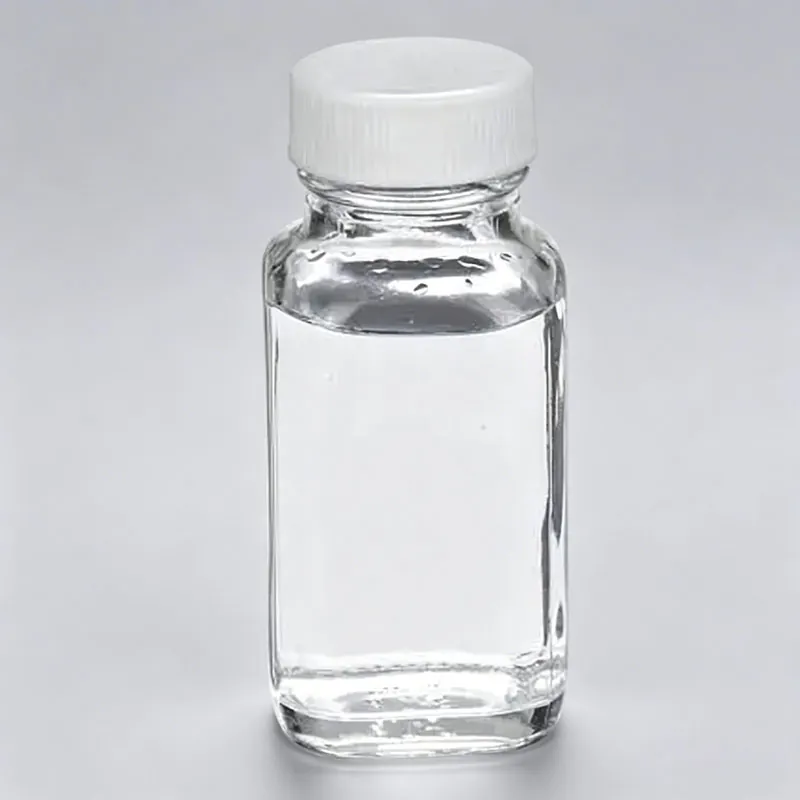
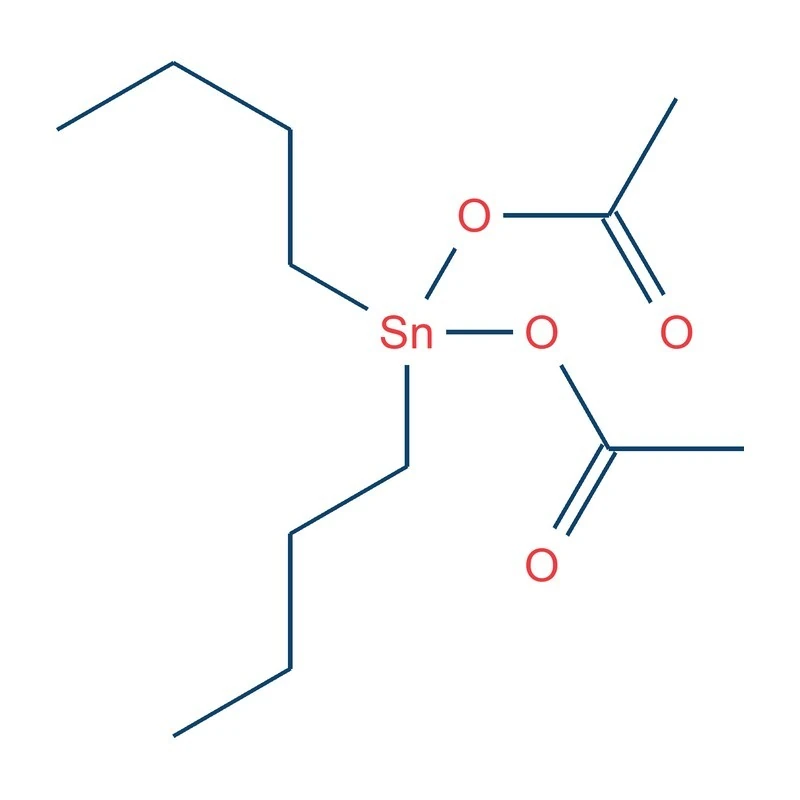
Manta CAT-DBTA
High-Efficiency Organotin Catalyst (Dibutyltin Diacetate)
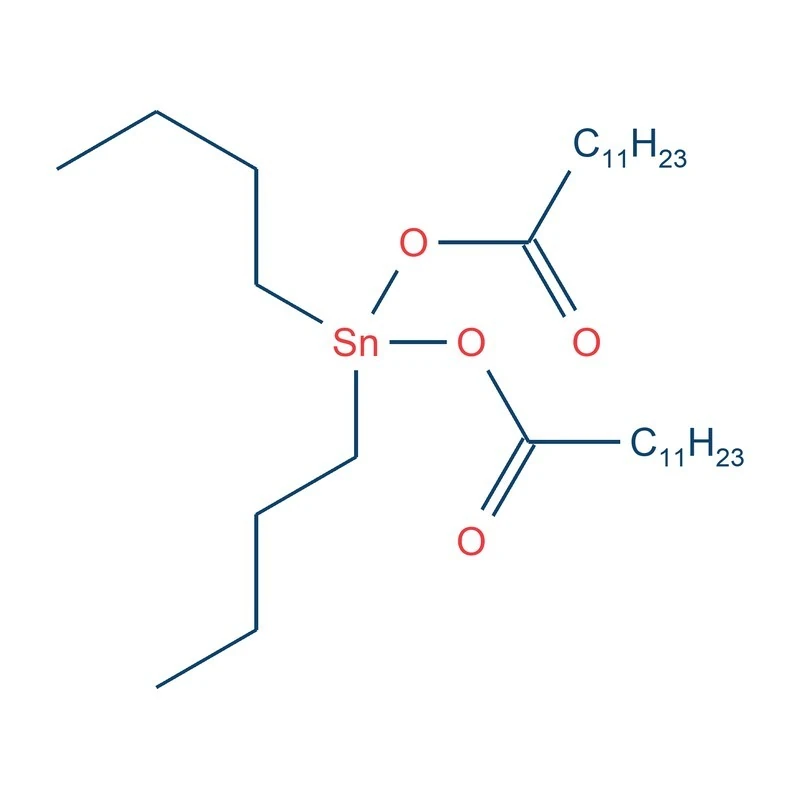
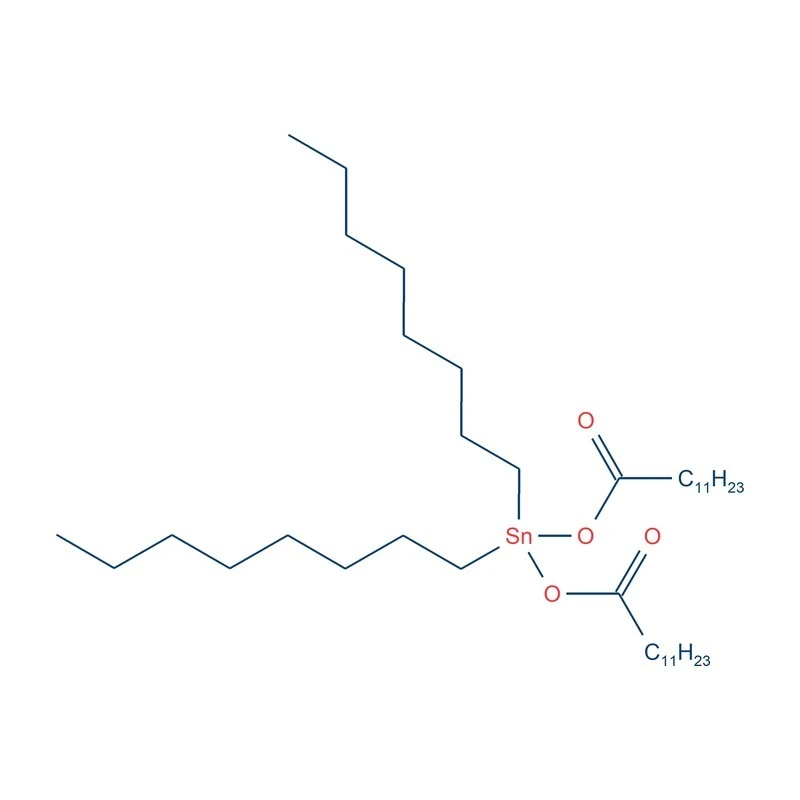
Manta CAT-DOTDL
Organotin Catalyst & Lubricant (Dioctyltin Dilaurate)
Frequently Asked Questions
How do I choose a functional silane?
Match the organofunctional group to the resin or substrate. Amino silanes are commonly evaluated with epoxy, polyurethane and phenolic systems. Epoxy silanes suit acrylic and epoxy dispersions where an amino group is unsuitable. Mercapto and isocyanato silanes are used in reactive polymer and prepolymer systems. Then confirm the hydrolyzable group, CAS number and purity on the TDS.
What is the difference between methoxy and ethoxy silanes?
The hydrolyzable group decides the by-product. Methoxy grades release methanol on hydrolysis and ethoxy grades release ethanol.
Are organotin catalysts regulated?
Organotin compounds are regulated in several markets. Each catalyst page summarizes the position, and Manta CAT-DOTDL is used where dibutyltin compounds are restricted.
Talk to our technical team
Tell us your application, target properties and estimated quantity. We will suggest grades and arrange documents or samples.