
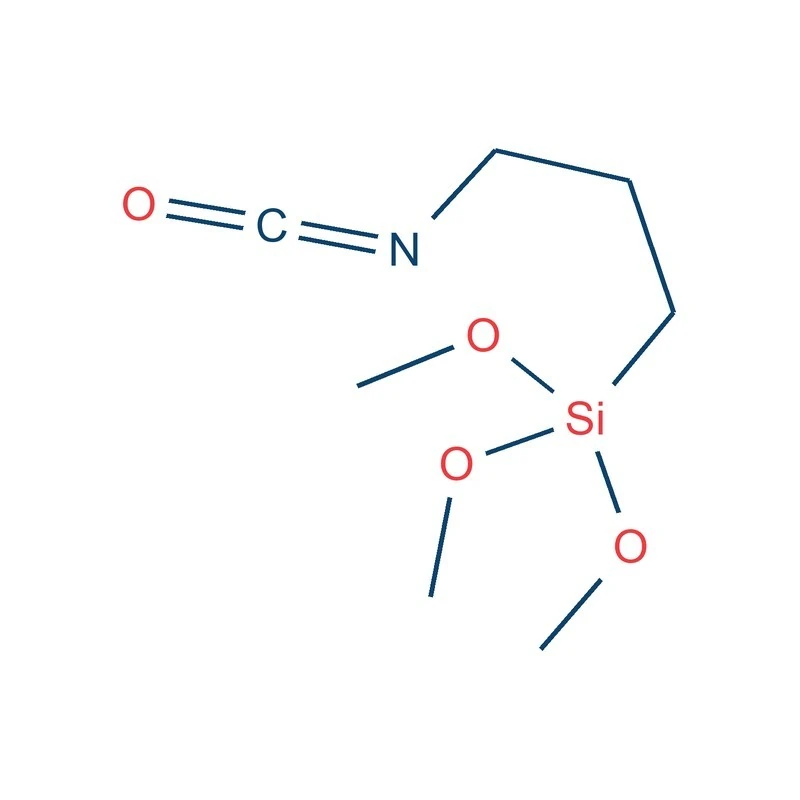
Silane End Cappers
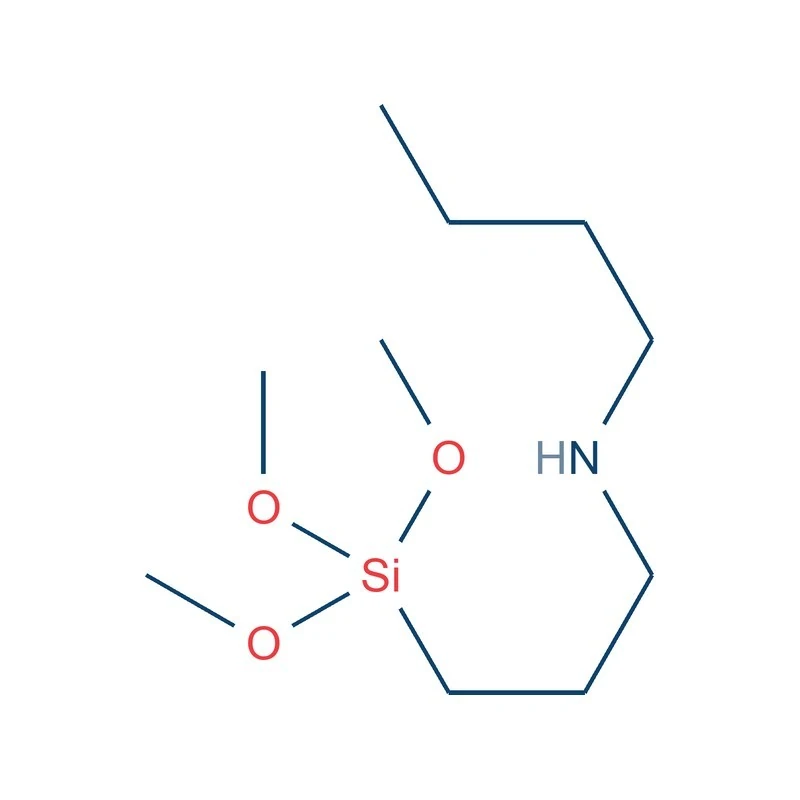
N-Butylaminopropyltrimethoxysilane | Manta A431
Manta A431 is N-(3-(trimethoxysilyl)propyl)butylamine (CAS 31024-56-3), a secondary amino silane used as an adhesion promoter, NCO-prepolymer modifier and end-capper in adhesives, MS Polymer and SPUR systems, foundry resins and glass fiber sizing. Its secondary amine reduces yellowing compared with primary amino silanes, and its methoxy groups release methanol on hydrolysis.
- Grade
- A431
- Chemical Name
- N-(3-(Trimethoxysilyl)propyl)butylamine
- CAS No.
- 31024-56-3
- EINECS
- 250-437-8
- Formula
- C10H25NO3Si
- Form
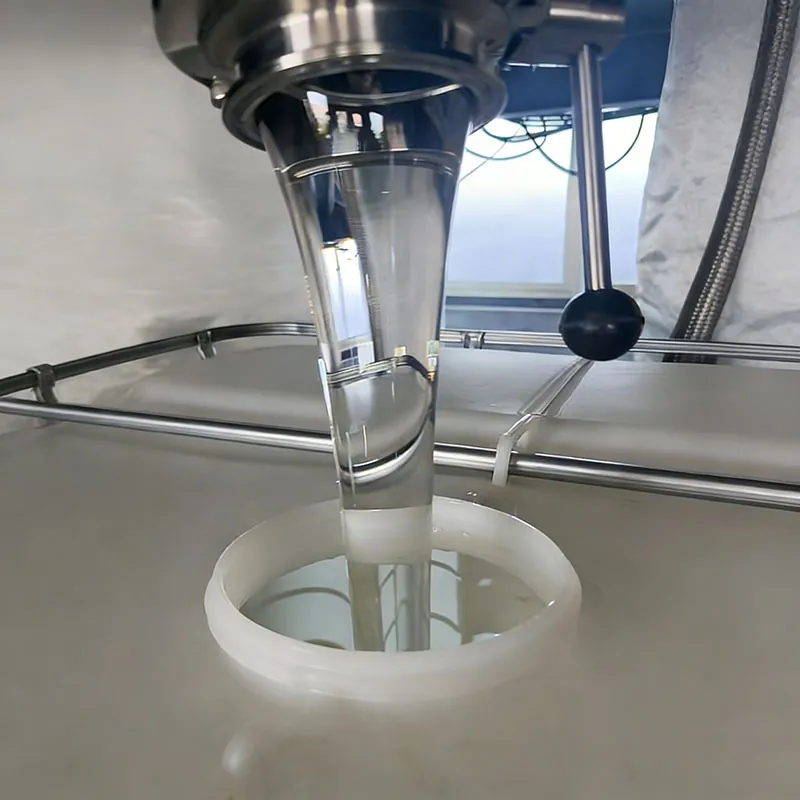
- Colorless to Pale Yellow Transparent Liquid
Overview
Manta A431 is a mono-amino silane with a reactive secondary amine group and three hydrolyzable methoxy groups. This dual reactivity lets it act as a molecular bridge, forming chemical bonds between inorganic substrates such as glass, metals and minerals and organic polymers.
Unlike primary amino silanes, the secondary amine structure gives enhanced flexibility, improved stability and reduced yellowing in final formulations. A431 is designed to improve the mechanical properties of composites and to enhance the bond strength and water resistance of resin coatings.
Compared with the primary amino silane Manta A111, A431 is the grade to evaluate for one-part polyurethane systems. A111 gels unreacted polyurethane prepolymers on direct addition, while the secondary amine of A431 allows chemical modification of NCO-functional prepolymers and end-capping in MS Polymer and SPUR systems.
Key Features
- Secondary amine plus three hydrolyzable methoxy groups
- Forms chemical bonds between inorganic substrates and organic polymers
- Enhanced flexibility, improved stability and reduced yellowing compared with primary amino silanes
- Improves the mechanical properties of composites
- Enhances bond strength and water resistance of resin coatings
- Autocatalytic hydrolysis without an acid catalyst
- Releases methanol on hydrolysis
Cross-Reference
Manta A431 can be considered as an alternative to Momentive Silquest A-1189 and Evonik Dynasylan 1189.
Trademarks are the property of their respective owners; no affiliation is implied.
Specifications
| Property | Typical Value |
|---|---|
| Appearance | Colorless to Pale Yellow Transparent Liquid |
| Density (ρ20°C, g/cm³) | 0.947 |
| Refractive Index ( n 25°C ) | 1.4246 |
| Purity (by GC,%) | 97 min |
Typical values from the current Technical Data Sheet.
Applications
- Adhesives and sealants: adhesion promoter and chemical modifier of NCO-functional prepolymers
- Silane-modified polymers: flexible adhesion promoter and end-capper in MS Polymer and SPUR systems
- Resin modification: additive in phenolic, furan and melamine-based resins, including foundry formulations
- Mineral fillers: surface treatment for fillers and pigments in mineral-reinforced polymers, improving dispersion and mechanical strength
- Paints and coatings: primer and formulation additive that enhances wet and dry adhesion on challenging substrates
- Fiberglass composites: sizing agent and finishing component for glass fiber and glass fabric
Formulation & Handling Guidelines
- Autocatalytic Hydrolysis: In the presence of ambient moisture, the methoxy groups hydrolyze to form reactive silanols, releasing methanol. Unlike many silanes, A431 is autocatalytic and does not require an acid catalyst. The typical pH of its hydrolysate is 10–11; however, adjusting to ~pH 4 can significantly improve bath stability.
- Solvent Incompatibility (CRITICAL): The secondary amine group reacts with ketones and esters. Strictly avoid using ketone or ester-based solvents for dilution or formulation.
- Atmospheric Sensitivity: The active amine groups can react with atmospheric carbon dioxide (CO2) to form carbamates or carbonates. Ensure containers are tightly sealed and purged with inert gas after dispensing.
Related applications: Adhesives & Sealants · Paints & Coatings · Composites & Fiberglass
Packaging & Storage
Supplied in 20 kg pail, 190 kg drum and 950 kg IBC.
Safety and Storage
Storage Conditions: Keep tightly closed in a cool, strictly dry, and well-ventilated area. Keep away from heat, sparks, and open flames.
Shelf Life: Minimum 12 months when stored at or below 25°C in the original, unopened containers.
Documents
- Technical Data Sheet · PDF Download TDS
- SDS and COA · on request Request Documents
Frequently Asked Questions
Does Manta A431 need an acid catalyst to hydrolyze?
No. A431 is autocatalytic and hydrolyzes in the presence of ambient moisture without an acid catalyst, releasing methanol. The typical pH of its hydrolysate is 10–11, and adjusting to ~pH 4 can significantly improve bath stability.
Which solvents must be avoided when diluting Manta A431?
Ketone and ester solvents. The secondary amine group reacts with ketones and esters, so they should not be used for dilution or formulation.
Why is Manta A431 preferred over Manta A111 for NCO-functional prepolymers?
Its secondary amine allows chemical modification of NCO-functional prepolymers and end-capping in MS Polymer and SPUR systems. The primary amine of A111 causes instant gelling when added directly to unreacted polyurethane prepolymers. The secondary amine structure also reduces yellowing in the final formulation.
Why should Manta A431 containers be purged after opening?
The active amine groups can react with atmospheric carbon dioxide to form carbamates or carbonates. Keep containers tightly sealed and purge them with inert gas after dispensing.
Related Products
A431 is one step in the sealant and adhesive formulation chain. One inquiry can cover the other raw materials in your formulation, with samples, technical documents, quotation and shipment handled together.
Looking for a different purity, functional group, or a structure not listed here? Contact our technical team.
Talk to our technical team
Tell us your application, target properties and estimated quantity. We will suggest grades and arrange documents or samples.