
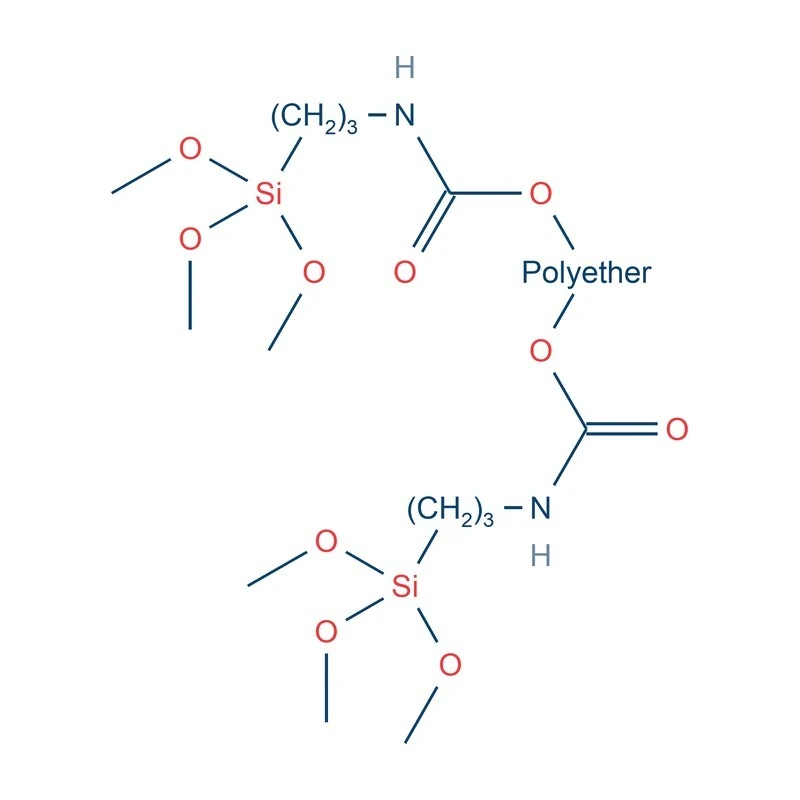
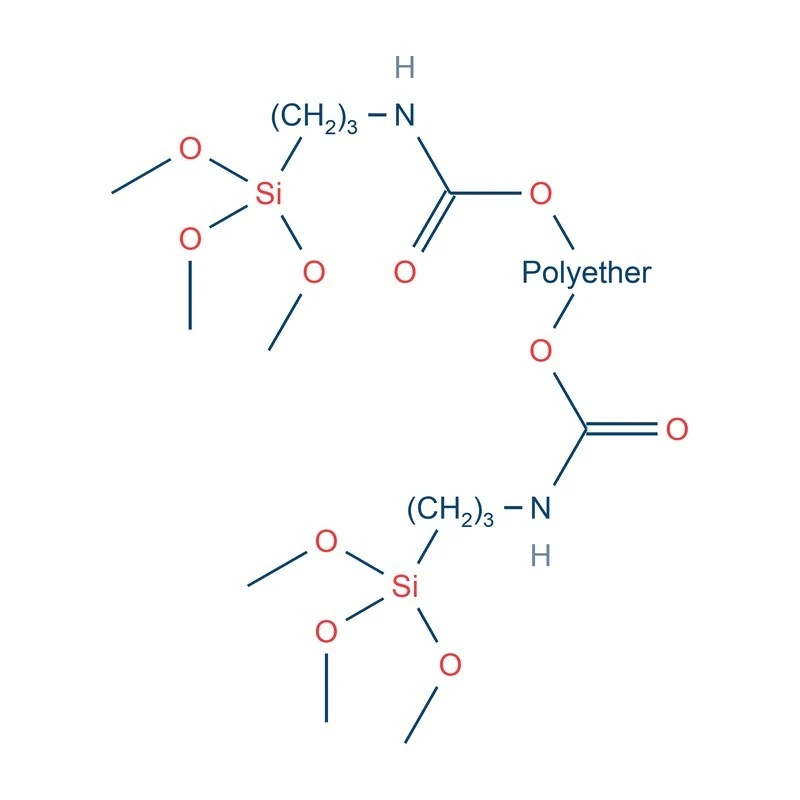
Trimethoxysilyl STPE
Low Medium Modulus MS Polymer MS3303I
Manta MS3303I is an alkoxysilane-terminated polyether (STPE) with high activity and low-to-medium modulus, used as a binder for moisture-curing elastic sealants and adhesives that combine high flexibility with fast curing. Typical uses are expansion joints, curtain-wall sealants and elastic bonding in transportation. It is compatible with organotin and tin-free catalysts.
- Grade
- MS3303I
- Chemical Name
- Silane-terminated polyether
- Form
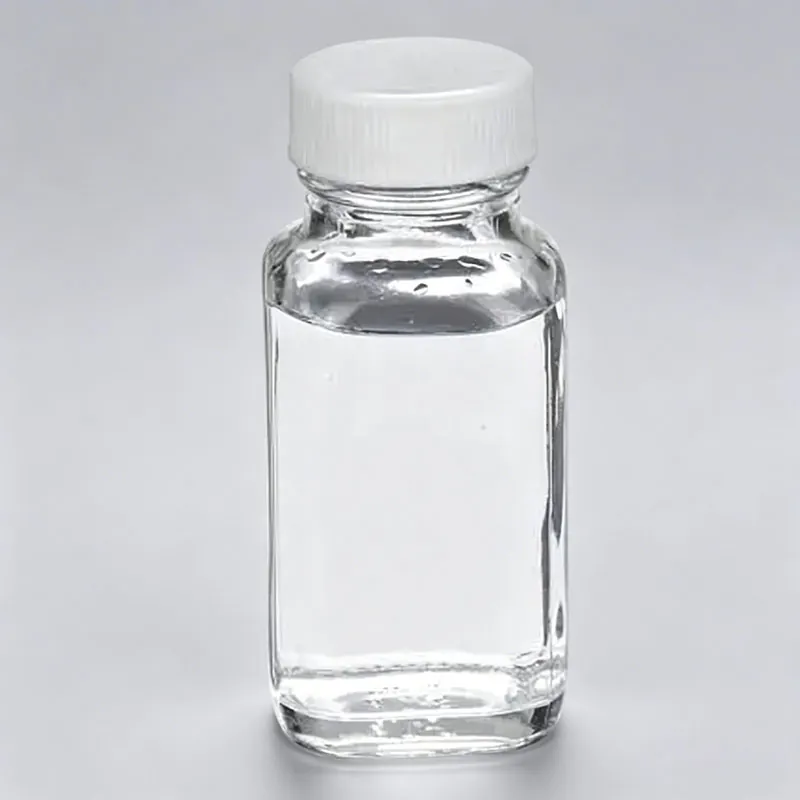
- Transparent viscous liquid
Overview
Manta MS3303I is an alkoxysilane-terminated polyether (STPE, also known as silane-modified polymer, SMP) with a polypropylene oxide (PPO) backbone. It is designed as a binder for moisture-curing elastic sealants and adhesives that require high flexibility together with fast curing.
MS3303I is isocyanate-free, solvent-free and suitable for low-VOC formulations. It cures without bubbles and with low odor, gives a smooth surface and adheres to many substrates without primer. Typical fields of use are construction and transportation; renewable energy applications are subject to testing.
Compared with Manta MS3303M, which also has high activity, MS3303I has a low-to-medium rather than medium modulus and a viscosity of 35,000 – 45,000 mPa·s at 25 °C against 40,000 – 50,000 mPa·s at 25 °C. The lower modulus suits joints with high movement, with good stress relief and elastic recovery.
Key Features
- High activity with low-to-medium modulus for joints with high movement
- Good stress relief and elastic recovery
- Fast tack-free time and through-cure
- Compatible with organotin and tin-free (amine) catalysts
- High transparency with good resistance to UV aging and yellowing
- Good bond strength and tensile elasticity
- Good resistance to water and chemical solvents
- Good shelf-life stability in formulated products
- Solvent-free and low odor; can be blended with other Manta polymers
Specifications
| Property | Typical Value |
|---|---|
| Appearance | Transparent viscous liquid |
| Flash Point | ≥ 100 °C |
| Viscosity (25 °C) | 35,000 – 45,000 mPa·s |
| Activity | High |
| Modulus | Low-medium |
Typical values from the current Technical Data Sheet.
Typical Performance of a Reference Sample
| MS3303I Test Item | Standard | Result |
| Appearance | Colorless, transparent liquid | Colorless, transparent liquid |
| Viscosity (25 °C), mPa·s | 35,000 – 45,000 | 39,170 |
| pH Value | 6.0 – 9.0 | 7.0 |
| Tensile Strength, MPa | ≥ 0.5 | 0.58 |
| Elongation at Break, % | ≥ 100 | 117.6 |
| Hardness, Shore A | ≥ 25 | 29 |
Applications
- Construction and infrastructure: low-modulus expansion joints, curtain-wall sealants and weather-resistant building seals
- Transportation: elastic sealing and bonding of vehicle bodies, rail vehicles and marine interiors where vibration damping is required
- New energy and electronics: can be evaluated for solar module bonding and as a transparent potting compound for electronic components; suitability must be verified for the specific application
- Interior: low-emission DIY sealants and decoration adhesives for indoor use
- Coatings: flexible reactive binder for protective coatings on various substrates
Processing
- Moisture sensitivity: the alkoxysilane end groups of MS3303I hydrolyze and crosslink on contact with water or atmospheric moisture. Store the polymer in tightly sealed containers and process it under moisture-controlled conditions to avoid premature gelation.
- Fillers: MS3303I can be compounded with common fillers such as precipitated calcium carbonate (PCC), ground calcium carbonate (GCC), fumed silica, quartz flour, diatomaceous earth and aluminum hydroxide. The polymer content can be adjusted to the required properties.
- Drying: dry all fillers thoroughly before compounding. Vinyltrimethoxysilane (VTMO) is recommended as a water scavenger.
- Plasticizers: suitable plasticizers include phthalates (e.g., DINP, DIDP), DOTP and low-molecular-weight polyethers (PPG).
- Additives: adhesion promoters, antioxidants, fungicides and UV/light stabilizers can be added to adjust the end-use properties.
Related applications: Adhesives & Sealants
Related reading: Difference Between MS, STPE, SMP, STPU and SPU
Packaging & Storage
50 kg plastic drum with aluminum-foil liner bag;
200 kg drum with aluminum-foil liner bag;
1,000 kg IBC (tote);
Other pack sizes available on request.
Safety and Storage
Store in the tightly closed original container in a cool, dry place, protected from moisture and direct sunlight. Shelf life: 12 months from the date of production when stored as recommended. The product is classified as non-hazardous. Refer to the current Safety Data Sheet (SDS) for safety, handling and transport information.
Note: The values in this data sheet are typical values and are not intended for use in preparing specifications. Users should test the product to determine its suitability for their specific application.
Documents
- Technical Data Sheet · PDF Download TDS
- SDS and COA · on request Request Documents
Frequently Asked Questions
What joint types is MS3303I designed for?
MS3303I is suited to joints with high movement that need stress relief and elastic recovery: low-modulus expansion joints, curtain-wall sealants and weather-resistant building seals, plus elastic sealing and bonding of vehicle bodies, rail vehicles and marine interiors where vibration damping is required.
Can MS3303I be formulated without organotin catalysts?
Yes. MS3303I is compatible with both organotin and tin-free (amine) catalysts, so the sealant can be formulated without organotin catalysts. Confirm the cure profile in your own formulation.
Is MS3303I suitable for transparent products?
MS3303I has high transparency with good resistance to UV aging and yellowing. It can be evaluated for solar module bonding and as a transparent potting compound for electronic components, with suitability verified for the specific application.
Related Products
MS3303I is one step in the sealant and adhesive formulation chain. One inquiry can cover the other raw materials in your formulation, with samples, technical documents, quotation and shipment handled together.
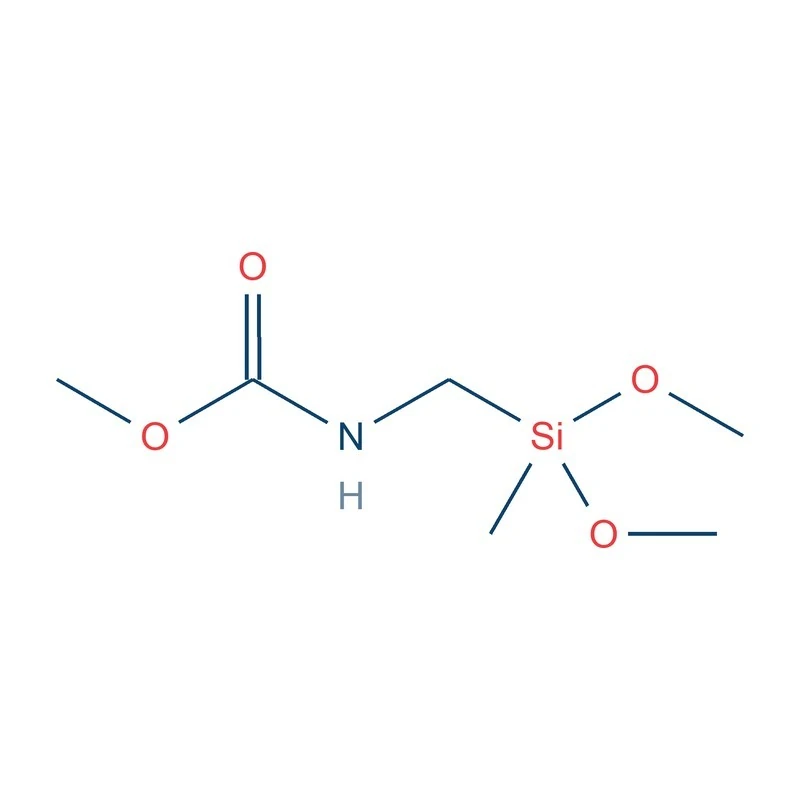
- End Cappers
- MS, STPE & SPUR Polymers
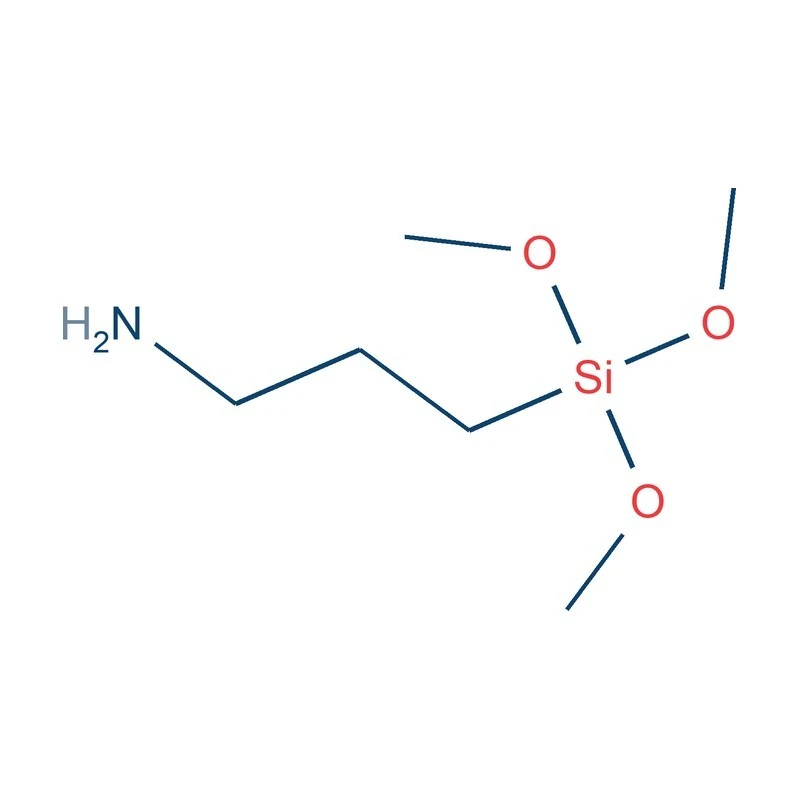
- Adhesion Promoters
- Water Scavengers
- Crosslinkers
- Catalysts
Need a finished adhesive or sealant rather than the polymer? See our custom MS adhesives and sealants service.
Talk to our technical team
Tell us your application, target properties and estimated quantity. We will suggest grades and arrange documents or samples.