
Catalysts
Chelated Organotin Catalyst | Manta CAT-CTHMTS
Manta CAT-CTHMTS is a chelated organotin catalyst for silane-modified polymer (MS and STP) sealants, one-component RTV silicones and two-component polyurethane coatings. It cures faster than dibutyltin dilaurate and dibutyltin diacetate, without the pungent odor of acetate-based tins, and resists reversion in sealed high-temperature service.
- Grade
- CAT-CTHMTS
- Chemical Name
- Chelated Organotin Complex
- Form
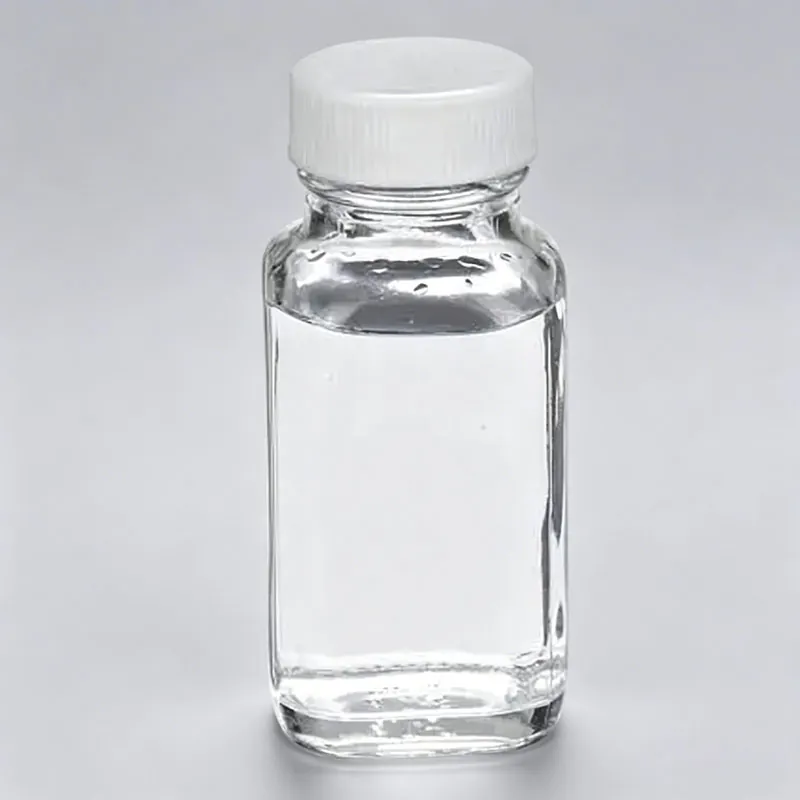
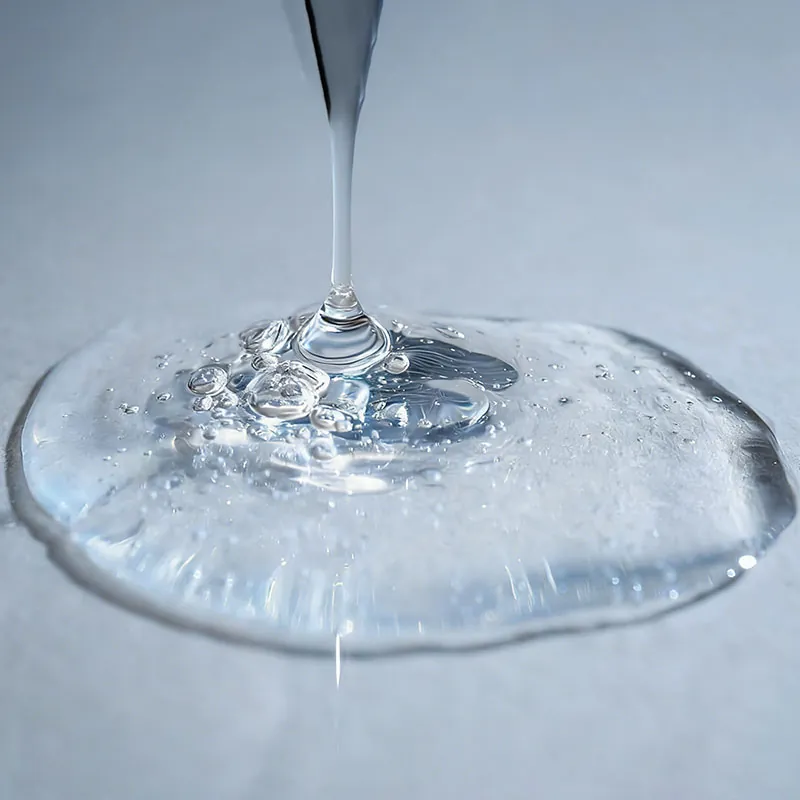
- Yellowish Oily Liquid
Overview
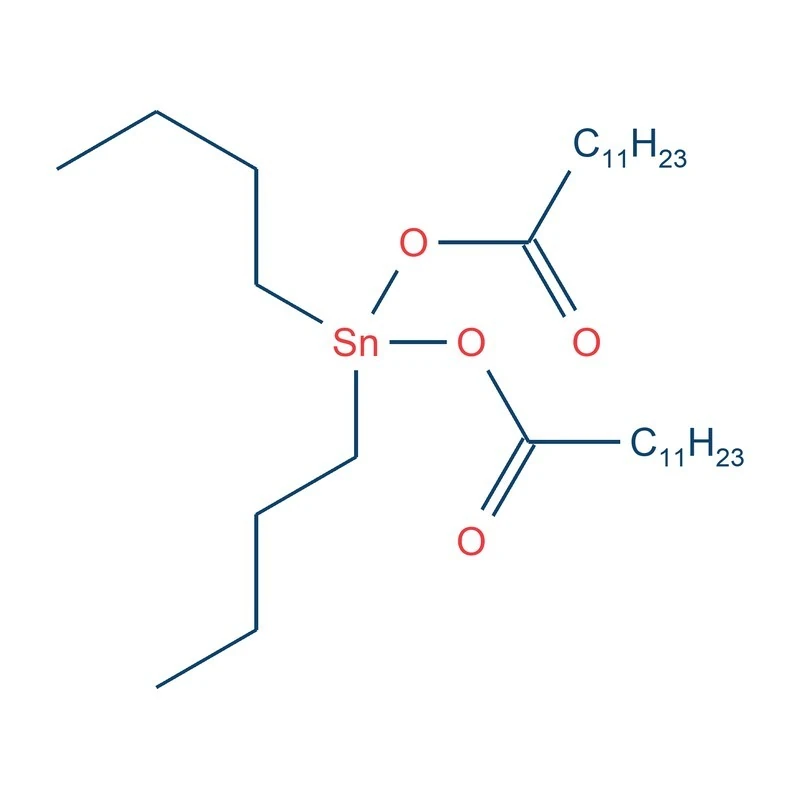
Manta CAT-CTHMTS is a chelated organotin catalyst designed for silane-modified polymers and RTV silicone systems. Its catalytic speed exceeds that of dibutyltin dilaurate (Manta CAT-DBTDL) and dibutyltin diacetate (Manta CAT-DBTA), and it avoids the pungent odor associated with acetate-based tins.
It also provides thermal stability, reducing reversion (softening) of the cured rubber under high-temperature sealed conditions. High activity allows lower dosage levels while keeping rapid reaction kinetics.
As an organotin, CAT-CTHMTS may be regulated depending on the market and end use. In the EU, REACH Annex XVII entry 20 restricts certain organotin compounds in mixtures and articles. It is intended for industrial formulation; regulatory status is confirmed at inquiry.
Key Features
- Shorter tack-free and deep-cure times than DBTDL
- Low odor compared with tin diacetate
- Anti-reversion: cured products remain stable when heated in a sealed environment
- Consistent catalytic activity during long-term storage of the finished sealant
- High activity allows lower dosage levels
Specifications
| Property | Typical Value |
|---|---|
| Appearance | Yellowish Oily Liquid |
| Tin Content (%) | 27.0% – 28.0% |
| Viscosity (30°C, mPa·s) | 10 – 50 |
| Density (30°C, g/cm³) | 1.21-1.23 |
| Melting Point | 15 – 30 °C |
Typical values from the current Technical Data Sheet.
Applications
- SMP and STP sealants: one-component adhesives and sealants for construction and automotive assembly that need rapid green strength
- RTV-1 silicone sealants: fast, reliable cure without compromising the shelf stability of the uncured sealant
- 2K polyurethane coatings: automotive refinish paints, high-gloss industrial topcoats and protective coatings, with faster dust-free and tape-free times
- Sealed high-temperature applications: gaskets, engine sealants and industrial bonding exposed to heat in a confined space
Related applications: Adhesives & Sealants · Paints & Coatings · Rubber & Tires
Packaging & Storage
Available in 25kg steel-plastic composite pails or 200kg drums.
Safety and Storage
Moisture Sensitivity (CRITICAL): Manta CAT-CTHMTS reacts aggressively with moisture. Avoid all contact with water. Containers must be tightly sealed and ideally purged with dry nitrogen after each use.
Storage: Store in a cool, dry warehouse. If the product solidifies during winter (due to its 15-30°C melting point), it should be gently warmed and homogenized before use.
Safety: Avoid contact with skin and mucous membranes. In case of contact, flush immediately with large amounts of water.
Documents
- Technical Data Sheet · PDF Download TDS
- SDS and COA · on request Request Documents
Frequently Asked Questions
How does Manta CAT-CTHMTS compare with DBTDL in MS polymer sealants?
CAT-CTHMTS gives shorter tack-free and deep-cure times than dibutyltin dilaurate, and its high activity allows lower dosage levels. It also keeps catalytic activity during long-term storage of the finished sealant. Confirm the cure profile in your own formulation.
What is reversion, and how does Manta CAT-CTHMTS address it?
Reversion is the softening of cured rubber under heat in a sealed space. CAT-CTHMTS is designed to help cured products resist reversion when heated in a sealed environment, which suits gaskets and engine sealants.
How should Manta CAT-CTHMTS be handled and stored?
It reacts with moisture, so keep containers tightly sealed and ideally purge them with dry nitrogen after each use. Its melting range is 15 – 30 °C, so if it solidifies in winter, warm it gently and homogenize it before use.
Is Manta CAT-CTHMTS subject to organotin regulations?
It is an organotin, so rules can apply depending on the market and end use. In the EU, REACH Annex XVII entry 20 restricts certain organotin compounds in mixtures and articles. Contact us to confirm the status for your application.
Related Products
CAT-CTHMTS is one step in the sealant and adhesive formulation chain. One inquiry can cover the other raw materials in your formulation, with samples, technical documents, quotation and shipment handled together.
Looking for a different purity, functional group, or a structure not listed here? Contact our technical team.
Talk to our technical team
Tell us your application, target properties and estimated quantity. We will suggest grades and arrange documents or samples.