
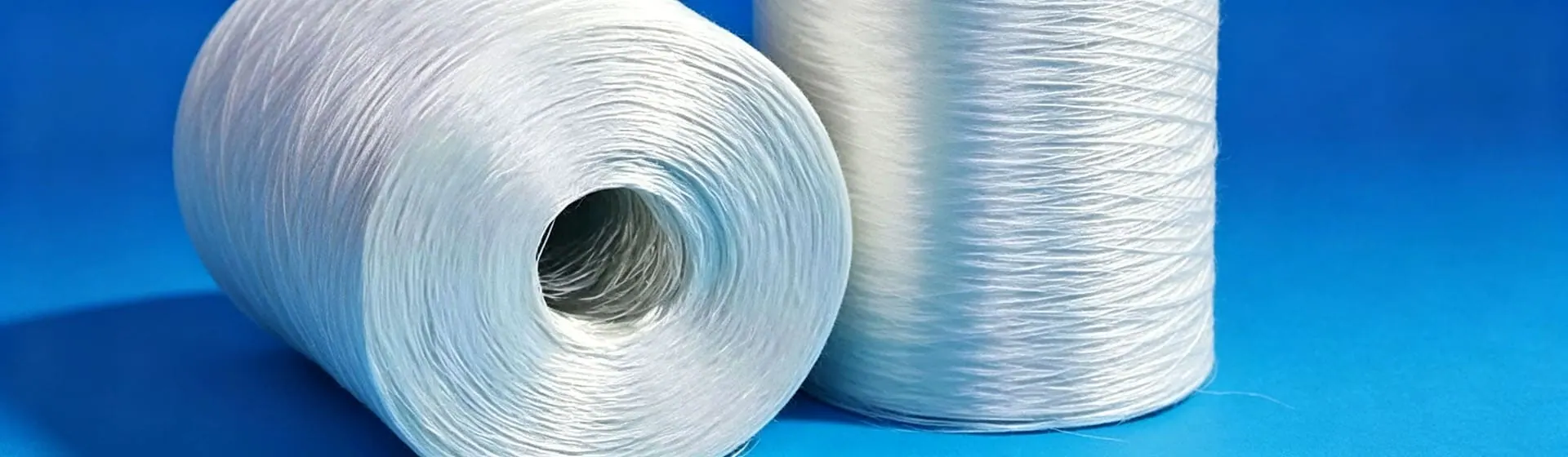
Glass fiber needs a silane at the interface to bond with an organic resin. The silane in the sizing determines which resins the fiber will work with, and it protects the interface from moisture.
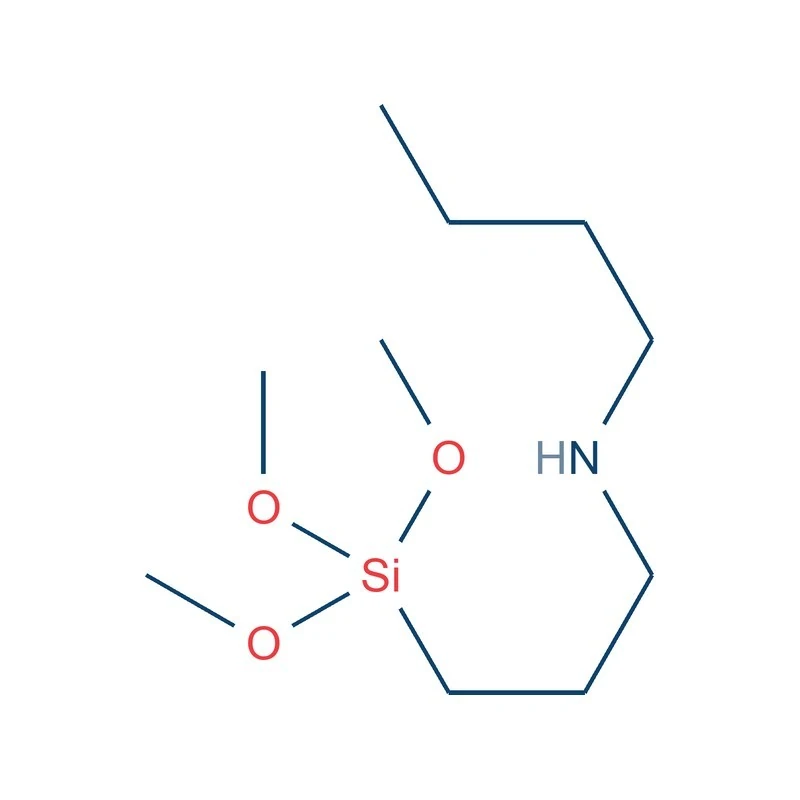
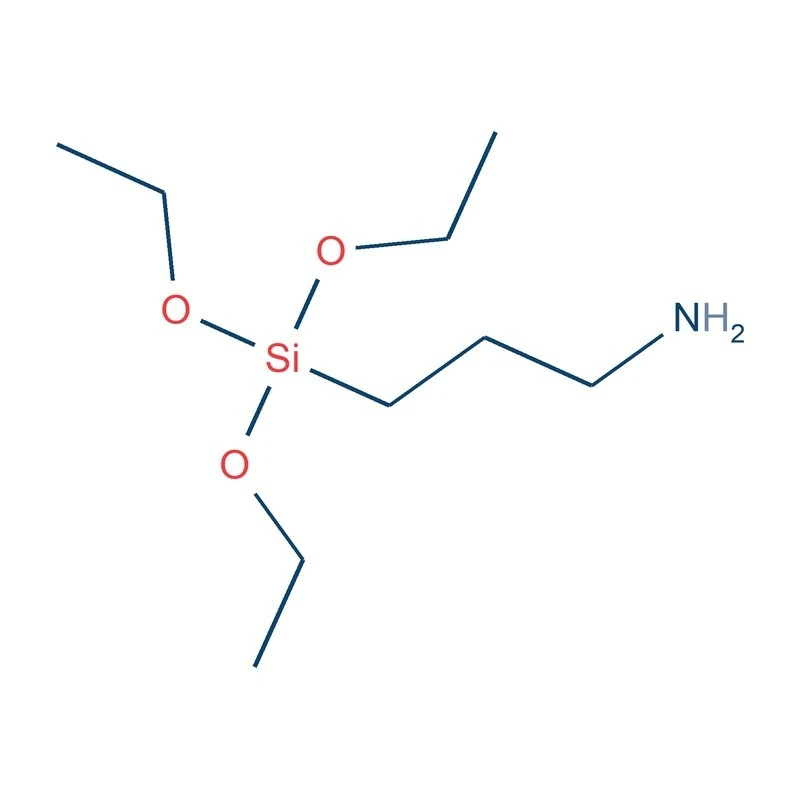
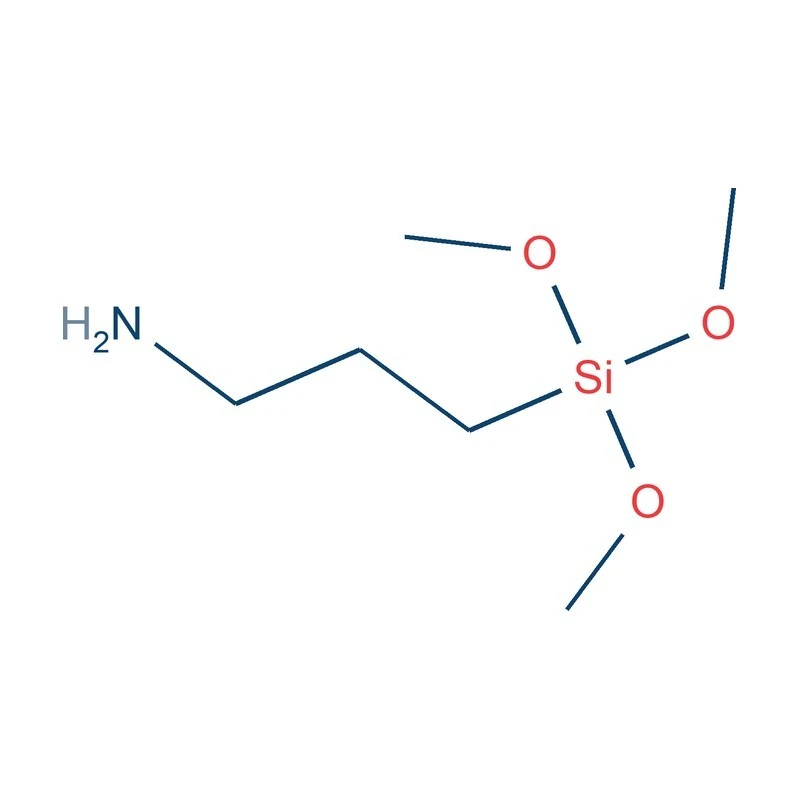
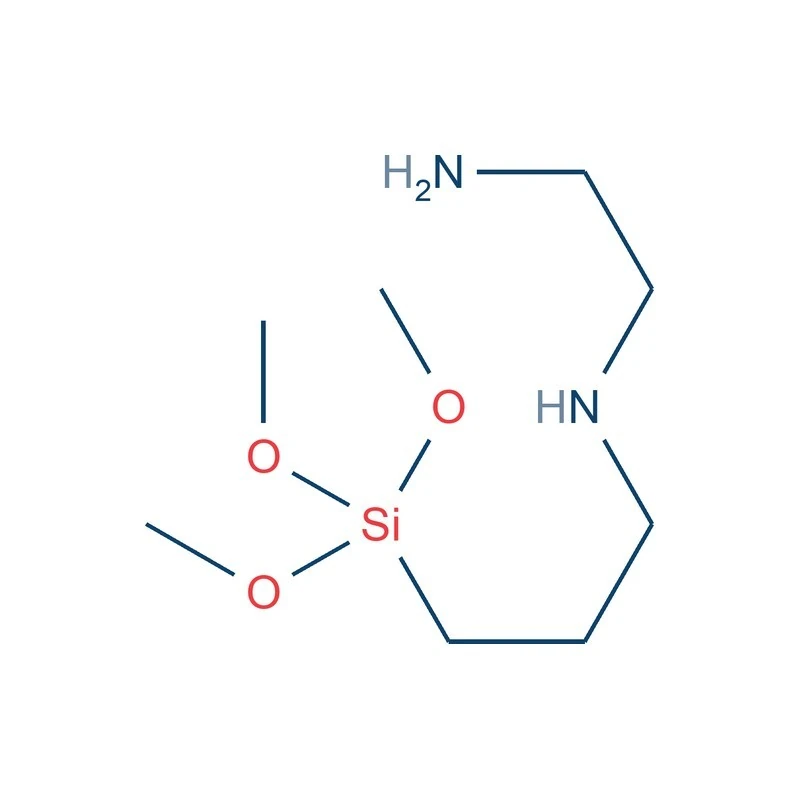
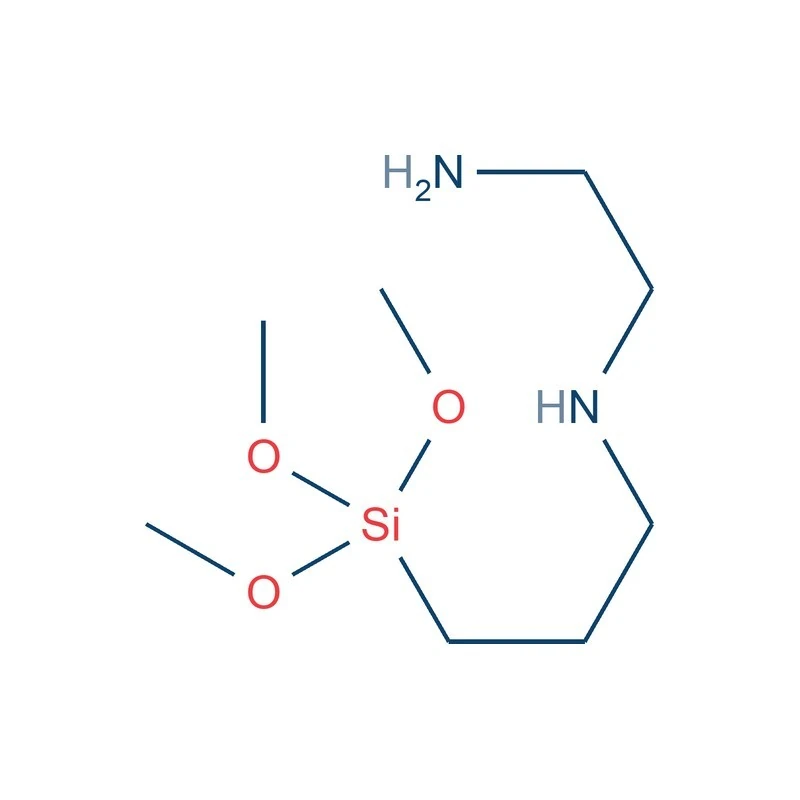
- Amino silanes such as Manta A110 and Manta A112 are used as sizing and finishing agents for glass fiber and glass fabric. Manta A111 modifies phenolic, melamine and epoxy resins.
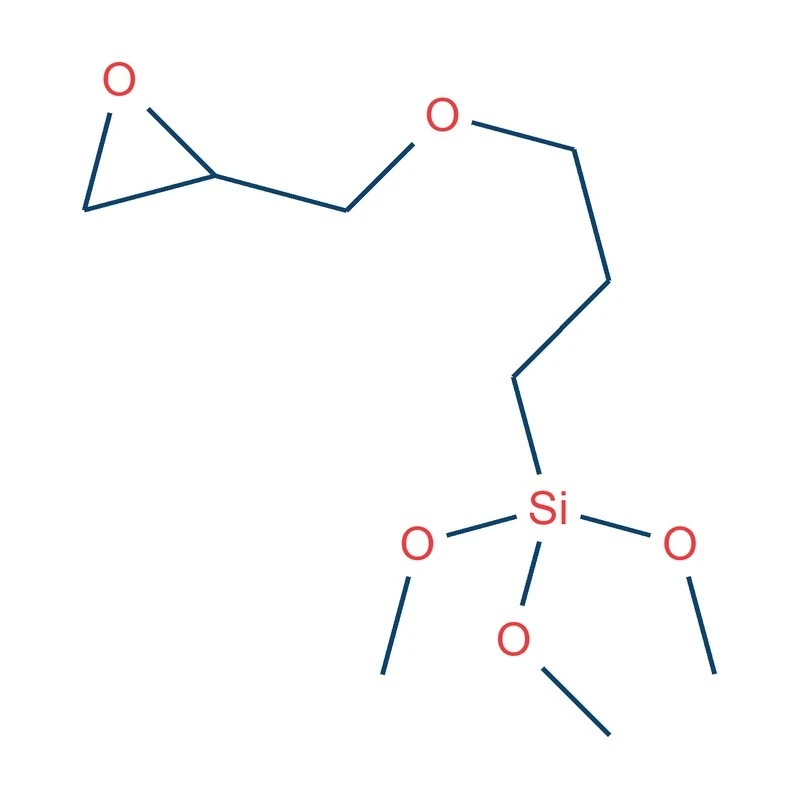
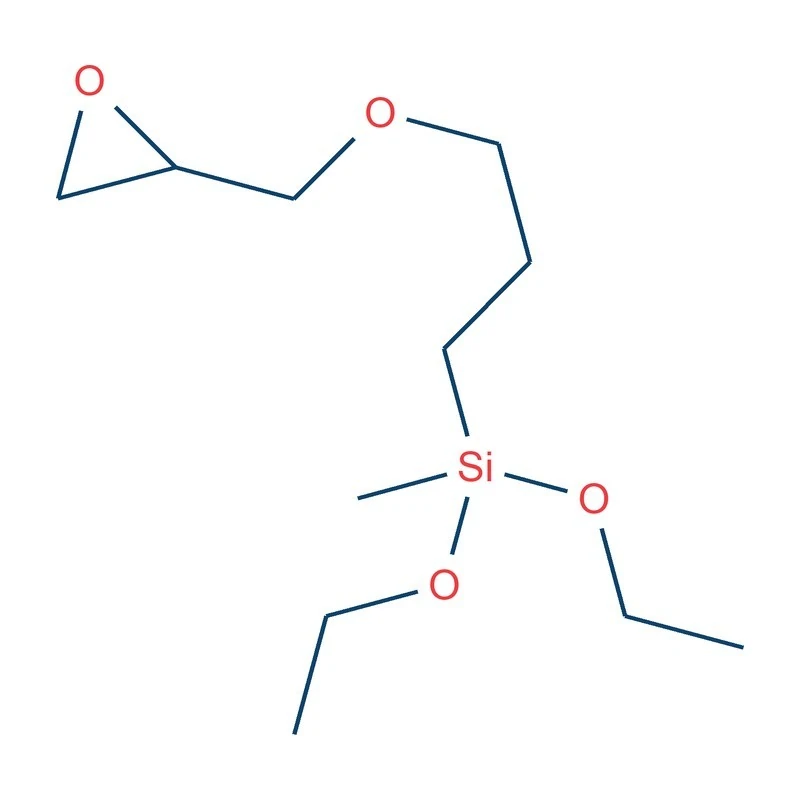
- Epoxy silanes such as Manta E560 are used in sizing and for the surface treatment of electronic-grade fiberglass cloth in copper clad laminates.
- Vinyl silanes such as Manta V31 act as coupling agents for unsaturated polyester and acrylic resin systems.
- Methyl silanes such as Manta 931 serve as a sizing and binder additive for glass fiber-reinforced laminates.
Match the organofunctional group to the resin, then confirm performance on the laminate after hot-water or humidity exposure.
Recommended Grades
Related Product Lines
Frequently Asked Questions
Why does glass fiber need a silane?
Glass fiber needs a silane at the interface to bond with an organic resin. The silane in the sizing determines which resins the fiber will work with, and it protects the interface from moisture.
How do I choose a silane for my resin?
Match the organofunctional group to the resin, then confirm performance on the laminate after hot-water or humidity exposure. Vinyl silanes such as Manta V31, for example, act as coupling agents for unsaturated polyester and acrylic resin systems.
Talk to our technical team
Tell us your application, target properties and estimated quantity. We will suggest grades and arrange documents or samples.