
Crosslinkers & Modifiers
Methyltrimethoxysilane (MTMS) | Manta 931
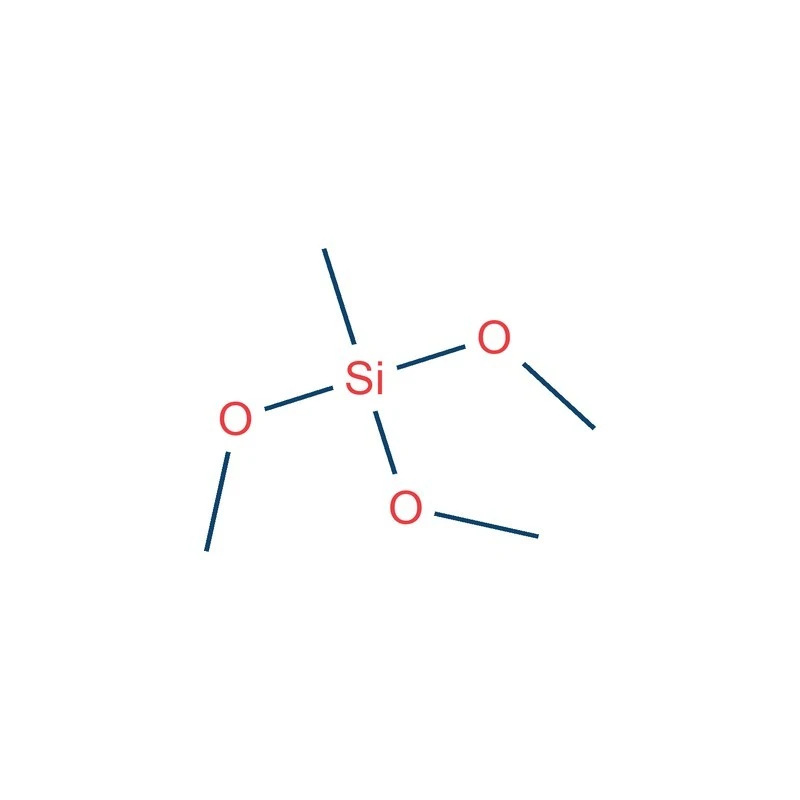
Manta 931 is methyltrimethoxysilane (MTMS, CAS 1185-55-3), the primary crosslinking agent for neutral-cure RTV silicone sealants. It also serves as a hydrophobic surface modifier for inorganic fillers and porous substrates, and as a monomeric building block for silicone resins and silica aerogels. An electronic grade with higher purity is available.
- Grade
- 931
- Chemical Name
- Methyltrimethoxysilane
- CAS No.
- 1185-55-3
- EINECS
- 214-685-0
- Formula
- C4H12O3Si
- Form
- Colorless Transparent Liquid
Overview
Manta 931 is an alkyl-alkoxy organosilane with a non-polar methyl group and three reactive methoxy groups. In neutral-cure (alkoxy-type) RTV silicone sealants, the methoxy groups hydrolyze to reactive silanols that drive the condensation cure and form a dense 3D siloxane network, giving good shelf life and consistent curing profiles.
Beyond sealants, 931 is a monomer for silicone resins and for the sol-gel synthesis of hydrophobic silica aerogels. As a surface modifier, its tightly bound methyl group makes fillers and treated substrates water-repellent without altering their appearance. It is miscible with common organic solvents, including alcohols, aliphatic hydrocarbons and ketones.
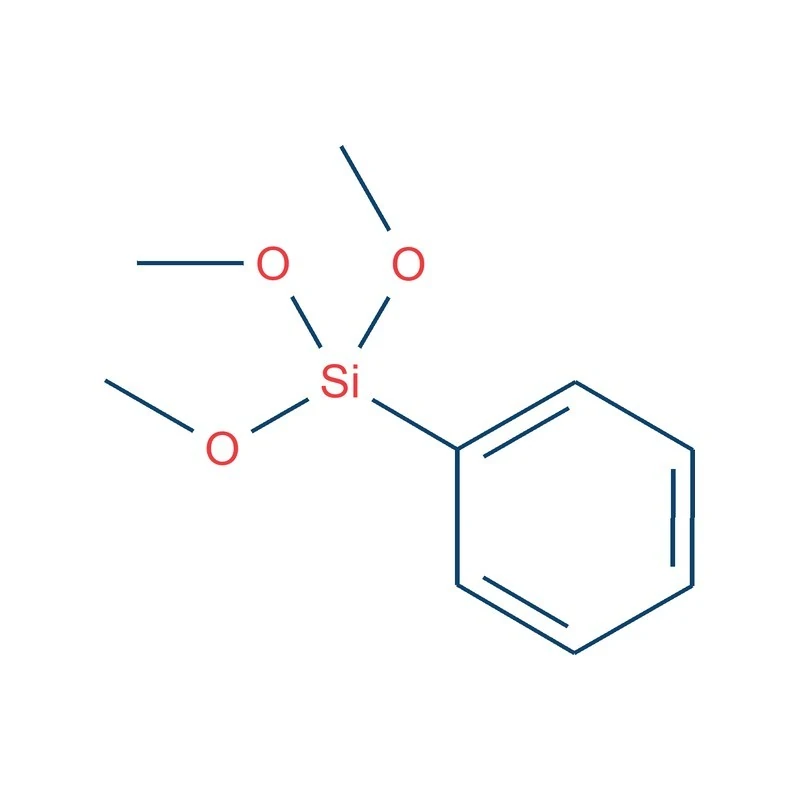
Where thermal stability or refractive index control matters more than methyl-group hydrophobicity, compare the phenyl-functional trimethoxysilane Manta P31. Both carry three methoxy groups and release methanol on hydrolysis; the difference is the organic group on silicon.
Key Features
- Three methoxy groups that hydrolyze to reactive silanols
- Primary crosslinker for alkoxy-type neutral-cure RTV sealants
- Dense 3D siloxane network on condensation cure
- Water repellency without altering substrate appearance
- Electronic grade with ultra-low ionic impurities
- Miscible with alcohols, aliphatic hydrocarbons and ketones
Cross-Reference
Manta 931 can be considered as an alternative to Momentive Silquest A-1630, Dow Z-6070, Evonik Dynasylan MTMS, Wacker M1-Trimethoxy and Shin-Etsu KBM-13.
Trademarks are the property of their respective owners; no affiliation is implied.
Specifications
| Property | Typical Value |
|---|---|
| Appearance | Colorless Transparent Liquid |
| Density (ρ20°C, g/cm³) | 0.9500±0.0050 |
| Refractive Index (n25/D) | 1.3695±0.0050 |
| Purity (by GC, %) | 99 min; 99.5 min (Electronic Grade) |
Typical values from the current Technical Data Sheet.
Applications
- RTV silicone sealants and adhesives: primary crosslinking agent for neutral-cure (alkoxy-type) room temperature vulcanizing silicone sealants, providing good shelf life and consistent curing profiles
- Filler and pigment modification: surface treatment of silica, talc, mica, ATH and pigments, making these powders hydrophobic and improving their dispersion and compatibility in organic polymer matrices
- Silicone resin synthesis: monomeric building block in the manufacture of organic silicone resins
- Water repellents: applied directly or in solution to make porous materials such as masonry, glass and cardboard water-repellent
- Fiberglass and composites: sizing and binder additive for glass fiber-reinforced plastic (FRP) laminates, enhancing the interfacial bond between the glass fibers and the polymer matrix
- Aerogel synthesis: core monomer in the sol-gel synthesis of hydrophobic silica aerogels for lightweight thermal insulation materials
Formulation & Handling Guidelines
Hydrolysis Behavior: Manta 931 is practically insoluble in neutral water and reacts very slowly. To achieve rapid hydrolysis and the formation of active silanols, the addition of a hydrolytic catalyst (such as inorganic/organic acids, ammonia, amines, or organotitanates/tin) is strictly required.
Pre-treating the substrate with trace moisture and a catalyst may be necessary for optimal surface modification.
Related applications: Adhesives & Sealants · Composites & Fiberglass · Plastics & Masterbatches
Packaging & Storage
Supplied in 20 kg pail, 180 kg drum and 900 kg IBC.
Safety and Storage
Keep away from heat and open flame. When stored at or below 25 °C in the original unopened containers, this product has a usable life of 24 months from the date of production.
Documents
- Technical Data Sheet · PDF Download TDS
- SDS and COA · on request Request Documents
Frequently Asked Questions
Does Manta 931 hydrolyze on its own in water?
Only very slowly. Manta 931 is practically insoluble in neutral water. Rapid hydrolysis to active silanols requires a hydrolytic catalyst such as inorganic or organic acids, ammonia, amines, or organotitanates or tin compounds.
What is the difference between standard and electronic grade Manta 931?
Purity by GC (%) is specified as 99 min; 99.5 min (Electronic Grade). The electronic grade has ultra-low ionic impurities and is intended for encapsulation and potting of sensitive electronic and photovoltaic components.
Why is MTMS used as the crosslinker in neutral-cure RTV sealants?
Its three methoxy groups hydrolyze to reactive silanols that drive the condensation-cure mechanism and form a dense 3D siloxane network. In alkoxy-type neutral-cure RTV sealants this gives good shelf life and consistent curing profiles.
Can Manta 931 hydrophobize mineral fillers, and is any pretreatment needed?
Yes. It surface-treats silica, talc, mica, ATH and pigments, making them hydrophobic and improving their dispersion and compatibility in organic polymer matrices. For optimal surface modification, pretreating the substrate with trace moisture and a catalyst may be necessary.
Related Products
931 is one step in the sealant and adhesive formulation chain. One inquiry can cover the other raw materials in your formulation, with samples, technical documents, quotation and shipment handled together.
Looking for a different purity, functional group, or a structure not listed here? Contact our technical team.
Talk to our technical team
Tell us your application, target properties and estimated quantity. We will suggest grades and arrange documents or samples.