
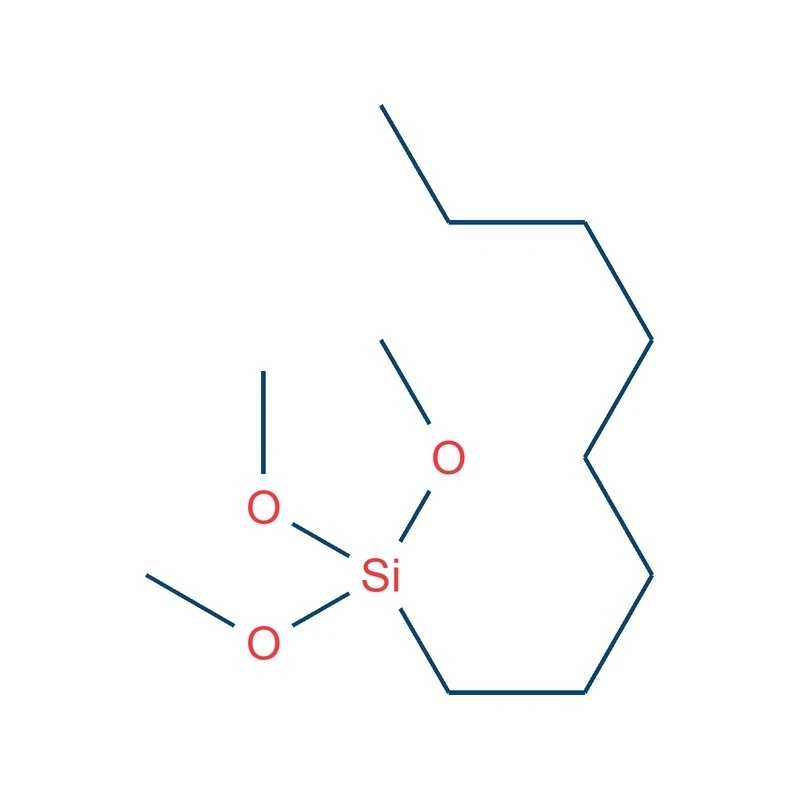

Water damages concrete in several ways. It carries chlorides to the rebar, freezes in capillaries and moves salts to the surface as efflorescence. Penetrating silane and siloxane treatments reduce water uptake while keeping the substrate open to water vapor.
Four forms in common use
- Neat alkyl silanes such as Manta LO320 and Manta L320 are low-viscosity actives that penetrate capillary pores.
- Silane pastes and creams such as Manta LO320E and Manta WS120 stay in place on vertical and overhead surfaces and extend contact time.
- Water-based emulsions such as Manta WS101 and Manta WS100 are used in water-based impregnating agents.
- Siliconates such as Manta MSES and Manta WS114 are economical options for suitable mineral substrates.
Match the form to the porosity and alkalinity of the substrate and to the application method. The Water Repellent Selection Guide compares the options. Always test on the actual substrate before full application.
Recommended Grades
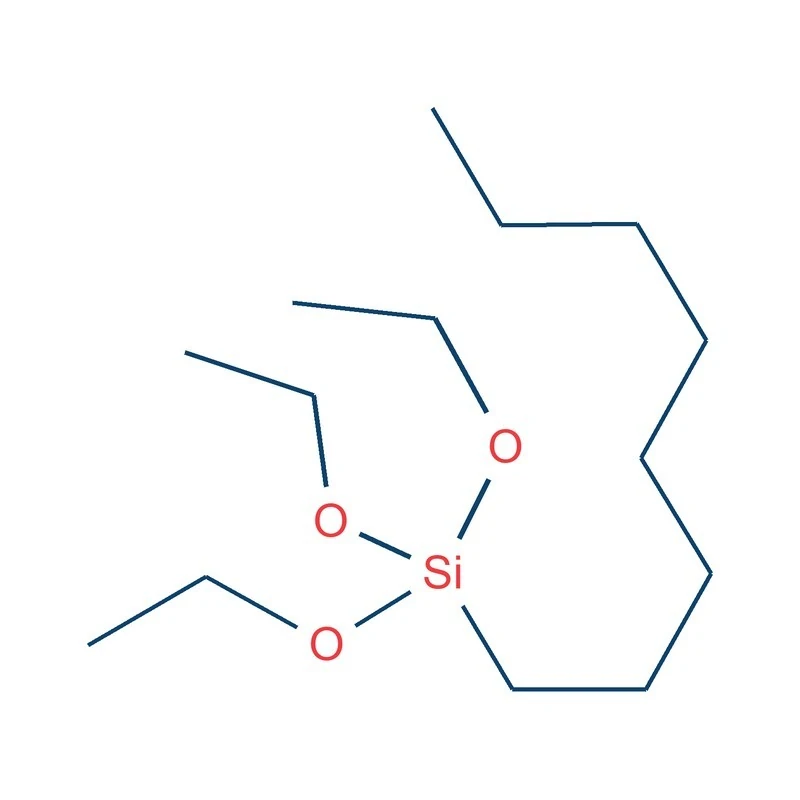
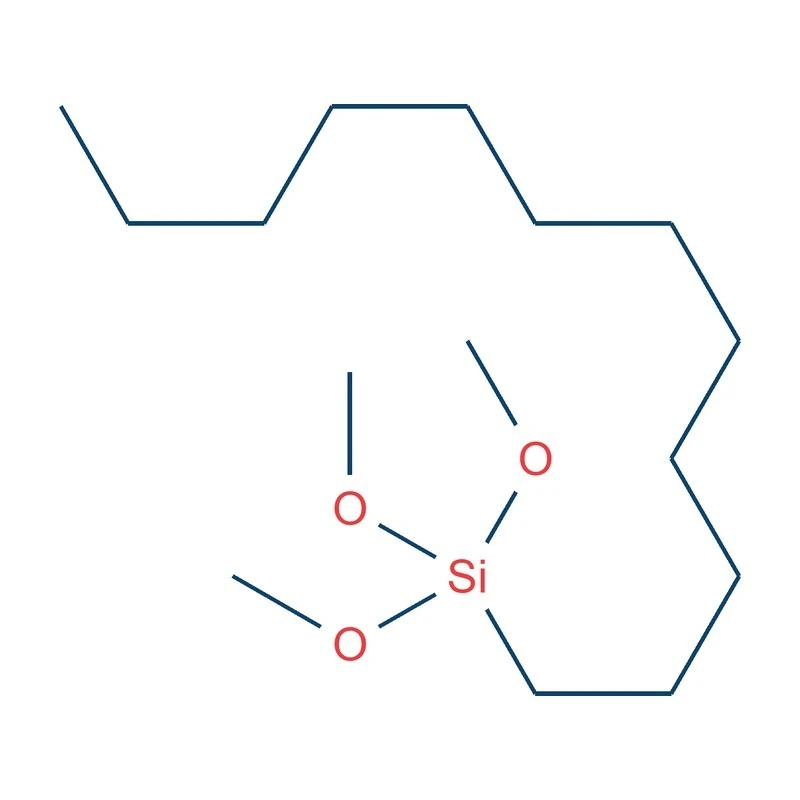
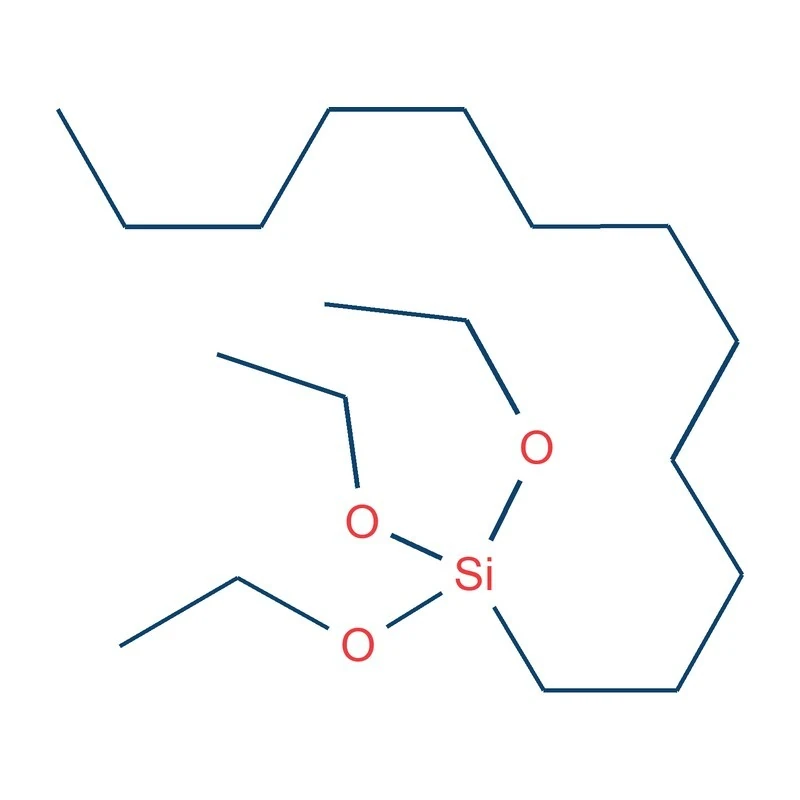
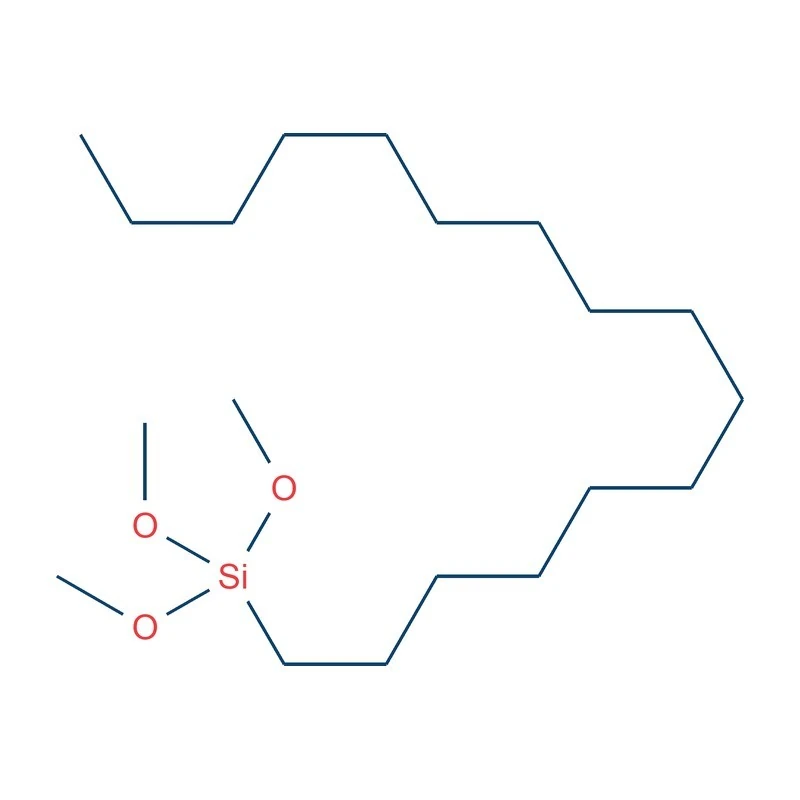
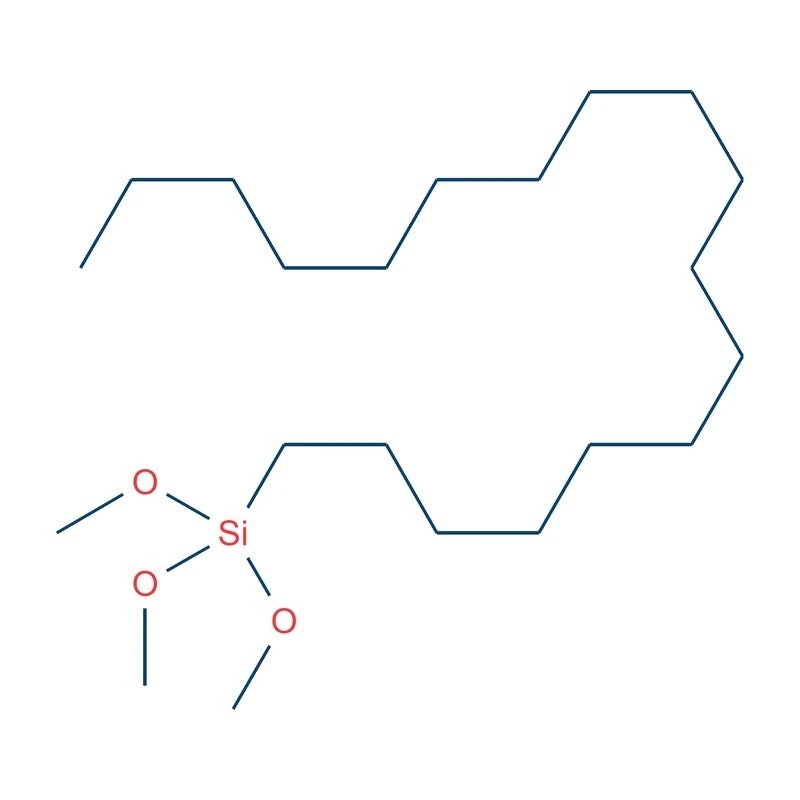
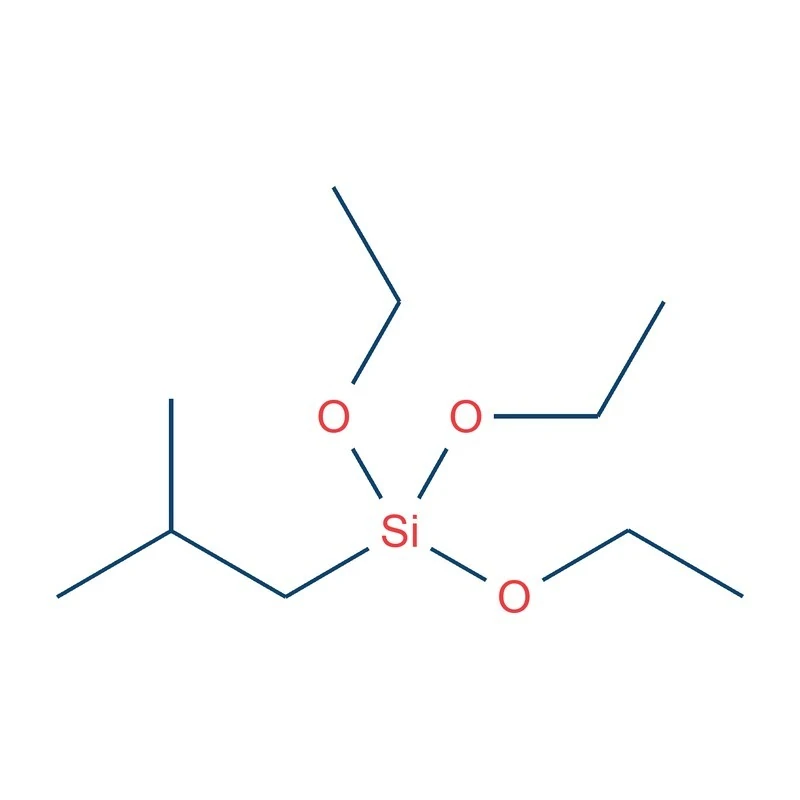
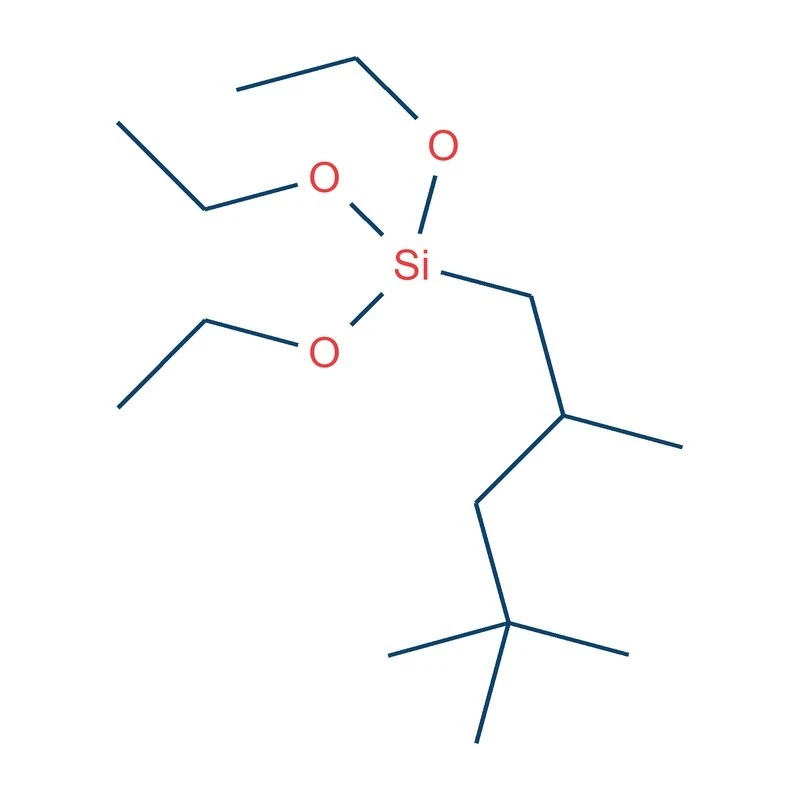
Related Product Lines
Frequently Asked Questions
How do water repellents protect concrete?
Water carries chlorides to the rebar, freezes in capillaries and moves salts to the surface as efflorescence. Penetrating silane and siloxane treatments reduce water uptake while keeping the substrate open to water vapor.
What suits vertical and overhead surfaces?
Silane pastes and creams such as Manta LO320E and Manta WS120 stay in place on vertical and overhead surfaces and extend contact time.
How do I match the product to the substrate?
Match the form to the porosity and alkalinity of the substrate and to the application method. Always test on the actual substrate before full application.
Talk to our technical team
Tell us your application, target properties and estimated quantity. We will suggest grades and arrange documents or samples.