
Silicone Emulsions & Fluids
Deep-Penetrating Silane Cream (JT/T 991) | Manta WS120
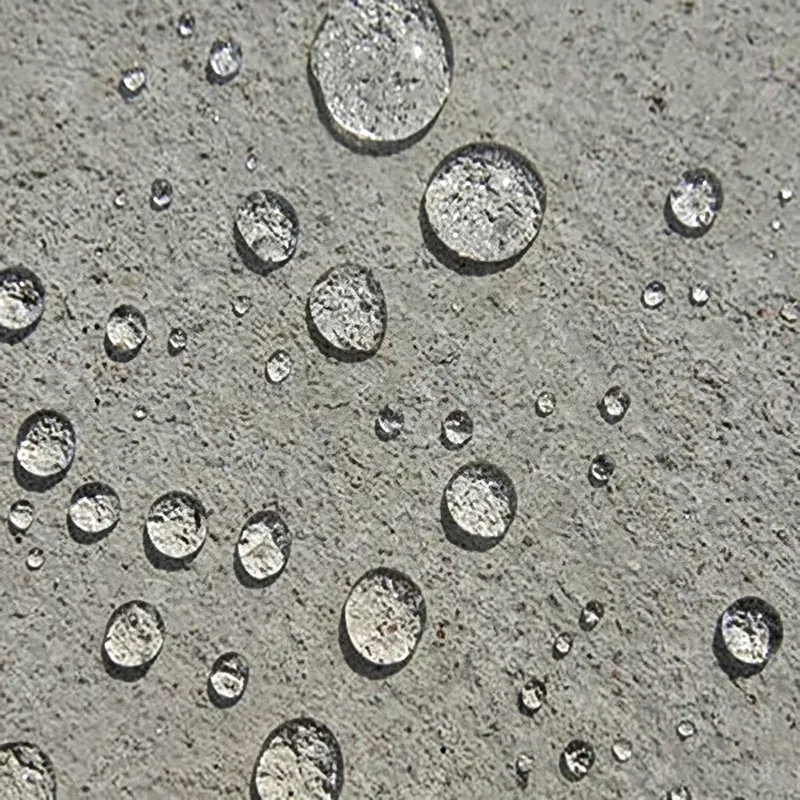
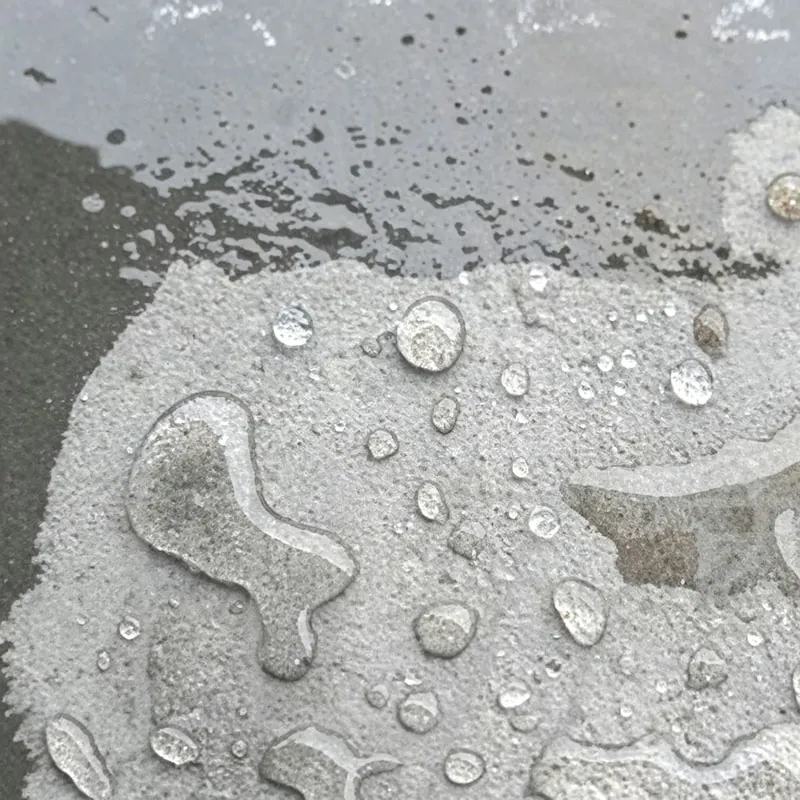
Manta WS120 is a deep-penetrating nanoscale silane cream, a water-based thixotropic paste used for hydrophobic impregnation of exposed architectural and reinforced concrete on bridges, tunnels, marine structures and facades. Its non-sagging consistency suits vertical and overhead surfaces, and it reduces water and waterborne chloride ingress without changing the concrete's appearance or breathability.
- Grade
- WS120
- Chemical Name
- Nanoscale penetrating water repellent (Deep-penetrating silane cream) Water-based silane emulsion paste
- Form
- White paste/cream
Overview
Manta WS120 is a deep-penetrating nanoscale silane cream, a thixotropic paste supplied as a water-based emulsion and designed for the hydrophobic impregnation of exposed architectural concrete. It is used for the preventative protection of new construction and for the preservation and maintenance of existing concrete infrastructure.
By forming a durable moisture barrier within the capillary network, WS120 reduces the ingress of corrosive agents, including acid rain and waterborne chlorides, and helps to limit the mold, moss and other biological growth that cause discoloration. It enhances structural durability and extends the service life of reinforced concrete without altering its original breathability or appearance.
WS120 is a water-based cream (active content: ≥ 40%). Manta LO320E is an isooctyltriethoxysilane paste at a higher active level (active content: About 80%), and Manta WS101 is a liquid silane emulsion that is diluted with water before application.
Key Features
- Penetration depth of 3–4 mm into dense concrete substrates
- Significantly reduces capillary water absorption and the ingress of waterborne chloride ions, helping to limit rebar corrosion
- Invisible, vapor-permeable hydrophobic network with no coating film, so no blistering, flaking or peeling
- Imparts hydrophobicity to static micro-cracks up to 0.2 mm in width
- Thixotropic paste for facades and overhead soffits without sagging or dripping
- Leaves the original architectural appearance and surface texture unaltered
- Water-based, with easy tool cleanup and lower VOC emissions than pure liquid silanes
- Can be finished with decorative or fair-faced concrete protective coatings
Specifications
| Property | Typical Value |
|---|---|
| Active Ingredient Content | ≥ 40% |
| Appearance | White paste/cream |
| Density (25°C) | About 0.86 g/cm3 |
| Viscosity (20°C) | ≥ 4000 mPa.s |
| Hydrolyzable Chloride Content | ≤ 100ppm |
| Chloride Absorption Reduction Rate | ≥ 80% |
| Construction Method | Brush, roller, high-pressure airless spray |
| Recommended Dosage | 300 g/m2 |
| Number of Coats | 1~2 coats |
| Recoating Interval | After the previous coat is surface-dry |
| Tool Cleaning | Water |
| Surface Drying Time | 2~3 hours |
| Complete Curing | More than 7 days |
| Suitable Weather For Construction | Sunny day, wind below level 4, temperature 5~40°C |
| Unsuitable Weather For Construction | Rainy and snowy day, strong wind above level 5, freezing weather below 0°C |
Typical values from the current Technical Data Sheet.
Applications
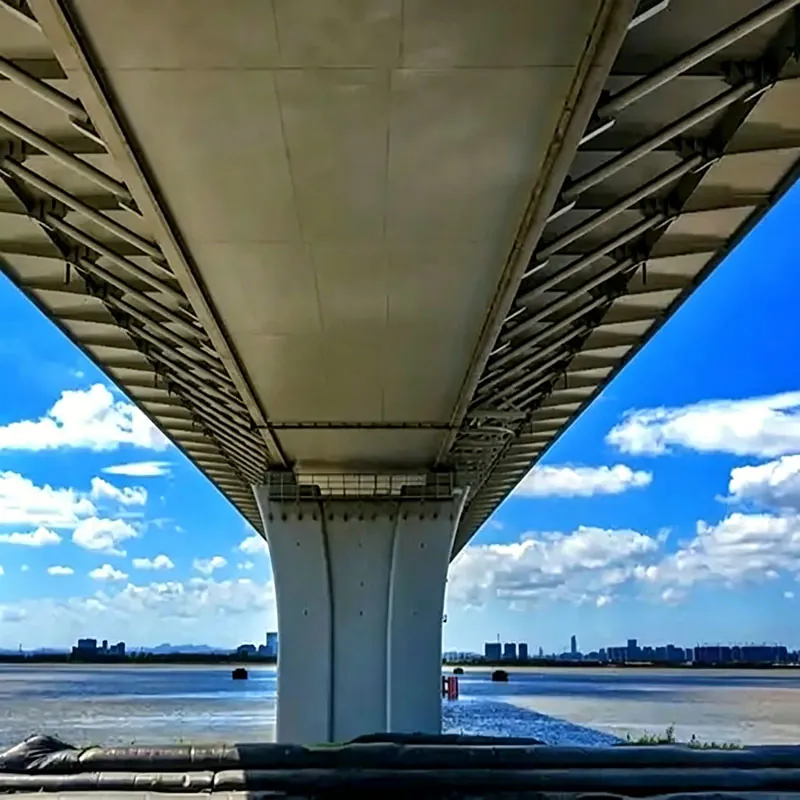
- Transportation infrastructure: bridge piers, overhead soffits, urban overpasses, railway networks and tunnel linings
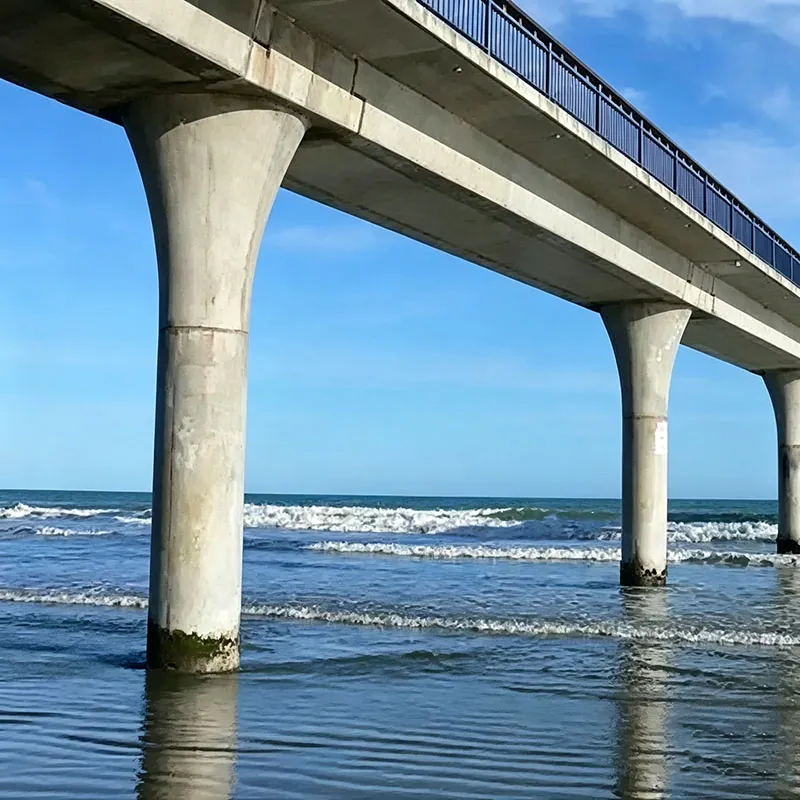
- Marine and coastal structures: harbors, commercial docks, seawalls and port facilities
- Architectural and industrial assets: fair-faced concrete facades, commercial building envelopes and power plant cooling towers
Application Instructions & Surface Preparation
- 1. Substrate Age (Curing Requirements) To ensure optimal penetration, newly cast concrete must be allowed to fully cure for a minimum of 28 days (4 weeks). Any areas treated with cementitious repair mortars must cure for at least 14 days prior to silane impregnation.
2. Surface Preparation Thorough surface preparation is important for the deep penetration of the thixotropic cream:
- Defect Rectification: Repair visible defects such as honeycombing, exposed rebar, voids and cracks with cement-based repair material.
- Mechanical Cleaning: Utilize a steel scraper, wire brush, or mechanical abrasion to completely remove laitance, dirt, and friable attachments.
- Contaminant Removal: Ensure the substrate is free from grease, oil, and atmospheric pollutants. If formwork release agents or curing compounds were used, their compatibility must be verified via a preliminary test patch. If they impede penetration, they must be completely removed mechanically.
- Moisture Parameters: The concrete surface must be visibly dry prior to application, with a residual moisture content strictly not exceeding 6%.
3. Application Equipment & Method
- Large-Scale Projects: The use of high-pressure airless spray equipment is highly recommended. This method maximizes application efficiency, ensures a uniform thick-film build, and significantly reduces material waste.
- Manual Detailing: For smaller or intricate areas, the paste can be effectively applied using a lambskin roller or brush.
4. Post-Application Protection Following application, the treated surface must be protected from rain, heavy moisture, and extreme weather conditions for a minimum of 24 hours to allow the silane to fully penetrate and complete its chemical reaction under ambient conditions.
Related applications: Concrete, Masonry & Stone Protection
Packaging & Storage
Supplied in 20L barrel, 50L barrel.
Safety and Storage
Keep in original packaging barrel at 5-45°C, shelf life is 12 months.
Safety measures
This product should be avoided from contact with flowers and other plants, and any items that should not be exposed to the solvent environment should be protected.
Construction workers should wear goggles and protective gloves as required during construction. If accidentally inhaled, move to a place with fresh air immediately. If it comes into contact with the skin, wash it with water for 15 minutes immediately; if it comes into contact with the eyes, wash it with water for more than 15 minutes immediately, take off the contaminated clothes and shoes in time, and seek medical attention in serious cases.
Attention
The information listed in this document is based entirely on our knowledge gained in the laboratory and in practice. However, since the use of the product is usually beyond our control, we can only guarantee the quality of the product itself. We reserve the right to modify this product manual without prior notice.
Documents
- Technical Data Sheet · PDF Download TDS
- SDS and COA · on request Request Documents
Frequently Asked Questions
How deep does WS120 penetrate, and can it treat micro-cracks?
WS120 reaches a penetration depth of 3–4 mm into dense concrete substrates, and it imparts hydrophobicity to static micro-cracks up to 0.2 mm in width.
Why choose a silane cream like WS120 for vertical and overhead concrete instead of a liquid?
The thixotropic paste stays in place on facades and overhead soffits without sagging or dripping, which reduces material waste. Its water-based formulation also allows easy tool cleanup and lowers VOC emissions compared with pure liquid silanes.
How long must concrete cure before applying WS120?
Newly cast concrete must fully cure for a minimum of 28 days, and areas treated with cementitious repair mortars for at least 14 days before impregnation. The surface must also be visibly dry, with a residual moisture content not exceeding 6%.
Which standards does the WS120 TDS reference?
The WS120 TDS lists JT/T 991-2015 (silane paste for the surface protection of bridge concrete), JC/T 2235-2014 (siliceous protective agent for concrete), GB/T 9755-2014 (synthetic resin emulsion coatings for exterior walls), GB 50210-2018 (acceptance of construction quality of building decoration) and JC/T 2273-2014 (test methods for active ingredients and harmful substances in silane/siloxane building protective agents). Tell us which standard your project requires so we can confirm the supporting documents.
Can WS120 be over-coated after application?
Yes. After impregnation the concrete can be finished with decorative coatings or fair-faced concrete protective coatings.
Related Products
WS120 is one step in the building protection formulation chain. One inquiry can cover the other raw materials in your formulation, with samples, technical documents, quotation and shipment handled together.
- Alkyl Silane Actives
- Emulsions & Pastes
- Siliconate Liquids & Powders
- Waterproof Coatings
Looking for a different purity, functional group, or a structure not listed here? Contact our technical team.
Talk to our technical team
Tell us your application, target properties and estimated quantity. We will suggest grades and arrange documents or samples.