
Waterproof Coatings
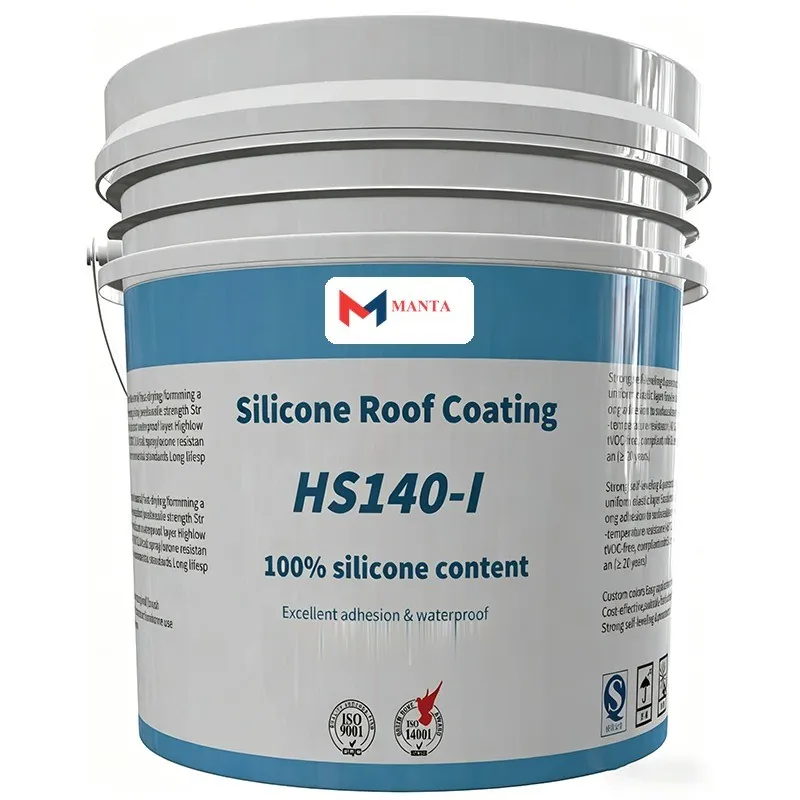
High-Solids Silicone Roof Coating | Manta HS140
Manta HS140 is a single-component, moisture-curing silicone waterproofing coating that cures to a flexible, seamless elastomeric membrane for roofs, exterior walls, bridges and metal structures. It is a high-solids, low-VOC formulation with a bright white finish for cool-roof service, supplied in self-leveling, medium-viscosity and non-sag grades.
- Grade
- HS140
Overview
Manta HS140 is a single-component, moisture-curing silicone waterproofing coating. Formulated with silicone rubber nano-composite technology, inorganic fillers and functional additives, it cures to form a highly flexible, seamless and durable elastomeric membrane with high resistance to UV degradation, salt spray and ozone.
To accommodate different slopes and detailing needs, HS140 is available in three rheological grades. Type I is a low-viscosity, self-leveling grade for flat horizontal surfaces, Type II is a medium-viscosity general-purpose roll and spray grade, and Type III is a thixotropic, non-sag grade for vertical walls and complex detailing.
The bright white finish gives high solar reflectivity, which helps to reduce cooling costs. HS140 is a low-VOC formulation, and the VOC limit is given in the specification table. As a pure silicone coating it differs from Manta MS2024, a moisture-curing coating based on silane-modified polymer, and from Manta HP-2K, a two-component system that can be applied to damp substrates, whereas HS140 requires a dry substrate.
Key Features
- Pure silicone, high-solids elastomeric coating
- Bright white finish with high solar reflectivity for cool-roof service
- Good elongation, peel adhesion and tensile strength to accommodate structural movement
- High resistance to UV degradation, salt spray and ozone
- Wide service temperature range
- Helps to extend the service life of existing roofs on suitable substrates
- Low-VOC formulation
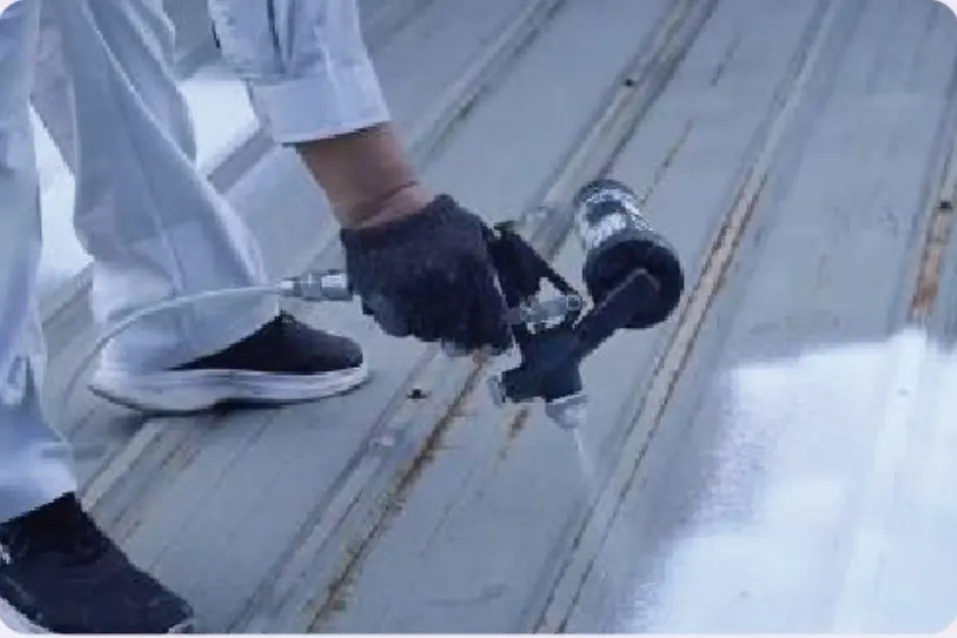
- Applied by airless spray, heavy-duty roller or brush
- Available in customizable colors
Specifications
| No. | Inspection Item | Product Type | Testing Basis | |||
| I type | II type | III type | ||||
| 1 | Appearance | Uniform and delicate paste, without bubbles, impurities, crust, lumps, gel, or precipitates that are difficult to disperse. | Uniform and delicate paste, without bubbles, impurities, crust, lumps, gel, or precipitates that are difficult to disperse. | Uniform and delicate paste, without bubbles, impurities, crust, lumps, gel, or precipitates that are difficult to disperse. | GB/T 14683-2017(6.2) | |
| 2 | Color | Black, white, grey, etc | ISO 4660:2011 | |||
| 3 | Surface Drying Time(min), 25°C | 30~45 | 15~45 | 30~40 | GB/T 13477.5-2002 | |
| 4 | Viscosity mPa·s | 4000~7000 | 12000±1000 | —— | GB/T 2794-2022(7.1) | |
| 5 | Curing Speed (mm/24h), 25°C | ≥2.5 | ≥2.2 | ≥2.5 | GB/T 29595-2013(5.8) | |
| 6 | Density(g/ml) | 1.20±0.05 | 1.1±0.1 | 1.4±0.05 | GB/T 13477.2-2018 | |
| 7 | Hardness(Shore A) | 30-45 | 30-45 | 30-40 | GB/T 531.1-2008 | |
| 8 | Tensile Strength(MPa) | ≥1.2 | ≥1.5 | ≥1.7 | GB/T 528-2009 Dumbbell type I sample | |
| 9 | Tear Strength(N/mm) | ≥3.5 | ≥3.5 | ≥4.0 | GB/T 529-2008 | |
| 10 | Elongation at Break(%) | ≥150 | ≥120 | ≥400 | GB/T 528-2009 Dumbbell type I sample | |
| 11 | VOC(%) | ≤5 | ≤5 | ≤5 | GB/T 33372-2020 | |
| 12 | Volume Shrinkage(%) | ≤5 | ≤5 | ≤5 | GB/T 13477.19-2017 | |
| 13 | Solar Reflectivity | 0.8±0.1 | 0.8±0.1 | 0.8±0.1 | JG/T 235-2014(6.4) | |
| 14 | Solar Reflectance after Accelerated Aging(5000h) | ≥0.75 | ≥0.75 | ≥0.75 | JG/T 235-2014(6.7) | |
| 15 | Initial Thermal Emissivity | 0.90±0.05 | 0.90±0.05 | 0.90±0.05 | JG/T 235-2014(appendix C) | |
| 16 | Initial SRI Value | 95±5 | 95±5 | 95±5 | ASTM E1980-11(2019) | |
| 17 | Water Vapour Transmission, g/(m²·d) | ≤25.0 | ≤25.0 | ≤25.0 | ASTM E96/E96M-16 (desiccant method) | |
| 18 | Peel Adhesion, N/mm | Polyurethane foam | ≥2.0 | ≥2.0 | ≥2.0 | ASTM D903-98(2017) |
| Acrylic coating | ||||||
| Galvanized metal | ||||||
| EPDM (Ethylene Propylene Diene Monomer) | ||||||
| Polyvinyl chloride | ||||||
| 19 | Low-Temperature Flexibility -50°C, round bar 6mm | No cracking, delamination, or bonding damage | No cracking, delamination, or bonding damage | No cracking, delamination, or bonding damage | GB/T 16777-2008(13) | |
Typical values from the current Technical Data Sheet.
Applications
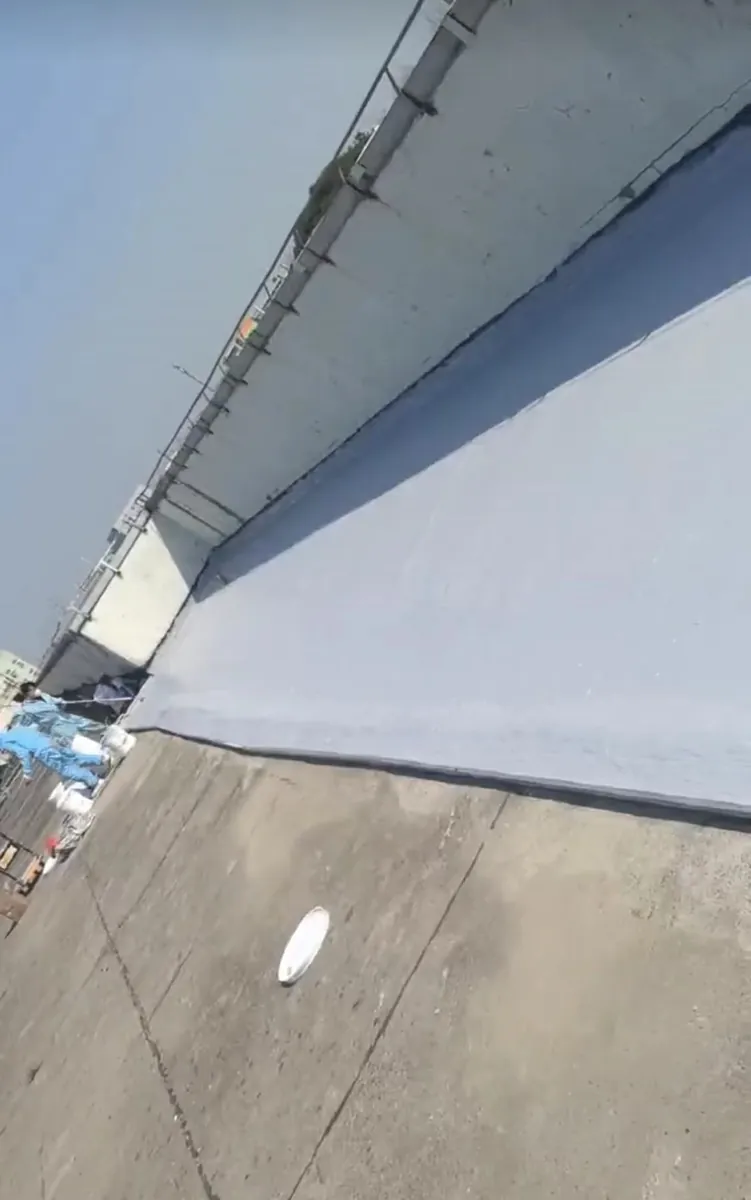
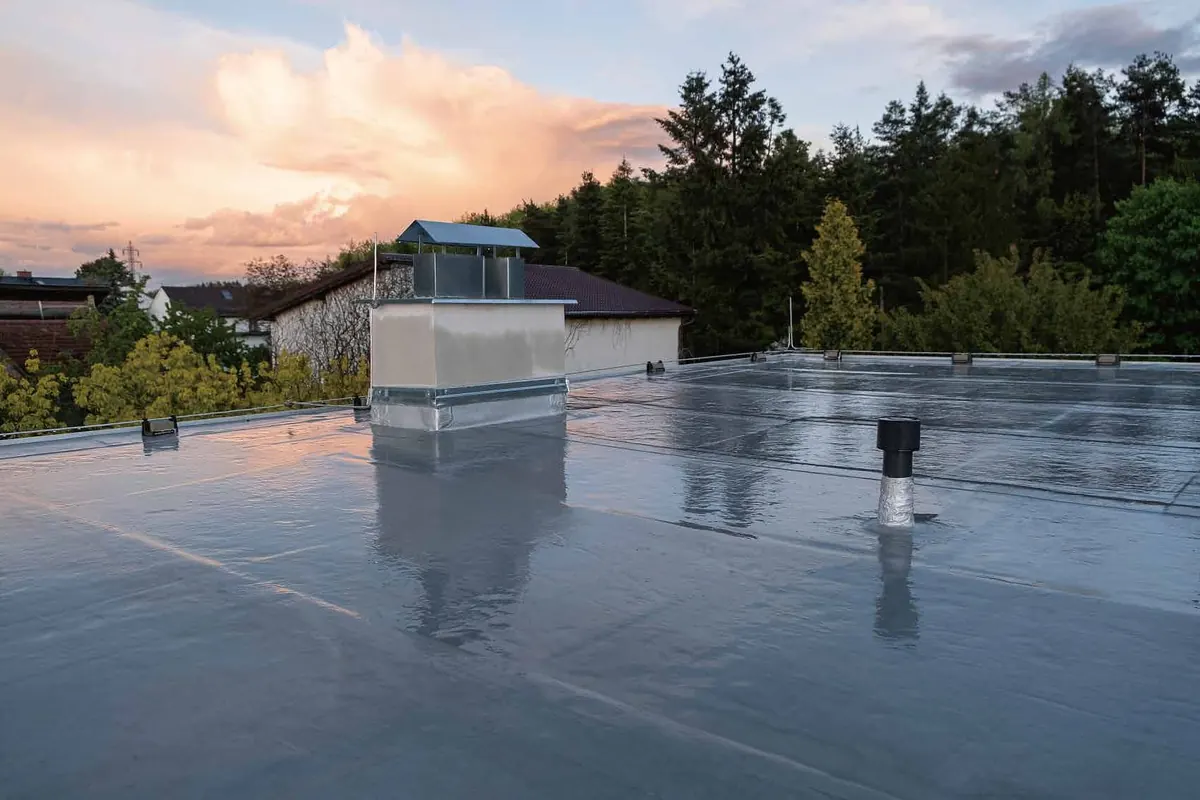
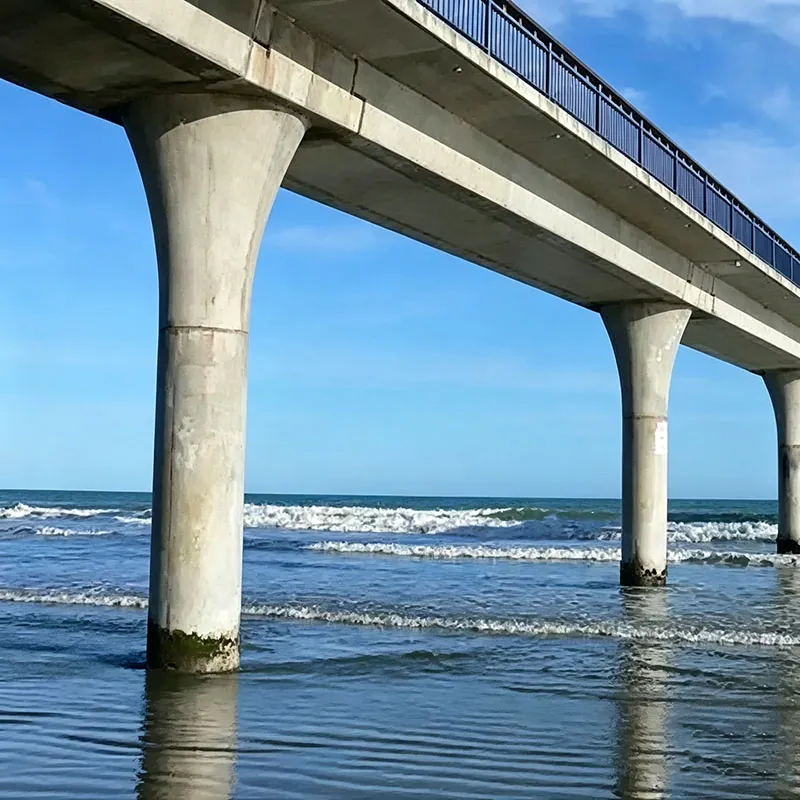
- Roofing and infrastructure: waterproofing and heat reflection on new and existing roofs, concrete floors, exterior walls, bridges, highways, subways and tunnels
- Public and heritage structures: libraries, archives, technical rooms and historical buildings
- Industrial and utility: external waterproofing and protection of warehouses and water tanks, with anti-corrosion and thermal shielding for corrugated steel roofs and storage tanks
- Detailing and repair: adhesion to metal, concrete, wood, ceramics and glass, for repairing basements, bathrooms and exterior facades and for UV and water protection of aluminum balconies and window awnings
- Adhesive use: bonding decorative wall panels
Application Guidelines (Standard Operating Procedure)
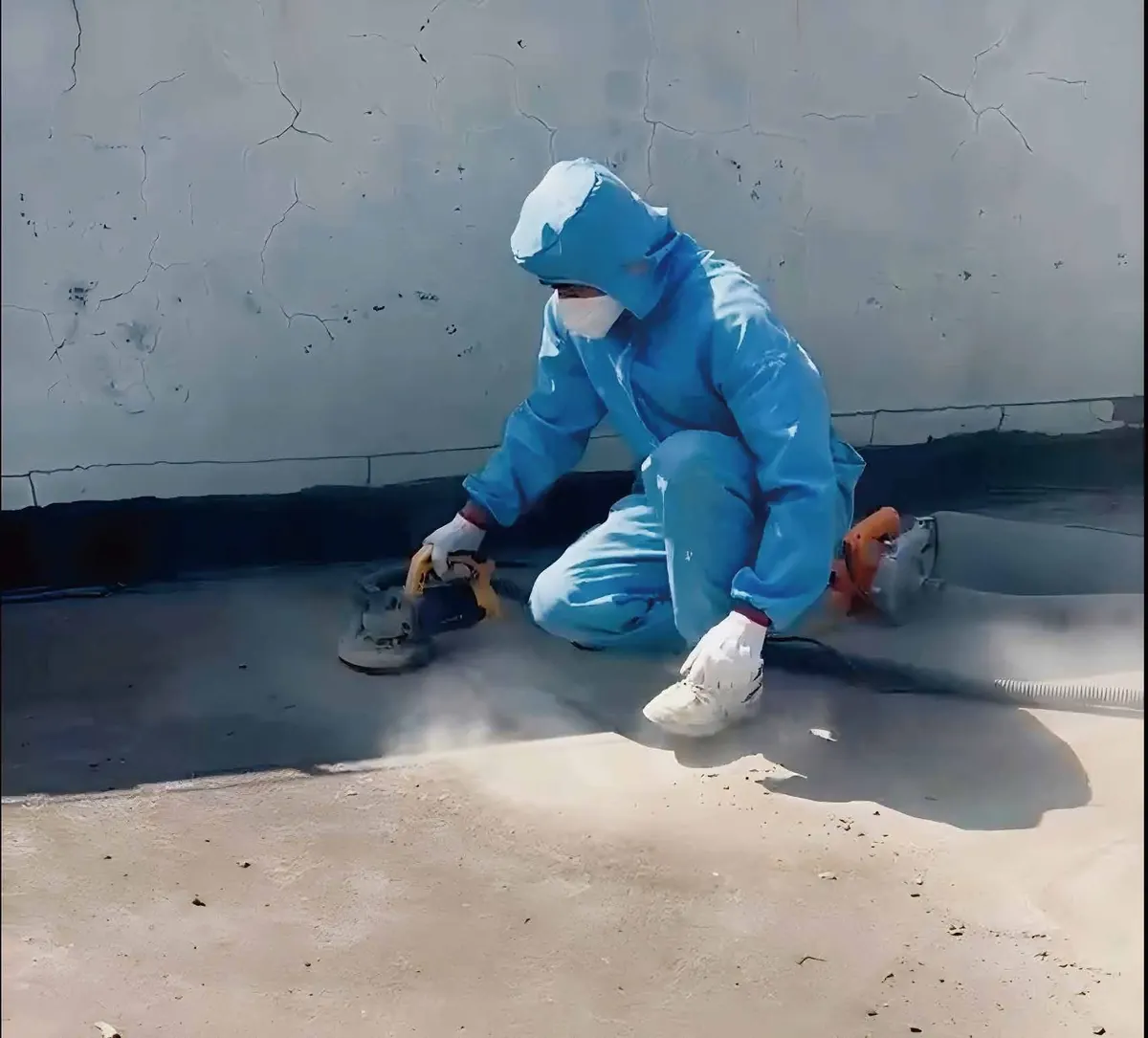
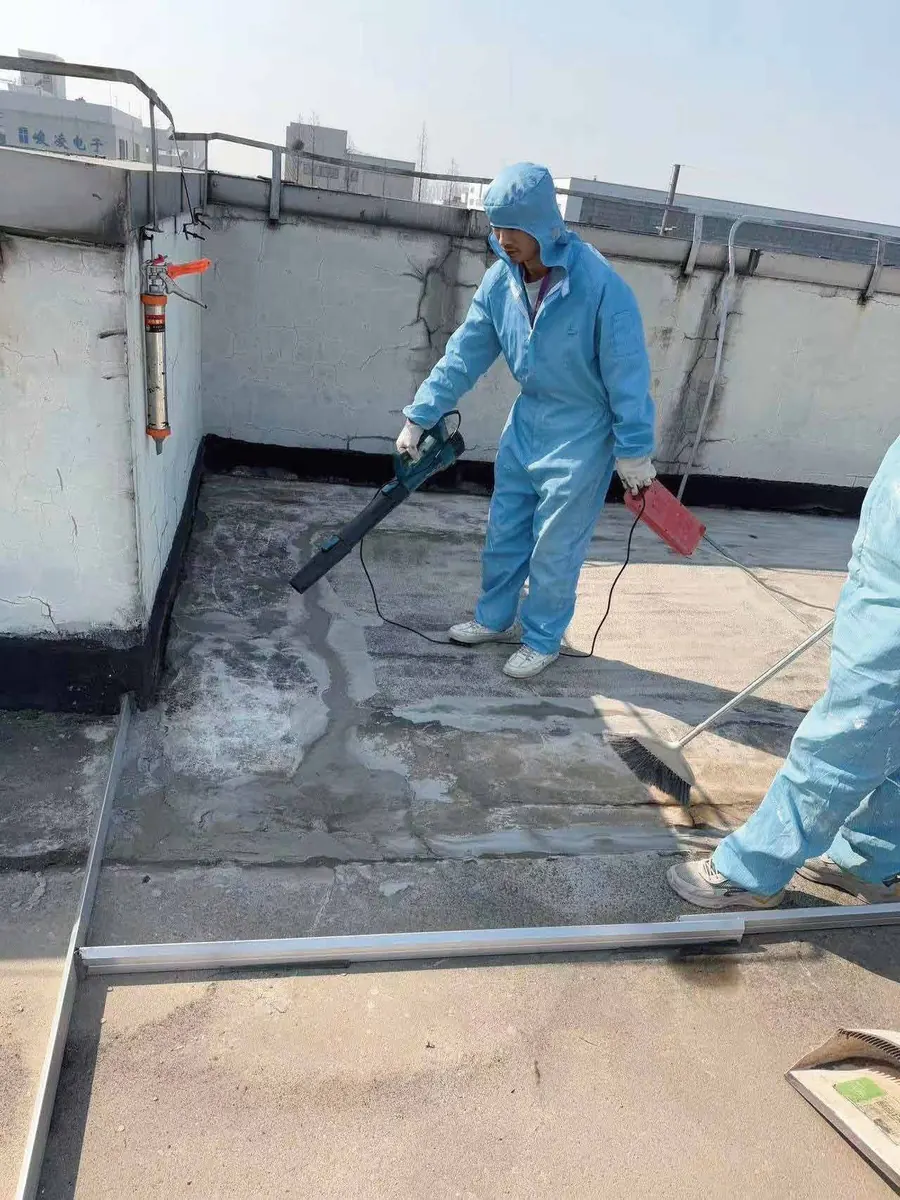
1. Surface Preparation (CRITICAL)
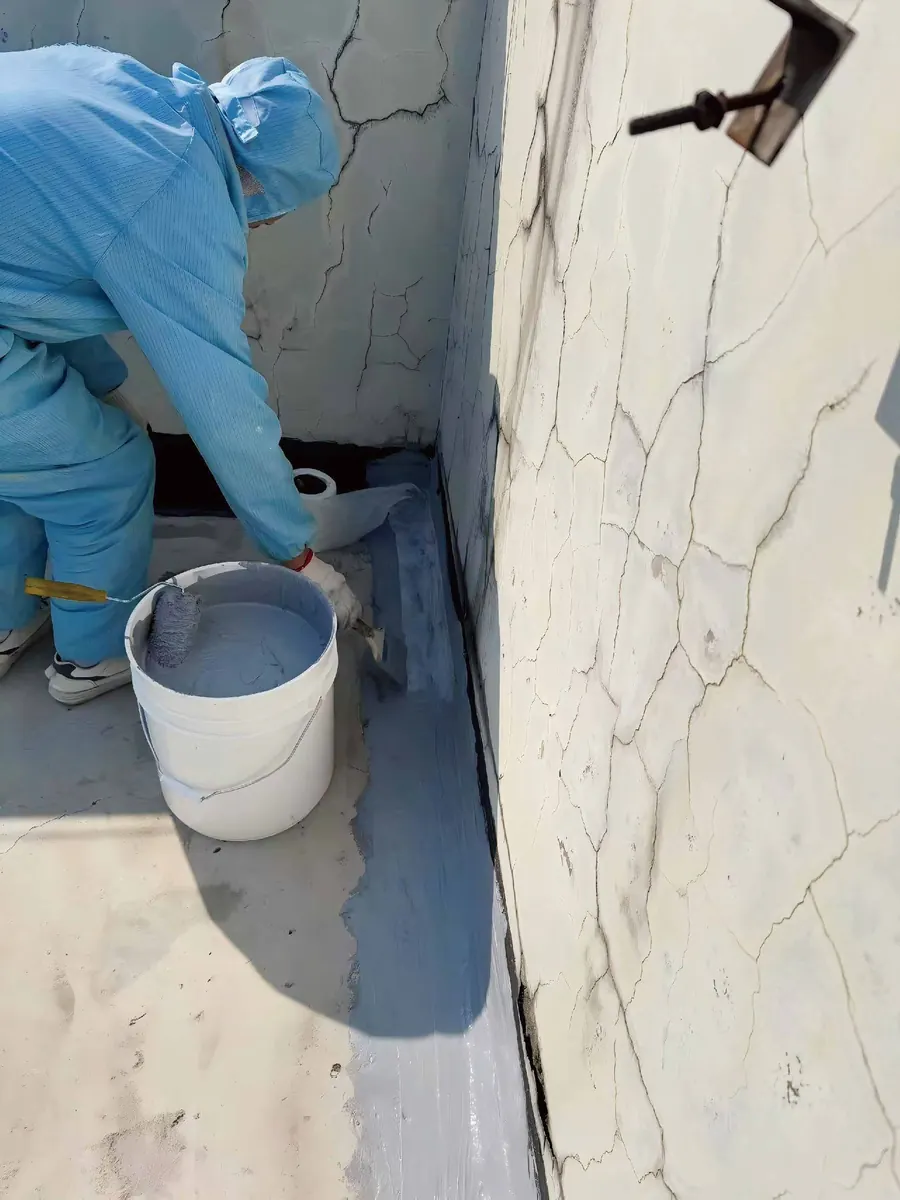
The substrate must be completely clean, dry, and structurally sound. It must be strictly free from laitance (sanding), oil stains, grease, dust, and any loose particles. It must be free of standing water and condensation, and the substrate temperature must be at least 3 °C above the dew point; residual moisture can lift the cured membrane.
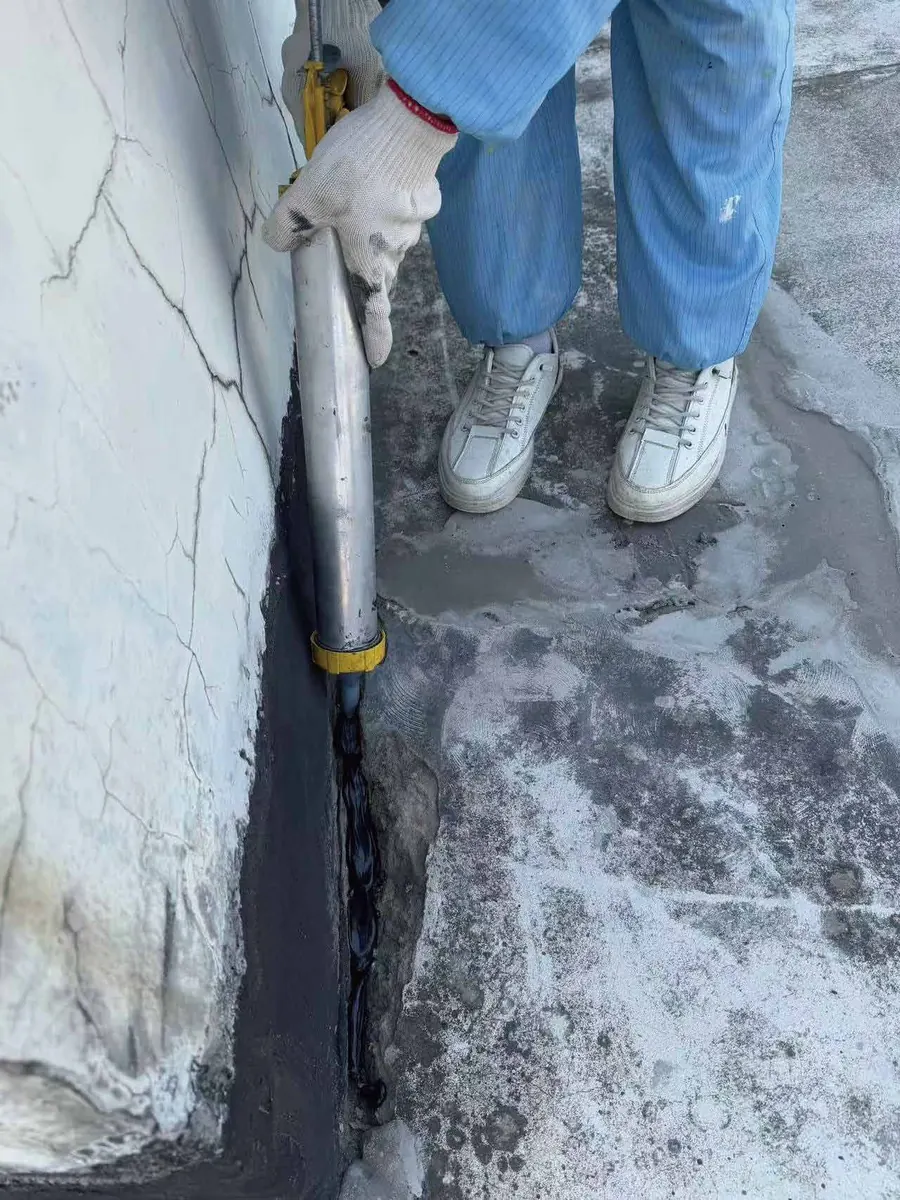
2. Crack & Joint Treatment
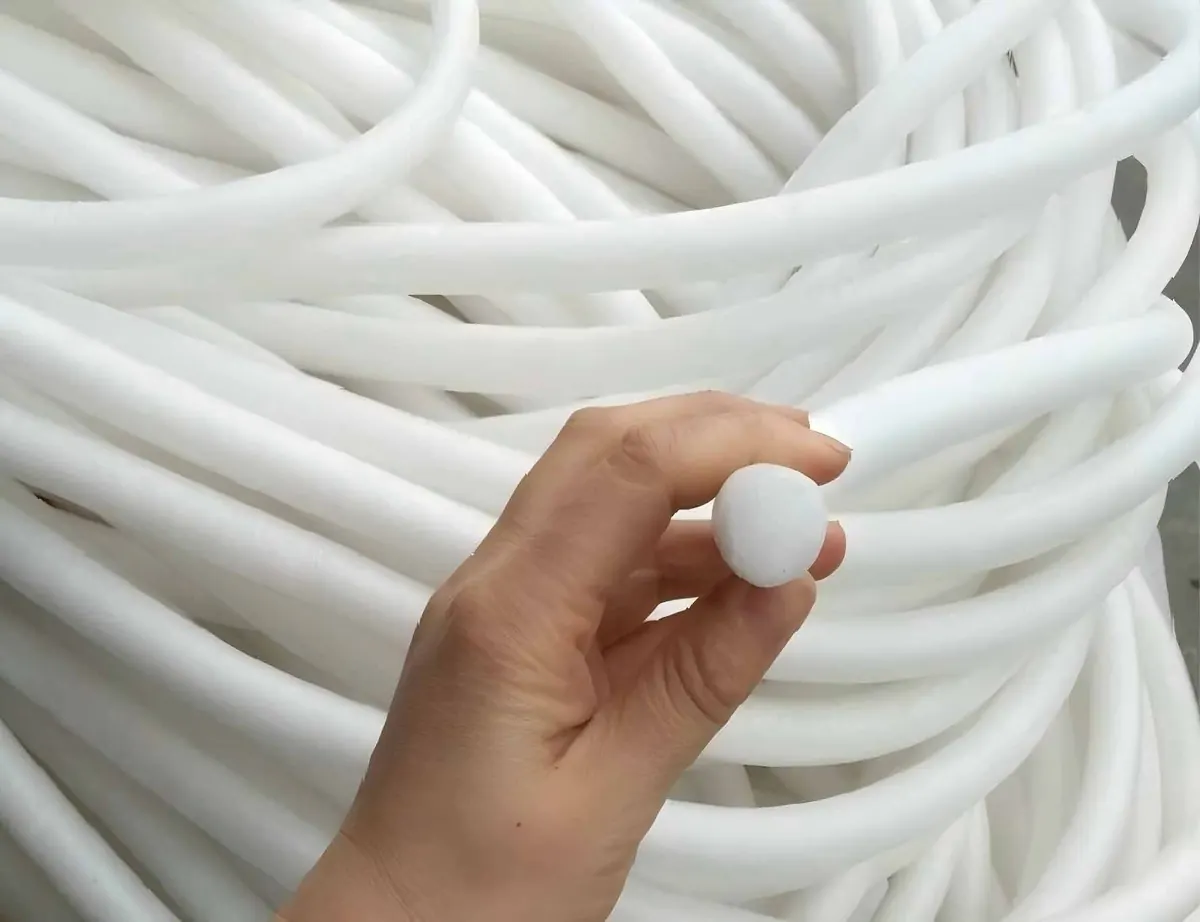
Cracks and gaps ≥ 3mm must be properly routed and filled with a compatible silicone sealant prior to the main coating application.
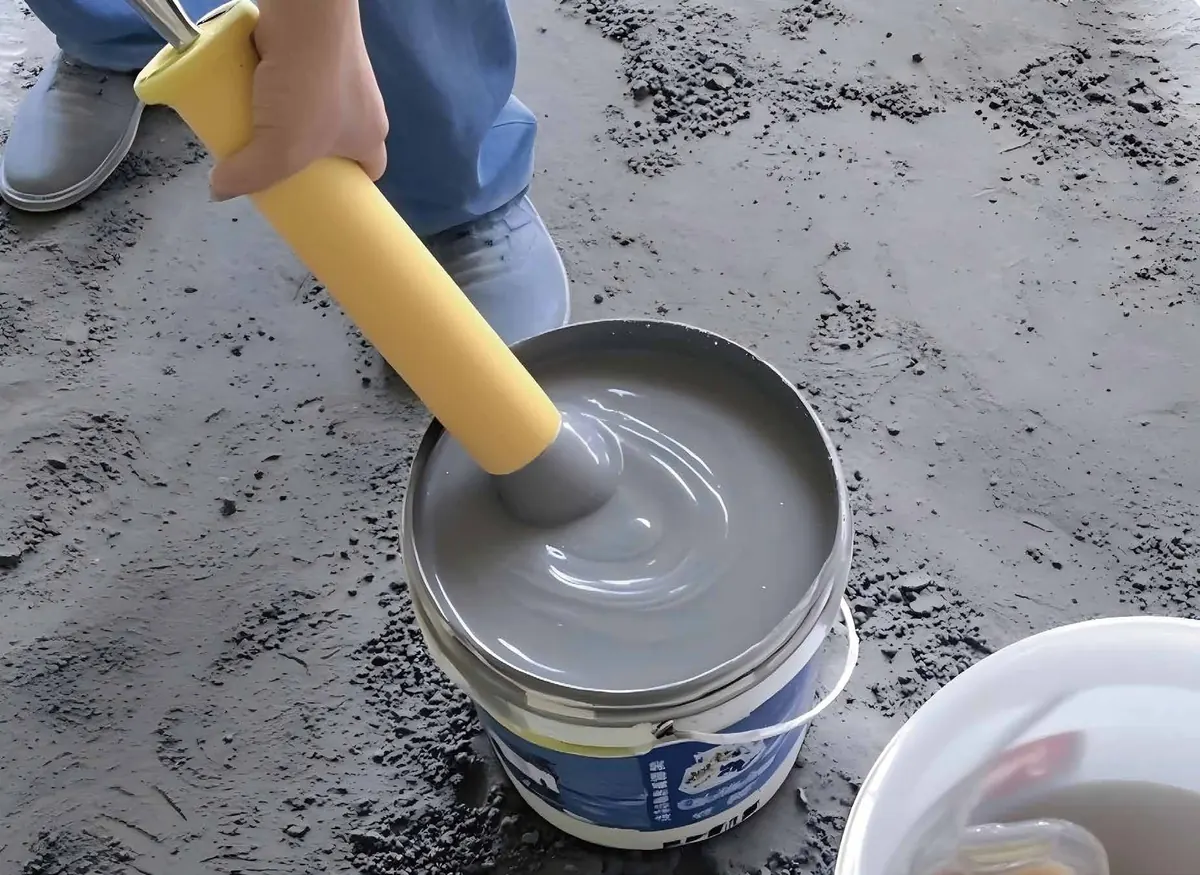
3. Coating Application
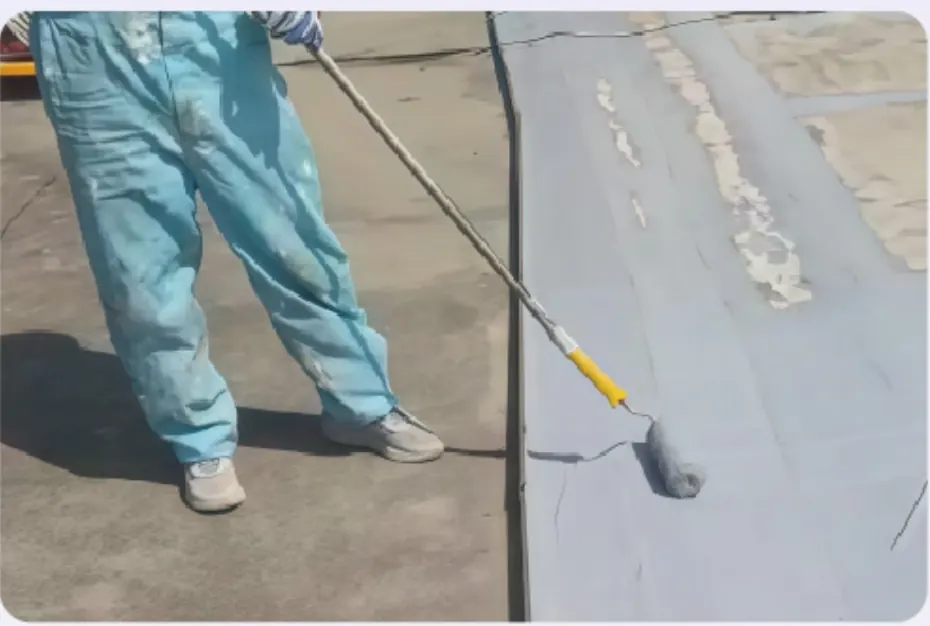
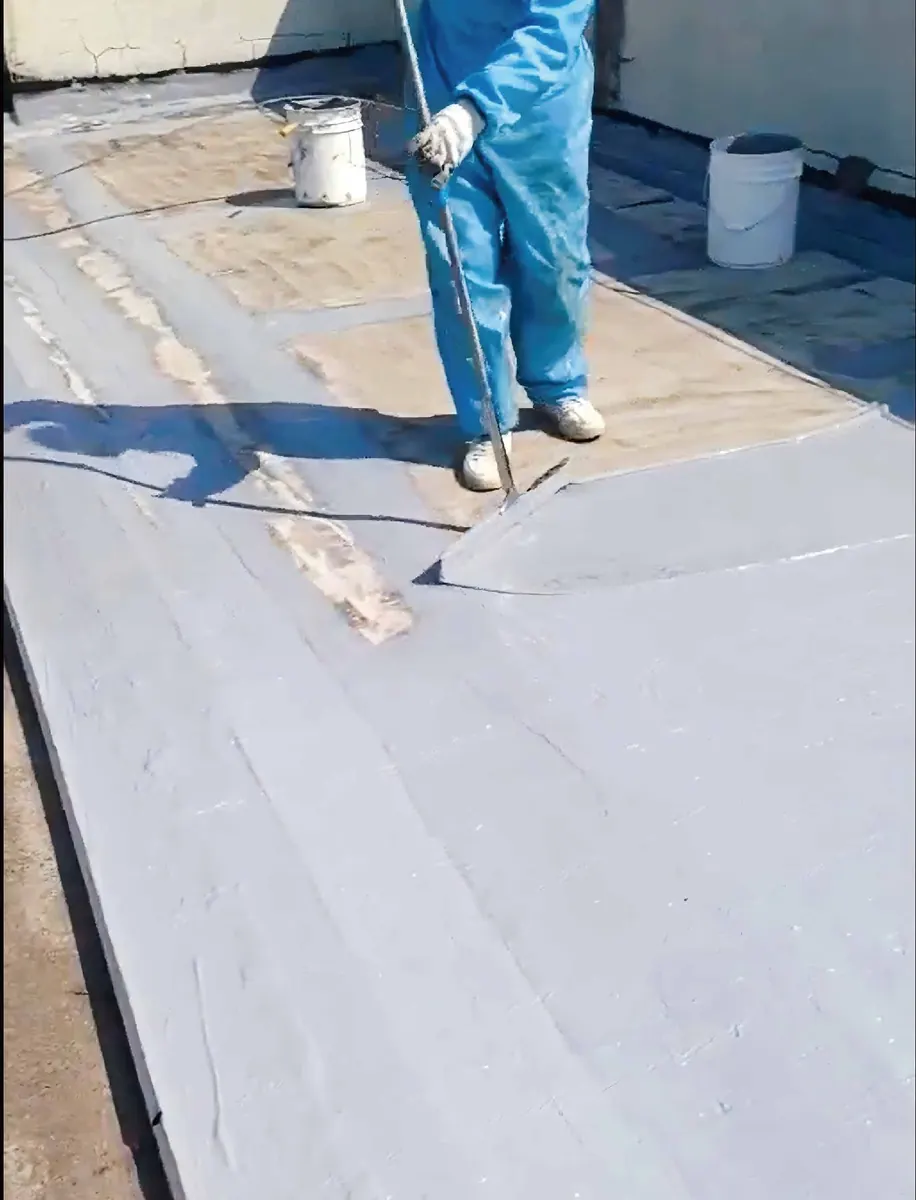
Apply the coating using an airless sprayer, roller, or squeegee. It is typically applied in two intersecting coats (cross-hatch method). Ensure the total dry film thickness is ≥ 1.0mm. Important: The second coat must only be applied after the first coat has fully cured.
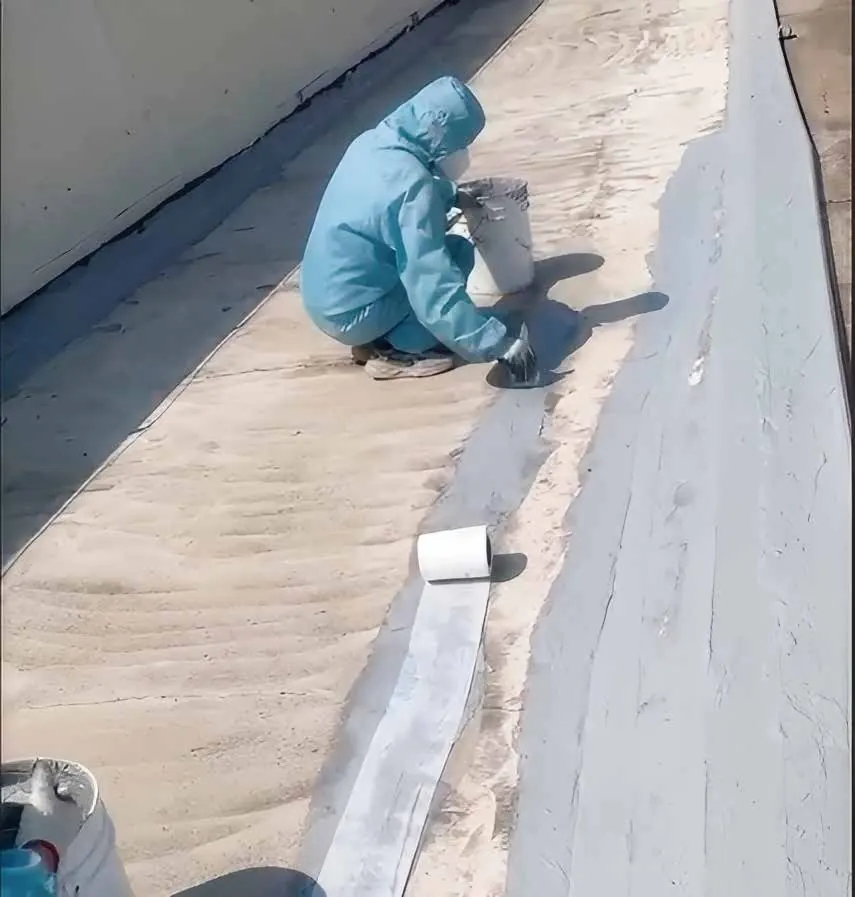
4. Fabric Reinforcement System (For enhanced tensile strength and longevity)
- Step A (Base Coat): After surface preparation, apply a generous and even base coat longitudinally. Ensure complete coverage without missing spots, allowing the coating to penetrate gaps.
- Step B (Embedment): Immediately embed a layer of non-woven reinforcing fabric directly into the wet base coat. Press and roll firmly to remove air bubbles and ensure full saturation.
- Step C (Top Coat): Once the base coat and fabric layer have cured, apply the top coat evenly in a transverse (cross) direction, ensuring complete encapsulation with no missed areas.
5. Limitations
Not recommended on bituminous membranes (APP/SBS, BUR), where the coating can delaminate, or for areas under permanent ponding water.
Related applications: Liquid Waterproofing & Construction
Roof Coating Application Steps

Packaging & Storage
Packaging: Available in 5kg (5L / 1-gallon) plastic pails, 20kg (20L / 5-gallon) plastic pails, and 190kg (190L) metal drums.
Transportation: Transported as non-hazardous goods. Protect from direct sunlight, rain, severe impact, and crushing during transit.
Storage & Shelf Life: Store in a cool, dry, and well-ventilated area at temperatures below 27°C. Shelf life is 12 months in original, unopened packaging. (Note: Product exceeding the shelf life may still be utilized if it successfully passes standard quality assurance testing).
Documents
- Technical Data Sheet · PDF Download TDS
- SDS and COA · on request Request Documents
Frequently Asked Questions
How do I choose between Manta HS140 Type I, Type II and Type III?
Type I is a low-viscosity, self-leveling grade for flat horizontal surfaces. Type II is the medium-viscosity general-purpose roll and spray grade. Type III is thixotropic and non-sag, for vertical walls and complex detailing. Values for each type are listed in the specification table.
What film thickness and coating sequence does Manta HS140 require?
Apply two intersecting coats using the cross-hatch method, to a total dry film thickness of ≥ 1.0mm. Apply the second coat only after the first coat has fully cured.
What cool-roof performance does Manta HS140 provide?
The bright white finish gives high solar reflectivity, which helps to reduce cooling costs. For Types I, II and III alike, solar reflectivity is 0.8±0.1, solar reflectance after 5000h of accelerated aging is ≥0.75, initial thermal emissivity is 0.90±0.05 and the initial SRI value is 95±5.
How well does Manta HS140 adhere to existing roof surfaces?
Peel adhesion is ≥2.0 N/mm for all three types on polyurethane foam, acrylic coating, galvanized metal, EPDM and polyvinyl chloride, tested to ASTM D903-98(2017). HS140 is not recommended on bituminous membranes (APP/SBS, BUR), where the coating can delaminate, or for areas under permanent ponding water.
How should cracks be treated before applying Manta HS140?
Cracks and gaps of ≥ 3mm must be routed and filled with a compatible silicone sealant before the main coating is applied. The substrate must be clean, dry and structurally sound, free of laitance, oil stains, grease, dust, loose particles, standing water and condensation.
Related Products
HS140 is one step in the building protection formulation chain. One inquiry can cover the other raw materials in your formulation, with samples, technical documents, quotation and shipment handled together.
- Alkyl Silane Actives
- Emulsions & Pastes
- Siliconate Liquids & Powders
- Waterproof Coatings
Looking for a different purity, functional group, or a structure not listed here? Contact our technical team.
Talk to our technical team
Tell us your application, target properties and estimated quantity. We will suggest grades and arrange documents or samples.