
Silicone Emulsions & Fluids
Nano-Silane Hydrophobic Impregnation | Manta WS130
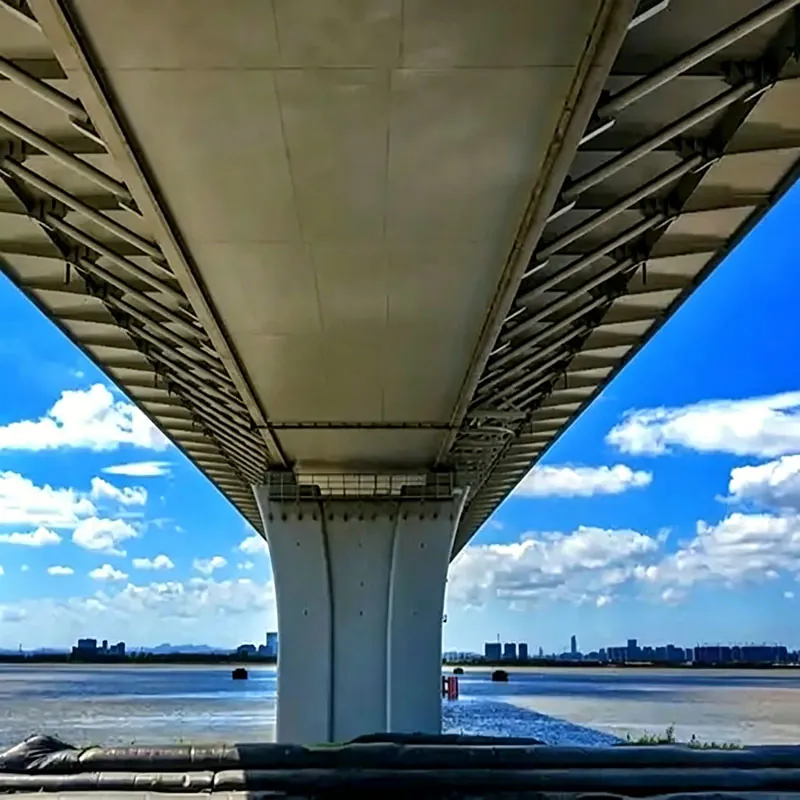
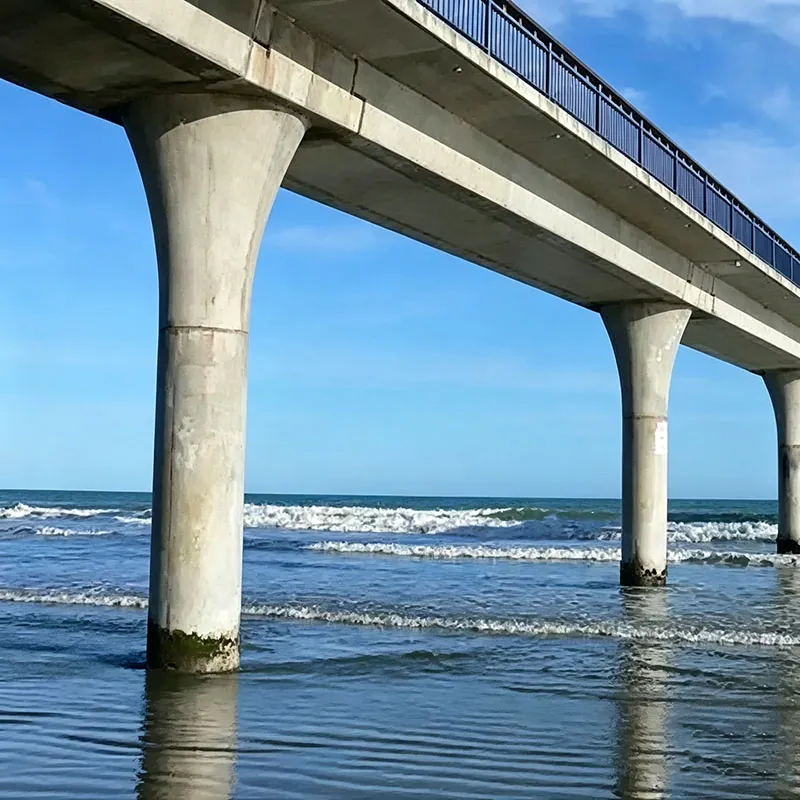
Manta WS130 is a nanoscale silane-based hydrophobic impregnation, supplied as a clear, deeply penetrating liquid, for the heavy-duty protection of reinforced concrete on seaports, highway bridges, railway infrastructure and airport aprons. It reduces capillary water absorption and chloride absorption and is designed in accordance with Chinese highway and port anti-corrosion specifications.
- Grade
- WS130
Overview
Manta WS130 is a nanoscale silane-based hydrophobic impregnation for reinforced concrete structures exposed to aggressive marine environments, airborne chlorides, de-icing salts and severe freeze-thaw cycles. It is designed in accordance with two anti-corrosion specifications: JTG/T B07-01-2006 for concrete structures in highway engineering and JTJ 275-2000 for concrete structures in port engineering.
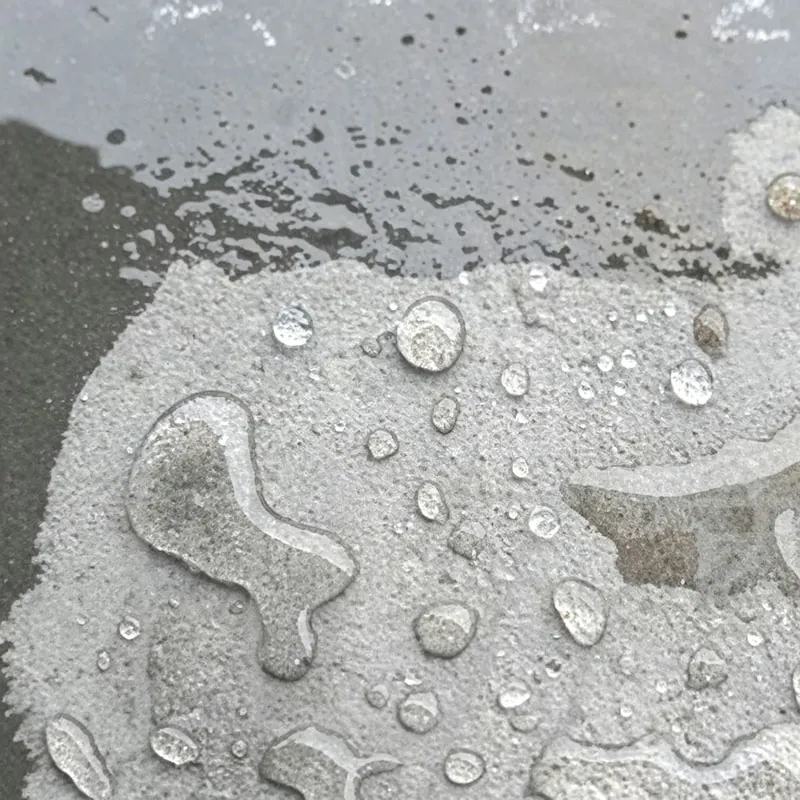
Because of its very low molecular weight, the active silane penetrates deep into the concrete. On contact with atmospheric moisture and the alkaline components of the cementitious matrix, it reacts to form an embedded hydrophobic barrier. The treatment significantly reduces capillary water absorption and provides chloride-ion screening and UV resistance, which helps to limit rebar corrosion, freeze-thaw damage, spalling and efflorescence without altering the visual appearance or breathability of the concrete. Penetration depth, water absorption ratio, chloride absorption reduction and electric flux are listed in the specification table.
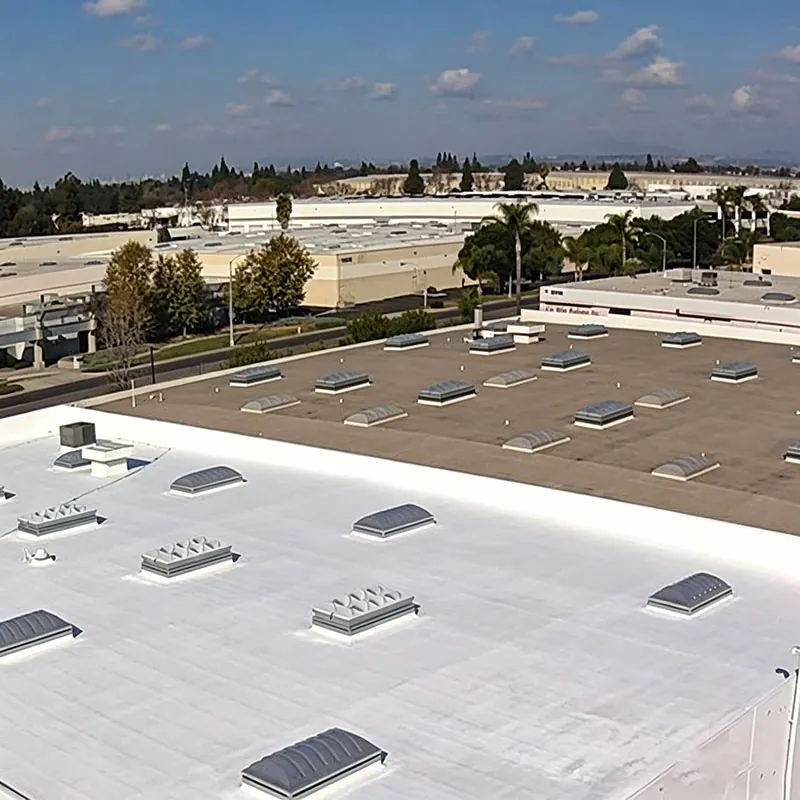
WS130 is a clear liquid applied by low-pressure spray or brush in two coats. Its TDS classes it as flammable, so site ventilation and control of ignition sources apply. Where a water-based product in paste form is preferred, Manta WS120 is a water-based silane emulsion paste applied by brush, roller or high-pressure airless spray.
Key Features
- Nanoscale silane with very low molecular weight for deep penetration into concrete
- Reacts with atmospheric moisture and alkaline components to form an embedded hydrophobic barrier
- Significantly reduces capillary water absorption
- Chloride-ion screening that helps to limit rebar corrosion
- UV resistance
- Retains the visual appearance and breathability of the concrete
- Designed in accordance with JTG/T B07-01-2006 and JTJ 275-2000
Specifications
| Property | Typical Value |
|---|---|
| Technical Index | Specification |
| Penetration Depth, mm | ≥ 3.0 |
| 48h Water Absorption Ratio, % | ≤ 10 |
| Chloride Absorption Reduction Effect, % | ≥ 90 |
| Concrete Electric Flux after Treatment | ≤300 coulombs |
| Frost Resistance -20~20°C | 20 cycles no surface change |
| Heat Resistance 180°C, 4h | No surface change |
| Alkaline Saturated Calcium Hydroxide Solution Immersion 168h | No surface change |
| Acid Resistance 1% Hydrochloric Acid Solution Immersion 168h | No surface change |
| Steel Bar Corrosion | No rust |
Typical values from the current Technical Data Sheet.
Applications
- Marine structures: seaports and marine terminals
- Highway structures: highway bridges and urban viaducts
- Rail: railway infrastructure and tunnel networks
- Exposed concrete: architectural concrete and power plant cooling towers
- Airports: airport aprons
Application Guidelines & Surface Preparation
1. Substrate Preparation
Proper surface preparation is critical for optimal penetration.
Mechanical Cleaning: Utilize suitable power tools or wire brushes to thoroughly remove laitance, friable concrete, dirt, marine growth, and loose debris.
Chemical Cleaning: Remove oil, grease, and curing compounds. Formwork release agents must be completely removed.
Defect Repair: Structurally repair deep honeycombing. Dynamic or static cracks wider than 0.2 mm must be routed and properly sealed prior to treatment.
Rinsing & Drying: Flush the cleaned surface with potable water. The substrate must dry under ambient conditions for at least 72 hours before application to ensure capillary pores are free of moisture.
2. Application Prerequisites
Curing Time: New concrete must cure for a minimum of 28 days. Repaired areas must cure for at least 14 days.
Ambient Conditions: Substrate and ambient temperatures must be between 5°C and 45°C during application. Avoid application in strong sunlight or high winds; cover the treated surface if rain occurs.
3. Application Procedure
Apply the impregnation continuously using low-pressure spraying equipment or a brush to ensure uniform flooding of the surface.
Coverage Rate: Apply at a rate of 200–300 g/m² per coat until the substrate is fully saturated.
Coats: A total of two coats is strictly recommended. Apply the second coat after a 6-hour interval.
Protection: Avoid contact of the silane with chloroprene rubber, asphaltic sealants and other materials that may be attacked. Protect freshly treated surfaces from rain for at least 6-12 hours.
Quality Assurance & Verification (QA/QC)
1. On-Site Test Patch & Core Extraction
Prior to full-scale application, a representative test area (1-5 m²) must be treated. Seven days post-application, concrete core samples shall be extracted to verify capillary water absorption, penetration depth, and chloride screening.
2. Lot Inspection
For stringent quality control, every 500 m² of treated surface constitutes a single inspection lot. Should any core metric fail, the entire inspection lot must undergo supplemental silane re-impregnation until full compliance is achieved.
Related applications: Concrete, Masonry & Stone Protection
Packaging & Storage
Supplied in 20L and 200L containers.
Safety and Storage
The shelf life is 2 years at temperatures above 0°C and not exceeding 25°C. It is forbidden to store with acids, alkalis, amines and heavy metals or their compounds, and it cannot be placed in places contaminated by them.
Precautions
1. This product is flammable and safety precautions should be taken. Keep the construction site well ventilated and away from sparks, heat sources and open flames.
2. Do not use this product in a humid environment, at a temperature below 5°C or in windy weather.
3. Construction workers must wear goggles and protective gloves as required during construction. If accidentally inhaled, move immediately to a place with fresh air. If it comes into contact with the skin, wash it immediately with water; if it comes into contact with the eyes, wash it immediately with water, take off the contaminated clothes and shoes and seek medical attention in time.
4. Do not use on electrical equipment or hydraulic structures.
Documents
- Technical Data Sheet · PDF Download TDS
- SDS and COA · on request Request Documents
Frequently Asked Questions
What coverage rate and how many coats does Manta WS130 require?
Apply WS130 at 200–300 g/m² per coat with low-pressure spraying equipment or a brush until the substrate is fully saturated. A total of two coats is strictly recommended, with the second coat applied after a 6-hour interval.
How is WS130 treatment quality verified on site?
A representative test area of 1-5 m² is treated before full-scale application. Seven days post-application, concrete core samples are extracted to verify capillary water absorption, penetration depth and chloride screening. Every 500 m² of treated surface is one inspection lot, and any lot with a failing core metric must be re-impregnated until it complies.
How does WS130 protect rebar against chloride-induced corrosion?
The low-molecular-weight silane penetrates into the concrete and forms a hydrophobic barrier that reduces capillary water absorption and screens chloride ions, which helps to limit corrosion of the reinforcing steel. The steel bar corrosion item in the WS130 specification table reads no rust.
How dry must the concrete be before applying WS130?
After cleaning and rinsing with potable water, the substrate must dry under ambient conditions for at least 72 hours so that the capillary pores are free of moisture. New concrete must cure for a minimum of 28 days and repaired areas for at least 14 days. Substrate and ambient temperatures must be between 5°C and 45°C during application.
Which engineering standards is WS130 designed to meet?
WS130 is designed in accordance with JTG/T B07-01-2006, Technical Specifications for Anti-corrosion of Concrete Structures in Highway Engineering, and JTJ 275-2000, Technical Specifications for Anti-corrosion of Concrete Structures in Port Engineering.
Related Products
WS130 is one step in the building protection formulation chain. One inquiry can cover the other raw materials in your formulation, with samples, technical documents, quotation and shipment handled together.
- Alkyl Silane Actives
- Emulsions & Pastes
- Siliconate Liquids & Powders
- Waterproof Coatings
Looking for a different purity, functional group, or a structure not listed here? Contact our technical team.
Talk to our technical team
Tell us your application, target properties and estimated quantity. We will suggest grades and arrange documents or samples.