
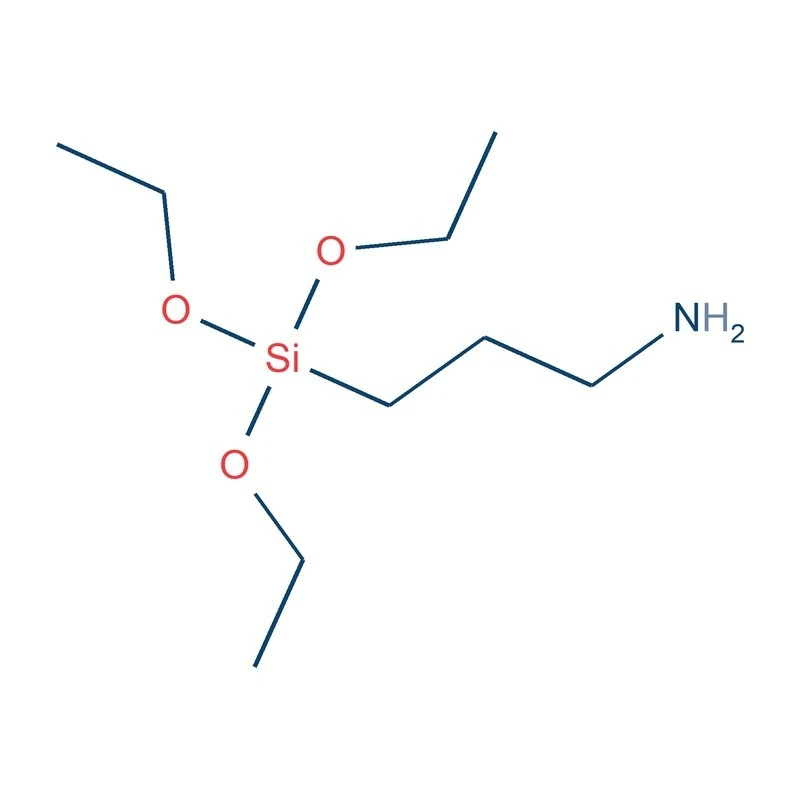
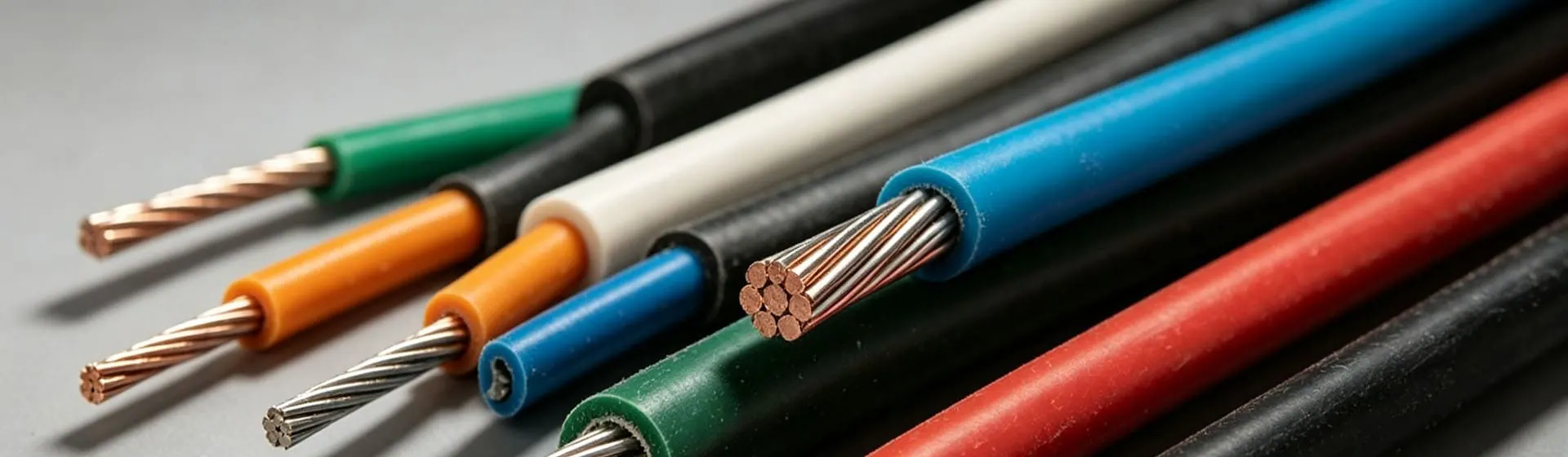
Cable compounds use silanes in two ways: to crosslink the insulation and to couple mineral fillers in halogen-free flame-retardant (HFFR) compounds.
- Silane crosslinking: Manta V31 grafts to polyethylene with a peroxide initiator in the extruder. The grafted polymer is shaped into cable jacketing or pipe and then crosslinks with moisture.
- HFFR filler treatment: Manta A110 and Manta V31 treat ATH and MDH to improve filler dispersion.
- Melt flow: Manta L1631 enhances processability and reduces compound viscosity in HFFR cables.
Recommended Grades
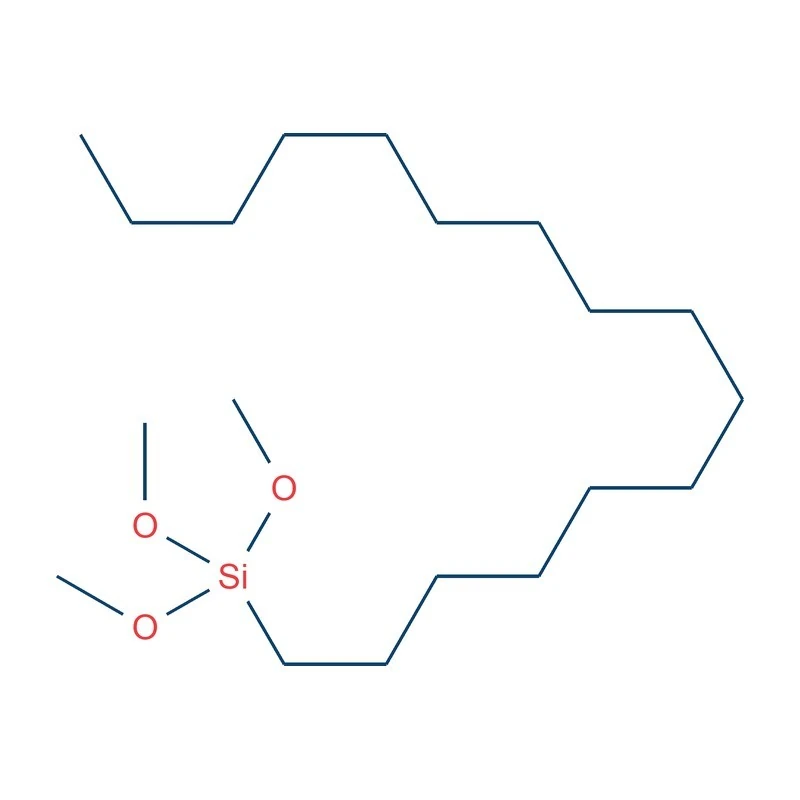
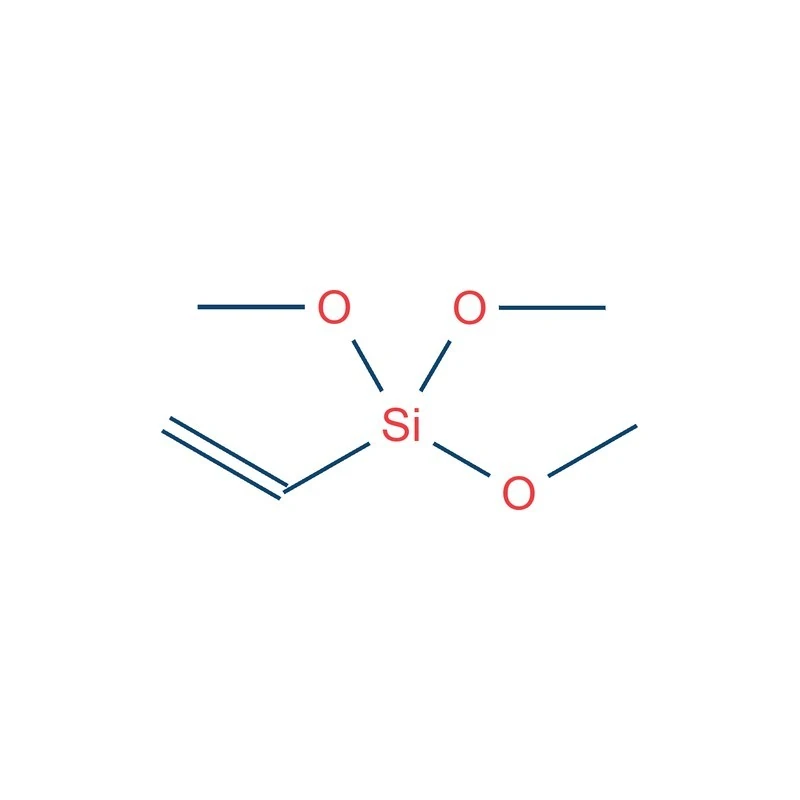
Related Product Lines
Frequently Asked Questions
How are silanes used in cable compounds?
In two ways: to crosslink the insulation and to couple mineral fillers in halogen-free flame-retardant (HFFR) compounds.
How does silane crosslinking of polyethylene work?
Manta V31 grafts to polyethylene with a peroxide initiator in the extruder. The grafted polymer is shaped into cable jacketing or pipe and then crosslinks with moisture.
Which silanes treat ATH and MDH in HFFR compounds?
Manta A110 and Manta V31 treat ATH and MDH to improve filler dispersion.
Talk to our technical team
Tell us your application, target properties and estimated quantity. We will suggest grades and arrange documents or samples.