
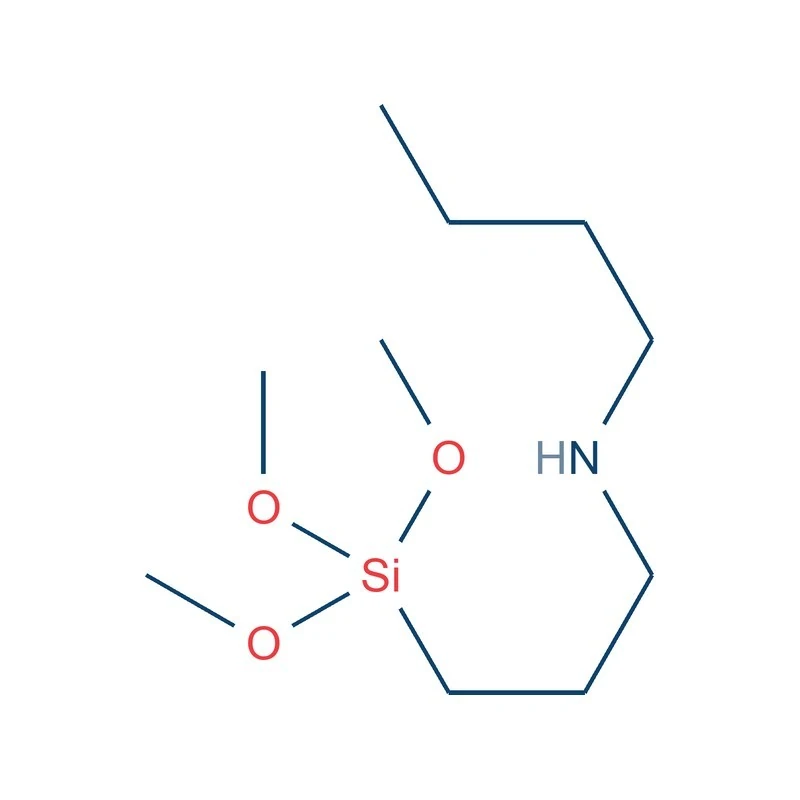

Coating formulators use silanes and silicones to solve a few recurring problems: waterborne systems that must adhere to difficult substrates, facade paints that must shed liquid water yet stay open to vapor, and easy-clean finishes that need low surface energy.
- Adhesion to glass and metal: amino and epoxy silanes such as Manta A110 and Manta E560, as additives or primers.
- Waterborne systems: Manta E563 as adhesion promoter and internal crosslinker in polyurethane dispersions and waterborne acrylics.
- Non-ferrous metals: Manta S31 as an additive or primer for epoxy and polyurethane coatings on metals such as copper and aluminum.
- Facade paints and plasters: silicone resin emulsions Manta WS450 and Manta WS600 as hydrophobic binders, and Manta WS136 as a water-repellent additive for waterborne coatings.
- pH adjustment: Manta WS168 as a silicone-based pH adjuster for architectural coatings.
- Sol-gel and hard coats: Manta P31, co-hydrolyzed with alkyl or epoxy silanes.
- Easy-clean finishes: fluoroalkyl silanes such as Manta F1332, subject to the PFAS rules that apply in your market.
Recommended Grades
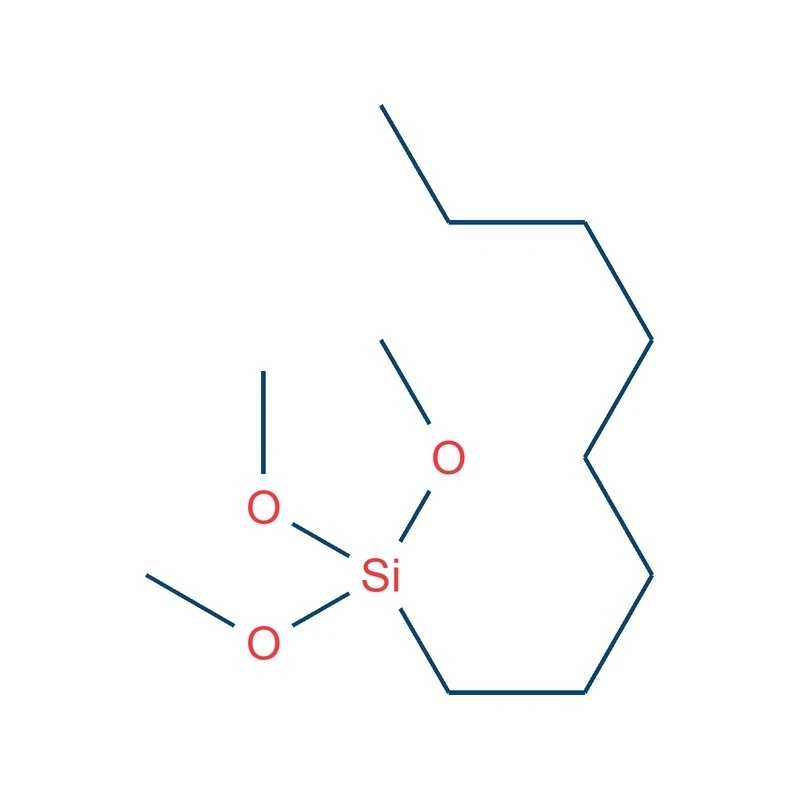
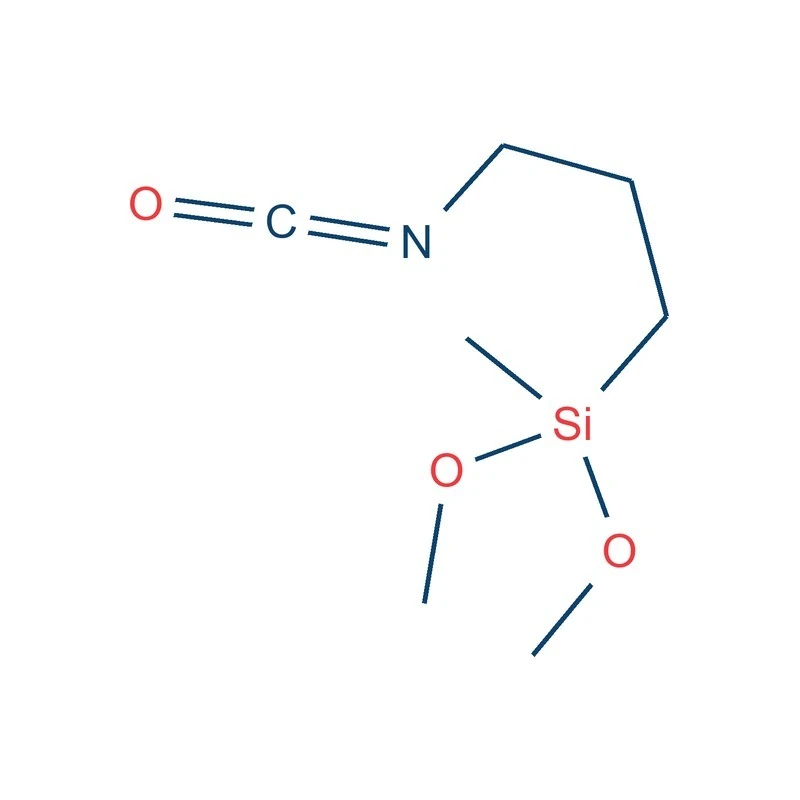
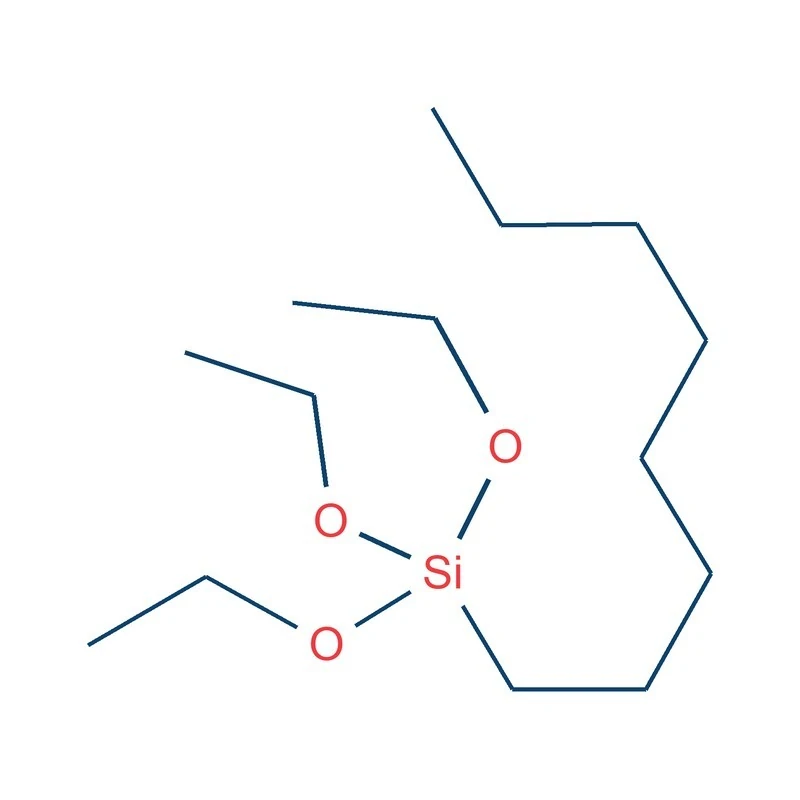
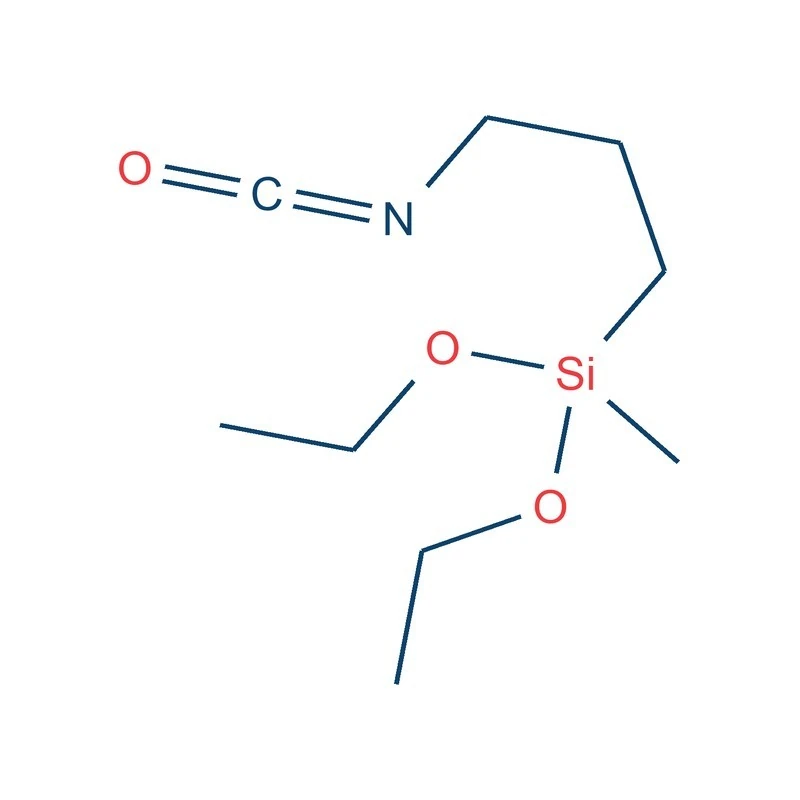
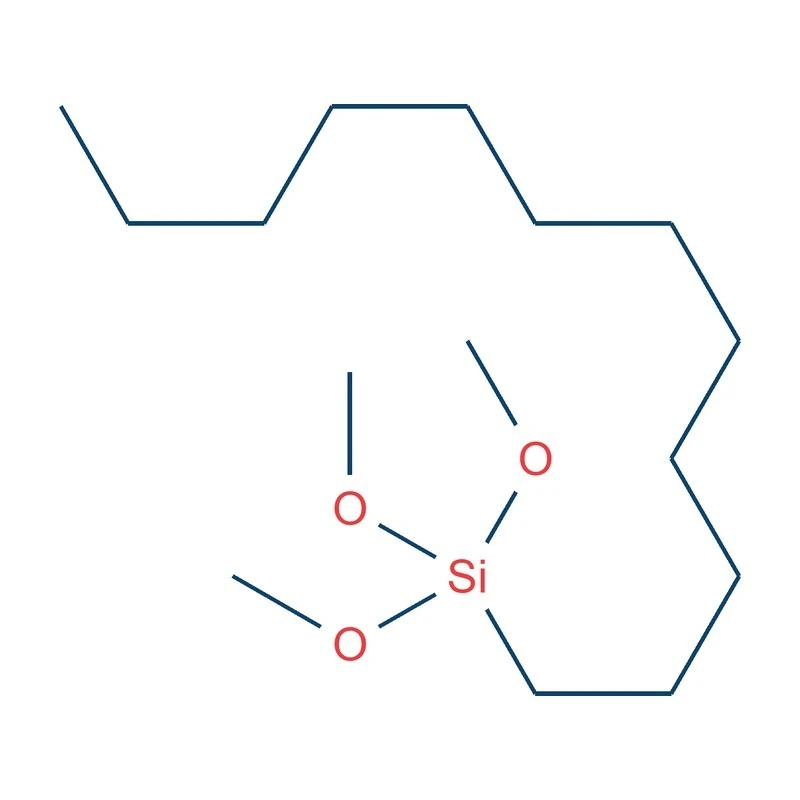
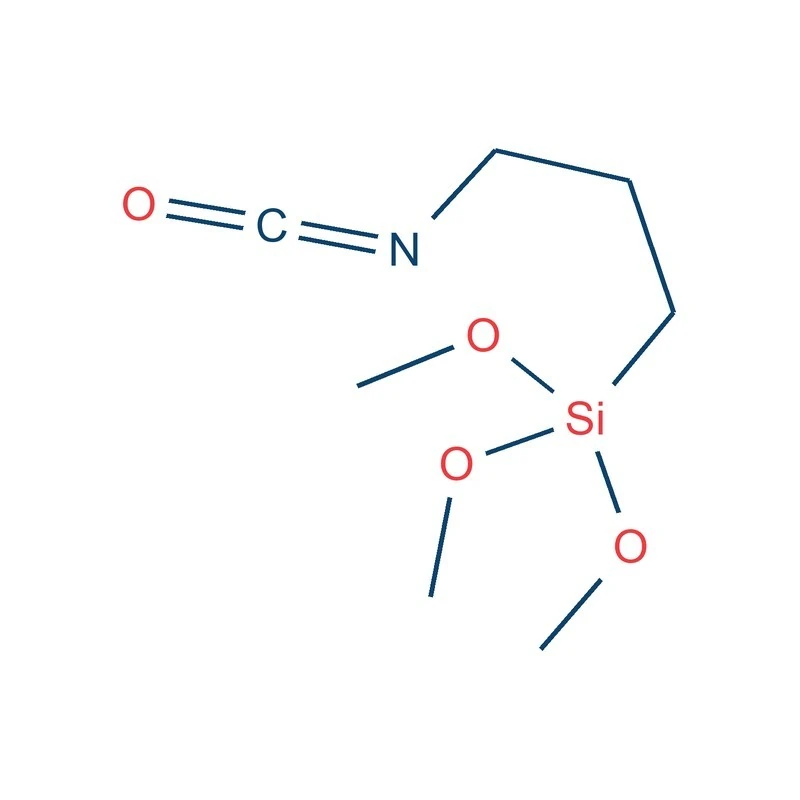
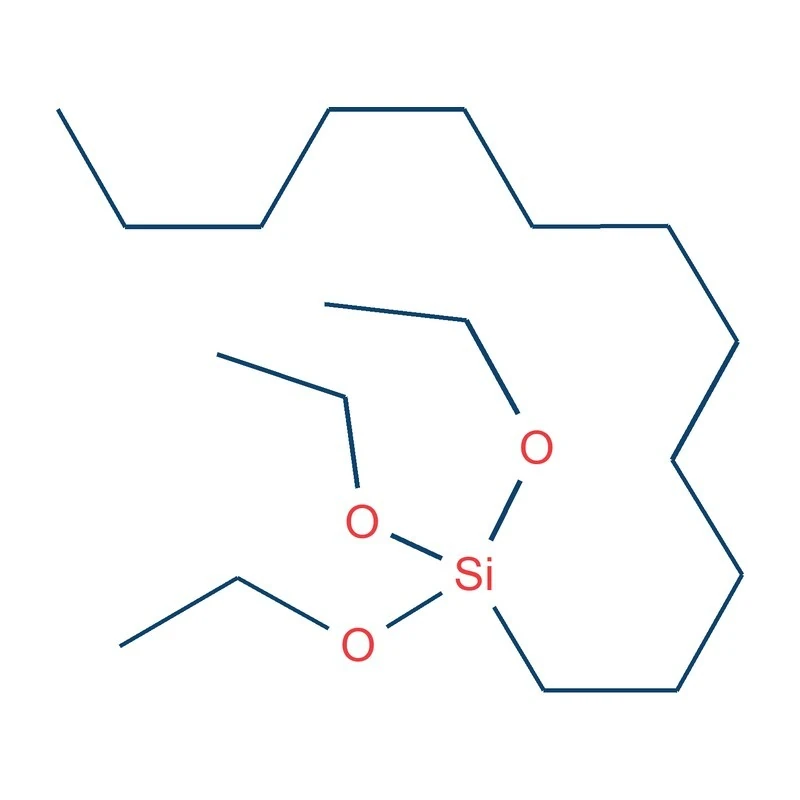
Related Product Lines
Frequently Asked Questions
Which silanes improve adhesion to glass and metal?
Amino and epoxy silanes such as Manta A110 and Manta E560, used as additives or primers.
What can be used in waterborne systems?
Manta E563 works as an adhesion promoter and internal crosslinker in polyurethane dispersions and waterborne acrylics.
What is used in water-repellent facade paints?
Silicone resin emulsions Manta WS450 and Manta WS600 serve as hydrophobic binders, and Manta WS136 as a water-repellent additive for waterborne coatings.
Talk to our technical team
Tell us your application, target properties and estimated quantity. We will suggest grades and arrange documents or samples.