
Fluoro-Silanes
Rain-Repellent Fluoroalkyl Silane (C8, Ethoxy) | Manta F1332
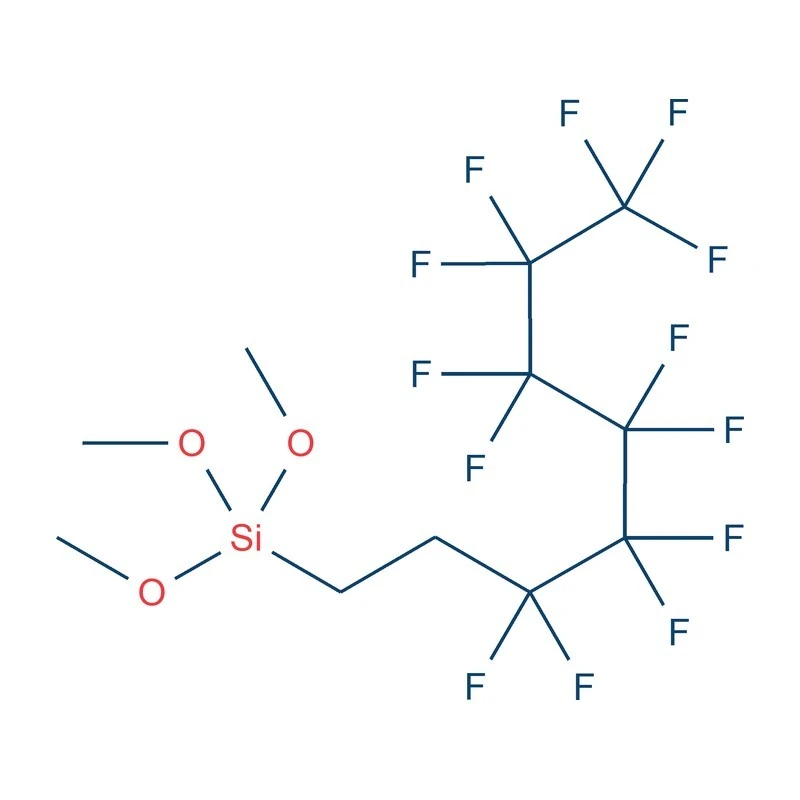
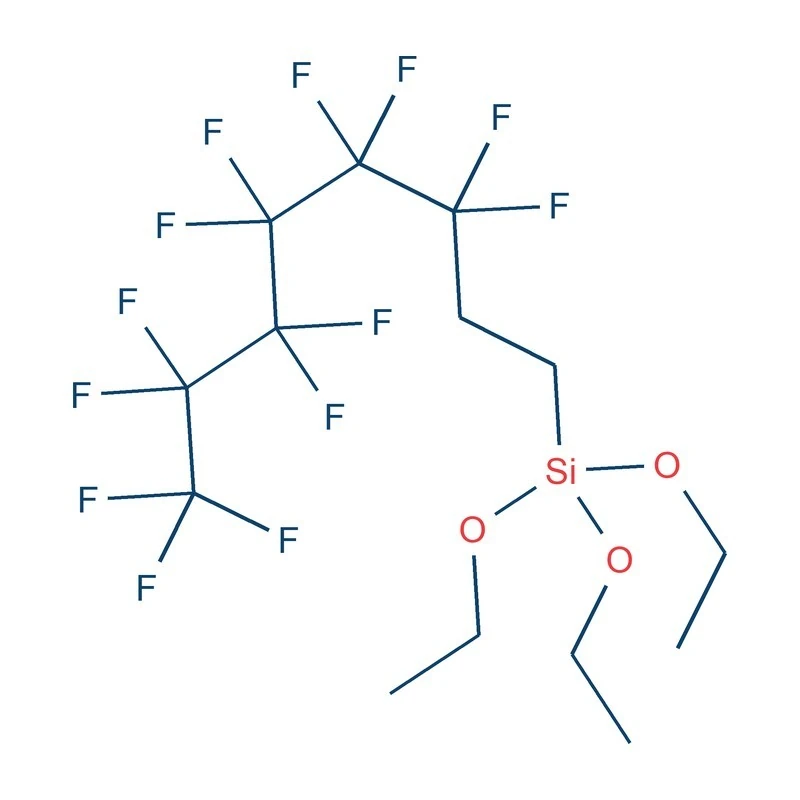
Manta F1332 is 1H,1H,2H,2H-perfluorooctyltriethoxysilane (CAS 51851-37-7), an ethoxy-based fluoroalkyl silane that bonds covalently to inorganic substrates to form a thin, breathable hydrophobic and oleophobic layer, used in anti-graffiti treatments for masonry, automotive glass rain repellents, easy-to-clean ceramics and display coatings. It releases ethanol on hydrolysis.
- Grade
- F1332
- Chemical Name
- 1H,1H,2H,2H-Perfluorooctyltriethoxysilane
- CAS No.
- 51851-37-7
- EINECS
- 257-473-3
- Synonyms
- Triethoxy(3,3,4,4,5,5,6,6,7,7,8,8,8-tridecafluorooctyl)silane
- Form
- Colorless transparent liquid
Overview
Manta F1332 is a fluoroalkyl-functional silane with a highly fluorinated carbon chain, designed to impart liquid repellency and reduce surface energy on inorganic substrates. Once applied, it bonds covalently to the substrate and forms a thin, breathable layer that reduces the adhesion of water, oils, dirt and paints without altering optical clarity or the original appearance.
Its ethoxy groups react with atmospheric moisture and release ethanol rather than methanol, the by-product of Manta F1331, which carries the same fluoroalkyl chain with methoxy groups.
Fluoroalkyl silanes can fall under PFAS rules in a growing number of markets. In the EU, substances of this structure can fall within REACH Annex XVII entry 79 (PFHxA and PFHxA-related substances), which restricts uses including consumer mixtures, textiles and cosmetics. Check the rules for your market and end use before formulating; regulatory status is confirmed by grade at inquiry.
Key Features
- Ethoxy groups that release ethanol rather than methanol on hydrolysis
- Covalent bonding to inorganic substrates
- Thin, breathable layer that keeps the substrate's appearance and optical clarity
- Hydrophobic and oleophobic, for easy-to-clean, anti-smudge and anti-graffiti performance
Cross-Reference
Manta F1332 can be considered as an alternative to Evonik Dynasylan F 8261.
Trademarks are the property of their respective owners; no affiliation is implied.
Specifications
| Property | Typical Value |
|---|---|
| Appearance | Colorless transparent liquid |
| Purity (by GC, %) | 97.0 min |
| Density (ρ20°C, g/cm³) | Approx. 1.330 |
| Refractive Index (nD 25°C) | Approx. 1.344 |
Typical values from the current Technical Data Sheet.
Applications
- Masonry protection: active ingredient for invisible anti-graffiti coatings on concrete, natural stone and brickwork
- Automotive glass: rain repellent treatments for windshields and exterior mirrors
- Sanitary ceramics and shower glass: hydrophobic and oleophobic modification that reduces the adhesion of limescale, soap scum and body oils
- Optics and displays: thin anti-fingerprint and anti-smudge coatings on optical lenses, camera covers and touch screens
- Sol-gel systems: surface energy-reducing additive in alcohol-based or water-based sol-gel coatings
Related applications: Concrete, Masonry & Stone Protection · Paints & Coatings
Packaging & Storage
Supplied in 20 kg pail, 180 kg drum and 900 kg IBC.
Safety and Storage
Keep in a cool and dry place and avoid storage in direct sunlight. Shelf life is 12 months. Not regulated as dangerous goods for transport; refer to the Safety Data Sheet for hazard classification and safe handling.
Documents
- Technical Data Sheet · PDF Download TDS
- SDS and COA · on request Request Documents
Frequently Asked Questions
Should I choose Manta F1332 or Manta F1331?
Both carry the same fluoroalkyl chain. F1332 has ethoxy groups and releases ethanol on hydrolysis, while F1331 has methoxy groups and releases methanol. Choose by the hydrolysis by-product your process can accept and by the solvent system.
How does Manta F1332 work in automotive rain repellents?
It raises the water contact angle of the glass, so rain beads up and rolls off at driving speed. It is formulated into treatments for windshields and exterior mirrors.
Can Manta F1332 be used on porous mineral substrates?
Yes. It is an active ingredient for invisible anti-graffiti coatings on concrete, natural stone and brickwork, where it creates an oil-repellent barrier that limits the penetration of spray paints, markers and pollutants.
Is Manta F1332 subject to PFAS regulations?
F1332 is a fluoroalkyl silane, so PFAS rules can apply. In the EU, substances of this structure can fall within REACH Annex XVII entry 79, which restricts PFHxA and PFHxA-related substances in uses including consumer mixtures, textiles and cosmetics. Check your market and end use; contact us to confirm the regulatory status of this grade.
Related Products
F1332 is one step in the building protection formulation chain. One inquiry can cover the other raw materials in your formulation, with samples, technical documents, quotation and shipment handled together.

Looking for a different purity, functional group, or a structure not listed here? Contact our technical team.
Talk to our technical team
Tell us your application, target properties and estimated quantity. We will suggest grades and arrange documents or samples.