
Silanes & Alkyl Silanes
Isooctyltriethoxysilane | Manta LO320
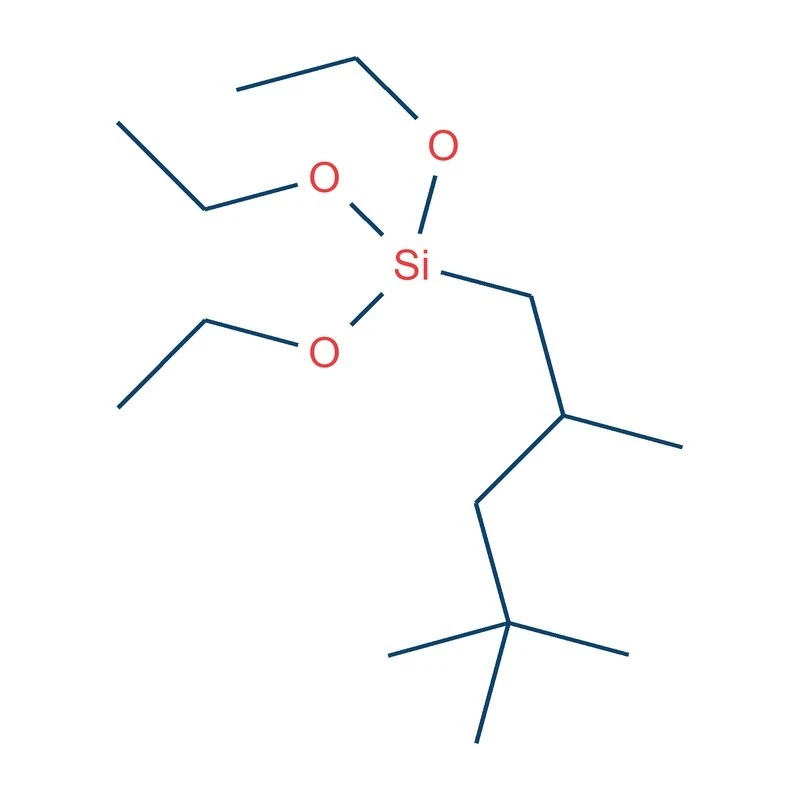
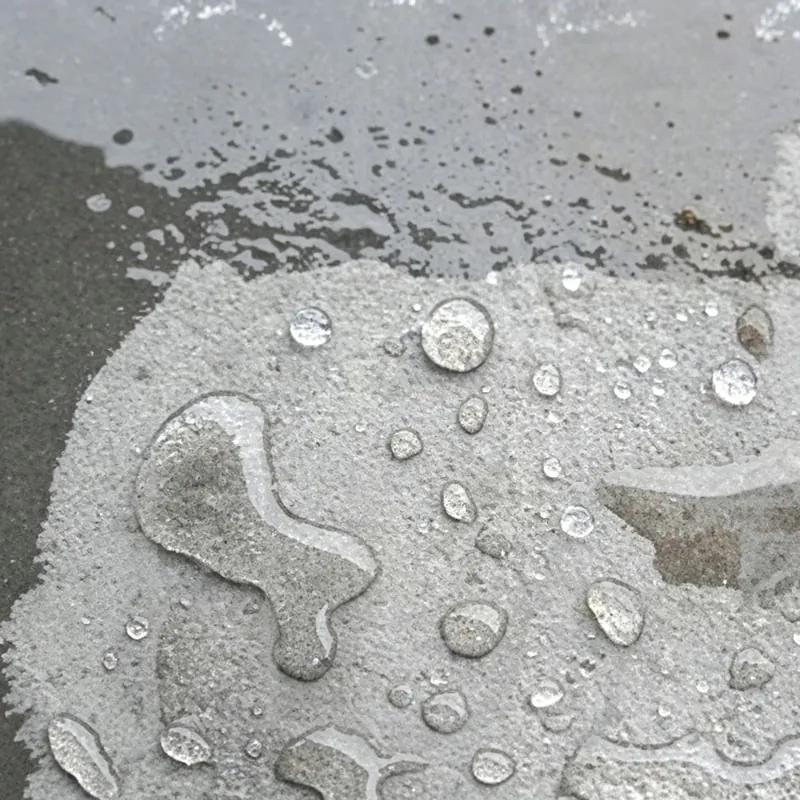
Manta LO320 is isooctyltriethoxysilane (CAS 35435-21-3), a monomeric branched alkyl silane used as a penetrating water repellent for concrete, masonry and stone and as a surface modifier for mineral fillers and pigments. It repels water and waterborne chloride ions while retaining the substrate's appearance and water vapor permeability.
- Grade
- LO320
- Chemical Name
- isooctyltriethoxysilane
- CAS No.
- 35435-21-3
- EINECS
- 252-558-1
- Formula
- C14H32O3Si
- Synonyms
- Triethoxy(2,4,4-trimethylpentyl)silane
- Form
- Colorless transparent liquid
Overview
Manta LO320 is isooctyltriethoxysilane, a monomeric, medium-chain alkyl functional silane used as a penetrating water repellent for concrete and cementitious substrates.
The branched eight-carbon isooctyl group gives very low volatility and steric hindrance against alkali attack. The small molecular size allows LO320 to penetrate capillary pores, where it bonds with the substrate to form a three-dimensional hydrophobic network that repels water and waterborne chloride ions while retaining the original appearance and water vapor permeability.
Its ethoxy groups hydrolyze on contact with atmospheric moisture or water in the substrate and release ethanol rather than methanol. For work in enclosed structures such as parking garages and basements this is a relevant selection factor; follow the Safety Data Sheet for ventilation and handling.
Key Features
- Branched isooctyl group with very low volatility and steric hindrance against alkali attack
- Small molecular size for penetration into capillary pores
- Repels water and waterborne chloride ions
- Retains the substrate's original appearance and water vapor permeability
- Releases ethanol rather than methanol on hydrolysis
Cross-Reference
Manta LO320 can be considered as an alternative to Wacker SILRES BS 1701.
Trademarks are the property of their respective owners; no affiliation is implied.
Specifications
| Property | Typical Value |
|---|---|
| Molecular Weight | 276.49 |
| Appearance | Colorless transparent liquid |
| Purity (by GC, %) | 98.0 min |
| Flash Point | 63°C |
| Specific Gravity (ρ20°C, g/cm3) | 0.879 |
| Refractive Index (nD 25°C) | 1.410 |
Typical values from the current Technical Data Sheet.
Applications
- Architectural water repellent: forms a penetrating hydrophobic barrier on concrete, masonry and stone, helping to limit water ingress, freeze-thaw damage and chloride-induced rebar corrosion
- Indoor infrastructure: water-repellent treatment for parking garages and basements
- Filler surface treatment: ATH, silica and calcium carbonate, improving dispersibility and compatibility in non-polar plastics, rubbers and resin matrices
- Pigments and coatings: wetting and uniform dispersion of treated pigments such as TiO2 in industrial coatings and masterbatches, reducing viscosity and limiting agglomeration
Related applications: Concrete, Masonry & Stone Protection · Paints & Coatings · Plastics & Masterbatches
Packaging & Storage
Supplied in 20 kg pail, 180 kg drum and 800 kg IBC.
Safety and Storage
Keep in a cool and dry place and avoid storage in direct sunlight. Shelf life is 12 months. Refer to the Safety Data Sheet for hazard classification and safe handling.
Documents
- Technical Data Sheet · PDF Download TDS
- SDS and COA · on request Request Documents
Frequently Asked Questions
Should I choose Manta LO320 or the LO320E paste?
LO320 is the liquid silane. LO320E is a thixotropic paste of the same active ingredient, with an active content of about 80%, designed for thick, single-coat application on vertical and overhead surfaces without sagging or dripping. Where extended contact time on such surfaces matters, the paste is the form to evaluate.
What does the branched isooctyl structure contribute to water repellency?
The branched eight-carbon isooctyl group gives very low volatility and steric hindrance against alkali attack, while the molecule remains small enough to penetrate capillary pores and bond into a hydrophobic network without changing the substrate's appearance or water vapor permeability.
Why is Manta LO320 considered for parking garages and basements?
Its ethoxy groups hydrolyze with moisture and release ethanol rather than methanol, which is a relevant selection factor for work in enclosed structures. Ventilation and personal protection still apply. The SDS is available on request.
Related Products
LO320 is one step in the building protection formulation chain. One inquiry can cover the other raw materials in your formulation, with samples, technical documents, quotation and shipment handled together.
- Alkyl Silane Actives
- Emulsions & Pastes
- Siliconate Liquids & Powders
- Waterproof Coatings
Looking for a different purity, functional group, or a structure not listed here? Contact our technical team.
Talk to our technical team
Tell us your application, target properties and estimated quantity. We will suggest grades and arrange documents or samples.