
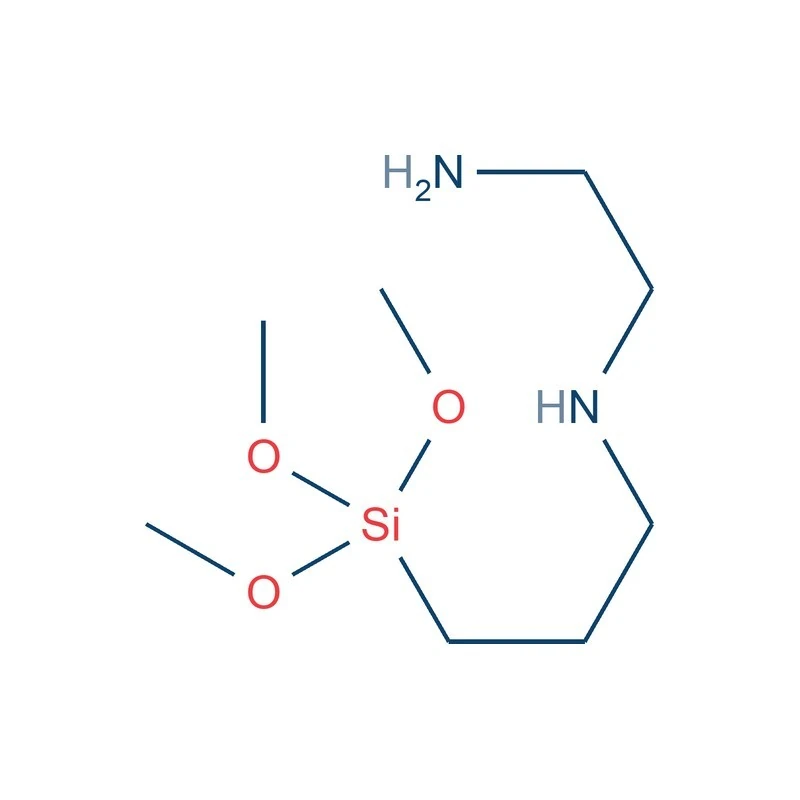
Adhesion Promoters
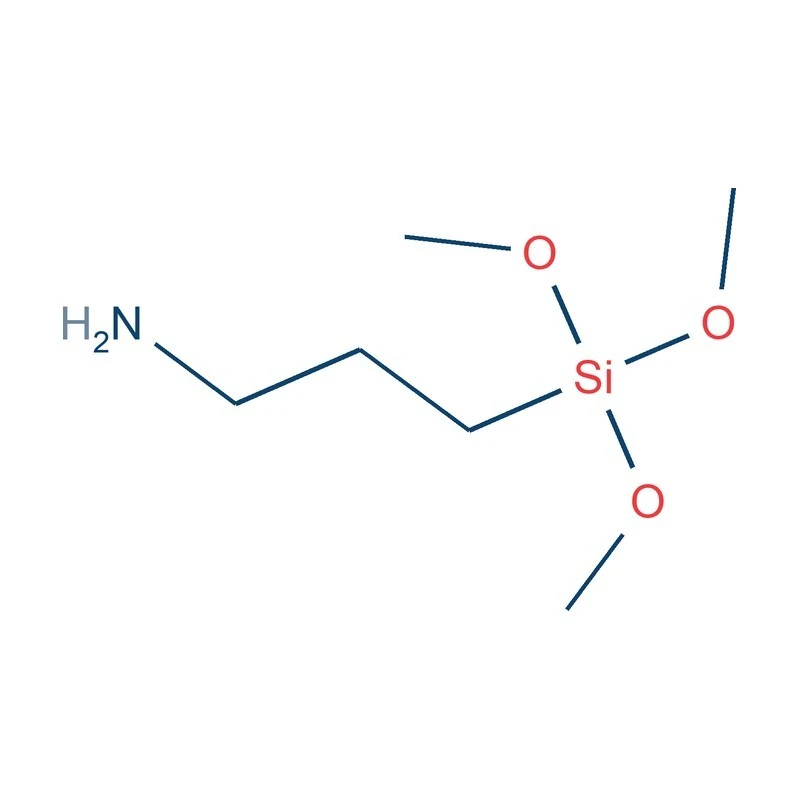
3-Aminopropyltrimethoxysilane (APTMS) | Manta A111
Manta A111 is 3-aminopropyltrimethoxysilane (CAS 13822-56-5), a primary amino silane used as an adhesion promoter and coupling agent in RTV silicones, MS Polymer and SPUR hybrid sealants and polyurethane primers. It improves bonding to difficult plastics such as ABS, PVC and polystyrene as well as glass and metals, and releases methanol on hydrolysis.
- Grade
- A111
- Chemical Name
- 3-Aminopropyltrimethoxysilane
- CAS No.
- 13822-56-5
- EINECS
- 237-511-5
- Formula
- C6H17NO3Si
- Form
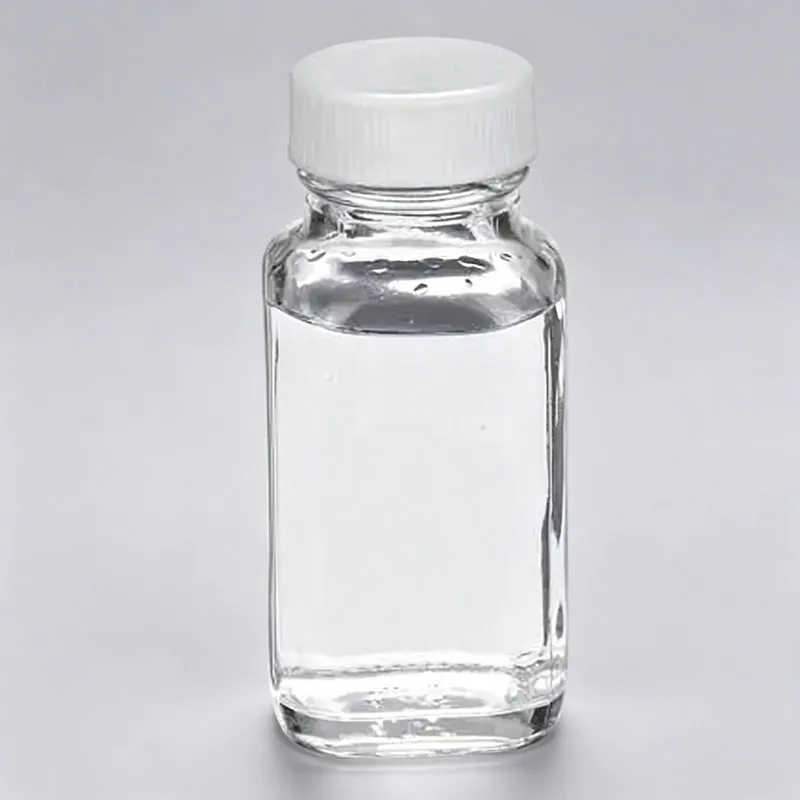
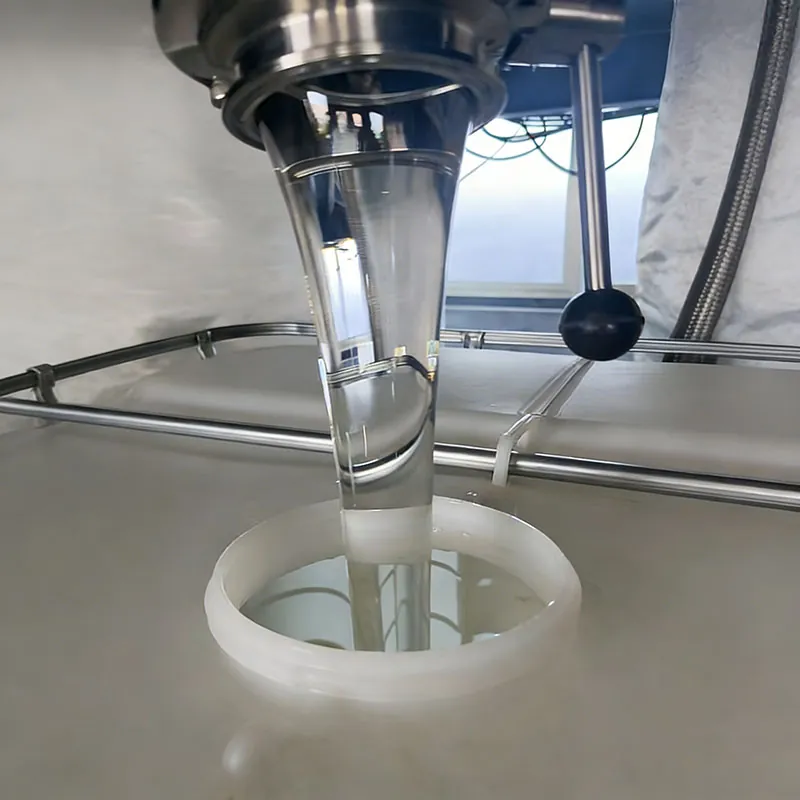
- Colorless transparent liquid
Overview
Manta A111 is a primary amino-functional silane with three hydrolyzable methoxy groups. The primary amine group (-NH2) reacts rapidly with a wide array of organic polymers, while the methoxysilyl groups provide crosslinking and covalent bonding to inorganic substrates.
It is a key compounding ingredient for improving the adhesion of sealants, adhesives and coatings to difficult-to-bond surfaces, and it is used to modify phenolic, melamine and epoxy resins for better moisture resistance and mechanical strength in composites.
A111 is the methoxy counterpart of Manta A110, which releases ethanol rather than methanol on hydrolysis. Because its primary amine reacts instantly with isocyanates, A111 should not be added directly to unreacted one-part polyurethane prepolymers; those systems require a secondary amino silane such as Manta A431 or a latent silane.
Key Features
- Primary amine group reacts rapidly with a wide array of organic polymers
- Methoxysilyl groups provide crosslinking and covalent bonding to inorganic substrates
- Improves adhesion to ABS, PVC, polystyrene, glass and metals
- Active component in primers for polyurethane and hybrid sealants
- Hydrolyzes rapidly in atmospheric moisture, releasing methanol
- Best used in two-part systems or as a separate surface primer
Cross-Reference
Manta A111 can be considered as an alternative to Momentive Silquest A-1110, Evonik Dynasylan AMMO and Shin-Etsu KBM-903.
Trademarks are the property of their respective owners; no affiliation is implied.
Specifications
| Property | Typical Value |
|---|---|
| Appearance | Colorless transparent liquid |
| Color (Pt-Co) | 30 max |
| Density (ρ20°C, g/cm³) | 1.0050–1.0150 |
| Refractive Index ( n 25°C ) | 1.4205–1.4225 |
| Purity (by GC,%) | 97.0 min; 98.0 min grade available |
Typical values from the current Technical Data Sheet.
Applications
- RTV silicones and hybrid systems: internal adhesion promoter in room temperature vulcanizing (RTV) silicones, MS Polymers and SPUR hybrid sealants
- Difficult substrates: bonding to difficult-to-bond plastics and polymers including ABS, PVC and polystyrene, as well as glass and metals
- Primer systems: active component in surface primers for polyurethane and hybrid sealant applications
- Resin modification: modification of phenolic, melamine and epoxy resins to improve moisture resistance and mechanical strength in composites
Formulation & Handling Guidelines
- High Reactivity (CRITICAL): Because Manta A111 contains a highly reactive primary amine group, it reacts violently and instantly with isocyanates (-NCO) and epoxies. Do not add A111 directly into unreacted polyurethane prepolymers (one-part PU systems), as it will cause instant gelling. For one-part PU systems, secondary amines (like Manta A431) or latent silanes are required. A111 is best used in two-part systems or as a separate surface primer.
- Hydrolysis: Hydrolyzes rapidly in the presence of atmospheric moisture, releasing methanol. The resulting silanols will condense to form crosslinked siloxane networks.
Related applications: Adhesives & Sealants · Composites & Fiberglass · Plastics & Masterbatches
Packaging & Storage
Supplied in 25 kg pail, 200 kg drum and 1000 kg IBC.
Safety and Storage
Keep away from heat and open flame. When stored at or below 25°C in the original unopened containers, Shelf life is 24 months. It’s shipped as hazardous material.
Documents
- Technical Data Sheet · PDF Download TDS
- SDS and COA · on request Request Documents
Frequently Asked Questions
Can Manta A111 be added directly to one-part polyurethane prepolymers?
No. Its primary amine reacts instantly with free isocyanate (-NCO) groups and causes immediate gelling of unreacted polyurethane prepolymers. One-part polyurethane systems require a secondary amino silane such as Manta A431 or a latent silane. A111 is best used in two-part systems or as a separate surface primer.
Which hard-to-bond substrates does Manta A111 work on?
It is used for bonding difficult-to-bond plastics and polymers including ABS, PVC and polystyrene, as well as glass and metals, and as an active component in primers for polyurethane and hybrid sealants.
What happens when Manta A111 contacts atmospheric moisture?
The methoxy groups hydrolyze rapidly and release methanol, and the resulting silanols condense to form crosslinked siloxane networks.
Is Manta A111 shipped as a hazardous material?
Yes. It is shipped as hazardous material. Keep away from heat and open flame. Stored at or below 25°C in the original unopened containers, shelf life is 24 months. It is supplied in 25 kg pail, 200 kg drum and 1000 kg IBC.
Is a sample of Manta A111 available for evaluation?
Yes. Samples are charged. The sample fee includes courier delivery and is deducted from your first formal order. Use Request a Sample and include the quantity and your application. The TDS is on this page; SDS and COA are available on request.
Related Products
A111 is one step in the sealant and adhesive formulation chain. One inquiry can cover the other raw materials in your formulation, with samples, technical documents, quotation and shipment handled together.
- End Cappers
- MS, STPE & SPUR Polymers
- Adhesion Promoters
- Water Scavengers
- Crosslinkers
- Catalysts
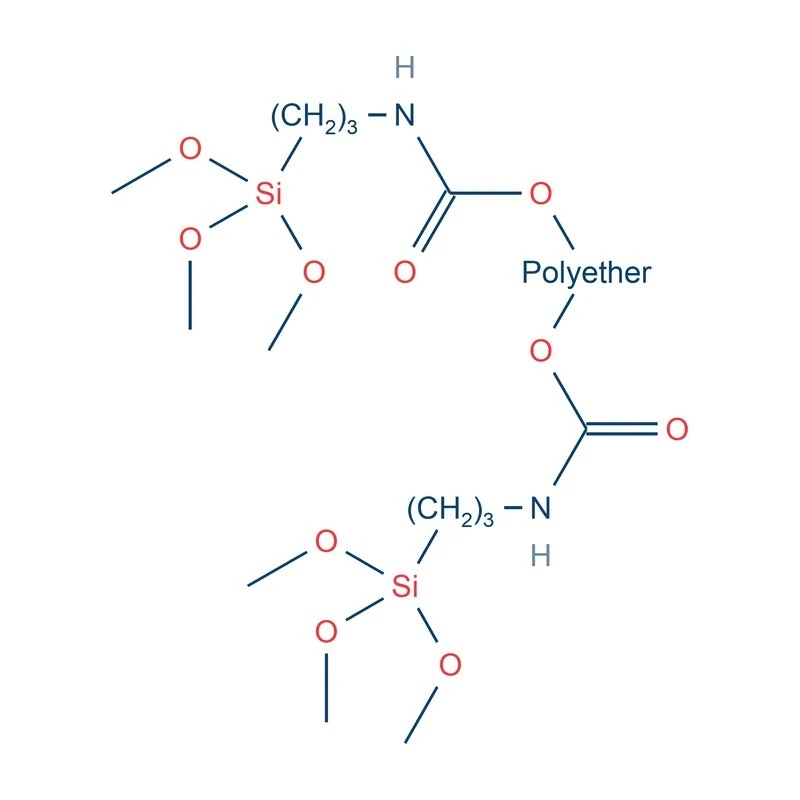
Looking for a different purity, functional group, or a structure not listed here? Contact our technical team.
Talk to our technical team
Tell us your application, target properties and estimated quantity. We will suggest grades and arrange documents or samples.