
Catalysts
Dibutyltin Dilaurate (DBTDL) | Manta CAT-DBTDL
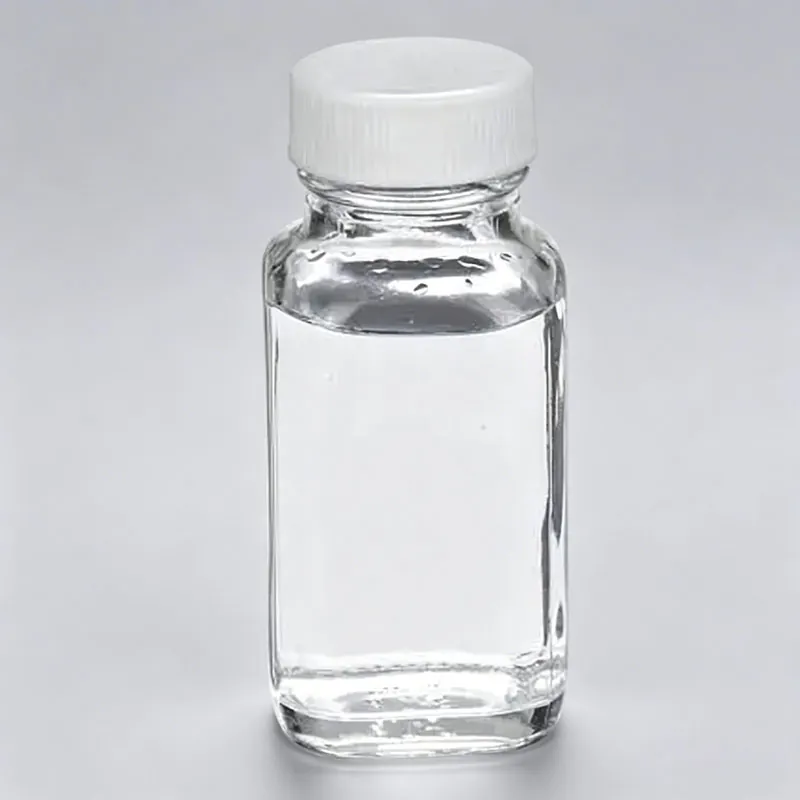
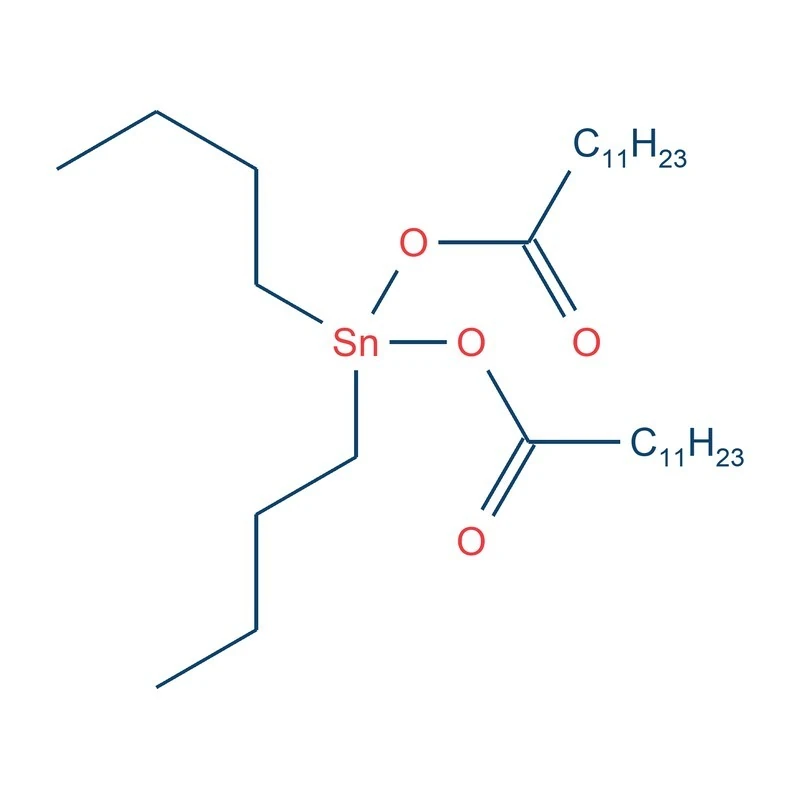
Manta CAT-DBTDL is dibutyltin dilaurate (CAS 77-58-7), an organotin catalyst with a balanced profile for the isocyanate-hydroxyl reaction and silanol condensation, used in polyurethane coatings, elastomers and foams, RTV silicones and silane-modified polymer sealants, and as a heat stabilizer for specialized PVC compounds.
- Grade
- CAT-DBTDL
- Chemical Name
- Dibutyltin dilaurate
- CAS No.
- 77-58-7
- EINECS
- 201-039-8
- Formula
- C32H64O4Sn
- Form
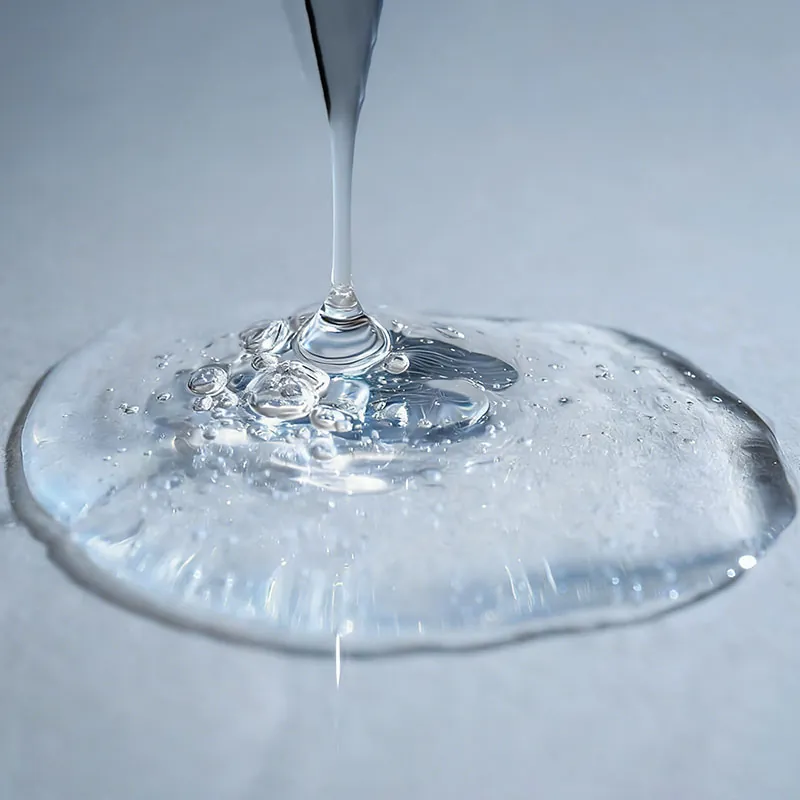
- Slightly yellow transparent liquid
Overview
Manta CAT-DBTDL is a dibutyltin dilaurate catalyst widely used in polyurethane and silicone chemistry. It dissolves well in polyols and solvents and gives consistent curing rates. Beyond catalysis, it also serves as a heat stabilizer in specialized PVC applications.
Manta CAT-DBTA has a higher tin content and shorter gel and tack-free times, while the CAT-DBTDL TDS describes reliable, predictable gelation and cure kinetics in polyurethane systems. It is effective at low dosage levels; see the TDS for the typical range.
Dibutyltin compounds are regulated in several markets. In the EU, REACH Annex XVII entry 20 restricts them in mixtures and articles supplied to the general public above the tin limit set in that entry. CAT-DBTDL is intended for industrial formulation. Check the rules for your market and end use, and refer to the Safety Data Sheet.
Key Features
- Reliable, predictable gelation and cure kinetics in polyurethane systems
- Miscible with polyols, polyethers and a wide range of organic solvents
- Works both as a polymerization catalyst and as a thermal stabilizer for PVC compounds
- Effective at low dosage levels
Specifications
| Property | Typical Value |
|---|---|
| Molecular Weight | 631.56 |
| Appearance | Slightly yellow transparent liquid |
| Density (ρ25°C, g/cm³) | 1.040-1.080 |
| Tin Content (%) | 18.0%-19.2% |
Typical values from the current Technical Data Sheet.
Applications
- Polyurethane coatings: 2K systems for automotive OEM, refinish and industrial wood coatings
- Elastomers and sealants: polyurethane elastomers, CASE applications and sports flooring
- Polyurethane foams: gelling in specialty foam formulations
- RTV silicones: condensation of silanol-terminated polymers with crosslinkers
- Silane-modified polymers: secondary or primary catalyst for deep-section cure in moisture-curing hybrid adhesives and sealants
- PVC and esterification: heat stabilizer for soft, transparent PVC compounds, and catalyst in polyester and plasticizer synthesis
Related applications: Adhesives & Sealants · Paints & Coatings · Plastics & Masterbatches · Rubber & Tires
Packaging & Storage
Supplied in 25 kg pail, 200 kg drum.
Safety and Storage
Keep away from heat and open flame. When stored at or below 25°C in the original unopened containers, this product has a usable life of 12 months from the date of production (200 kg drum).
Documents
- Technical Data Sheet · PDF Download TDS
- SDS and COA · on request Request Documents
Frequently Asked Questions
Can Manta CAT-DBTDL be used to cure MS polymer sealants?
Yes. It works as a secondary or primary catalyst in moisture-curing hybrid adhesives and sealants based on silane-modified polymers, supporting deep-section cure. Confirm the cure profile in your own formulation.
How much Manta CAT-DBTDL should I add?
It is effective at very low dosage levels, typically 0.01% – 0.5%. The right level depends on the resin system, target pot life and temperature, so confirm it in your own formulation.
How do Manta CAT-DBTDL and Manta CAT-DBTA differ?
CAT-DBTDL has a tin content of 18.0%-19.2% and a balanced catalytic profile. CAT-DBTA has a tin content of 33.4% – 34.4% and gives shorter gel and tack-free times.
Can Manta CAT-DBTDL be used in products for consumers?
Dibutyltin compounds are restricted in the EU in mixtures and articles supplied to the general public above the tin limit in REACH Annex XVII entry 20. CAT-DBTDL is intended for industrial formulation. Check the rules for your market and end use.
Related Products
CAT-DBTDL is one step in the sealant and adhesive formulation chain. One inquiry can cover the other raw materials in your formulation, with samples, technical documents, quotation and shipment handled together.
Looking for a different purity, functional group, or a structure not listed here? Contact our technical team.
Talk to our technical team
Tell us your application, target properties and estimated quantity. We will suggest grades and arrange documents or samples.