
MS Polymer Type STPE
Silane Terminated Polyether Polymer | Manta MS27
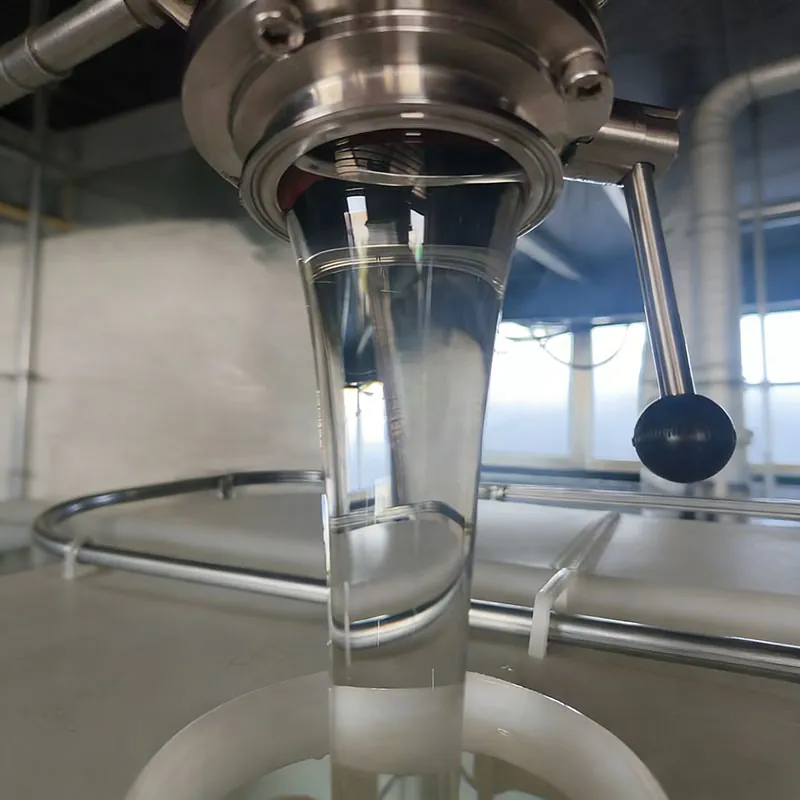
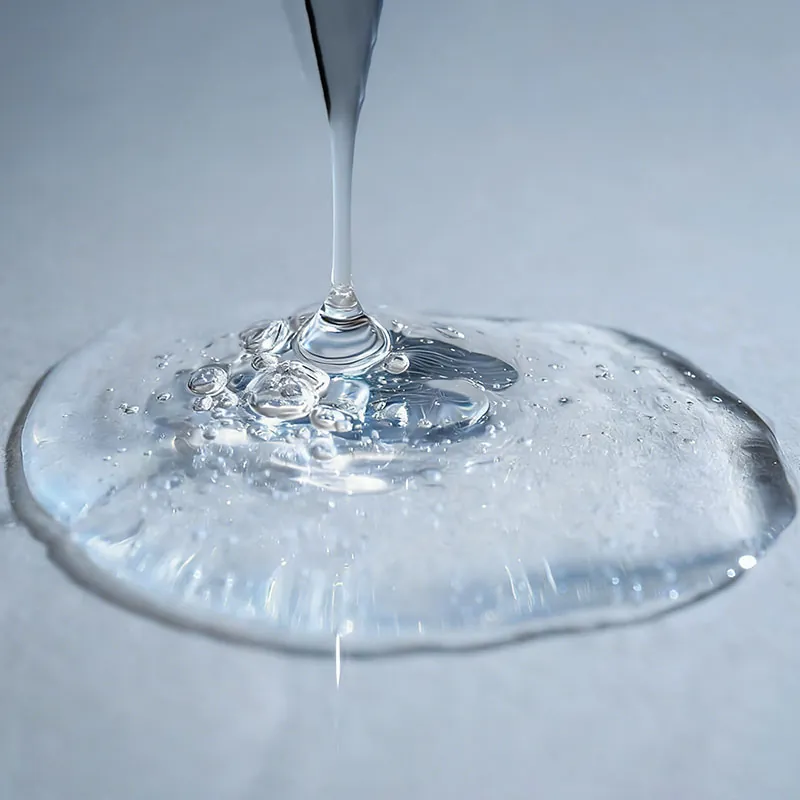
Manta MS27 is a silyl-terminated polyether (STPE) with high reactivity and low modulus, used as the base resin for moisture-curing elastic sealants, structural adhesives and protective coatings in construction, transportation and DIY markets. It can be formulated without solvents or isocyanates in 1K and 2K systems.
- Grade
- MS27
- Chemical Name
- Silyl-terminated polyether (STPE)
- Form
- Transparent to slightly yellow viscous liquid
Overview
Manta MS27 is an alkoxy-silane terminated polyether polymer designed for moisture-curing systems. It serves as the main binder in elastic sealants, structural adhesives, potting compounds and protective coatings, and can be formulated as a one-component (1K) or two-component (2K) system.
Compared with conventional polyurethane and silicone technologies, MS27-based formulations can be made without solvents and isocyanates. They cure bubble-free with low odor, which improves the working environment, and adhere to a wide range of substrates without a primer.
MS27 shares its high-activity, low-modulus profile with Manta MS201S and is the higher-viscosity of the two. It can also be blended with other polymers for tailored formulations.
Key Features
- High reactivity with low modulus for flexible, stress-relaxing joints
- Dependable bonding on many different substrates
- Fast curing; tin-free catalysts can be used
- Good weathering and yellowing resistance
- Good resistance to water and chemicals
- High elastic recovery after repeated movement
- Good storage stability
- Solvent-free with low odor; suitable for low-VOC products
- Compatible with other polymers for tailored formulations
Cross-Reference
Performance similar to Kaneka S327.
Trademarks are the property of their respective owners; no affiliation is implied.
Specifications
| Property | Typical Value |
|---|---|
| Appearance | Transparent to slightly yellow viscous liquid |
| Viscosity (25 °C) | 28,000 – 38,000 mPa·s |
| Boiling Point | > 250 °C |
| Density (25 °C) | approx. 1.0 g/cm³ |
| Flash Point | ≥ 237 °C |
| Water Solubility | Practically insoluble |
| Activity | High |
| Modulus | Low |
Typical values from the current Technical Data Sheet.
Applications
- Construction: low-modulus sealants for expansion joints and facades
- Transportation: elastic bonding and sealing in rail, automotive and specialty vehicles
- DIY: user-friendly sealants for consumers
- Interior finishing: solvent-free, low-odor decorative sealants
Processing
Manta MS27 dissolves readily in common organic solvents such as ethanol but hardly in water, so plasticizers, additives and other formulation components should be oil-soluble.
Cure chemistry: the silane end groups react in two stages:
- Hydrolysis: atmospheric moisture converts the silane end groups into reactive silanols.
- Condensation: with a catalyst, the silanols condense to Si–O–Si bonds and build a three-dimensional network.
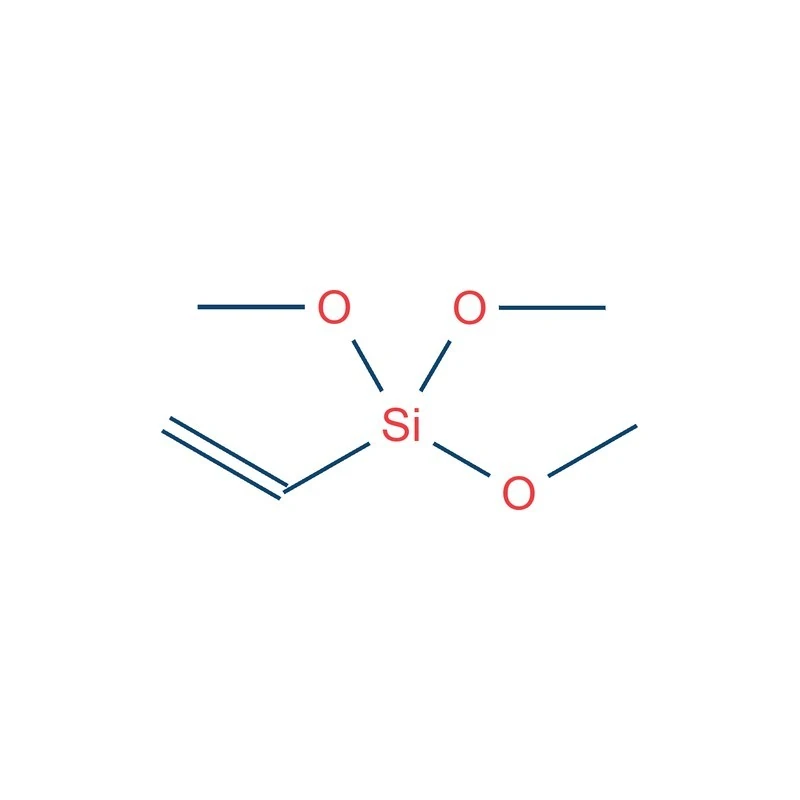
Moisture control: the uncatalyzed polymer tolerates air for a limited time, but humidity must be controlled. Dry all raw materials and add a moisture scavenger such as vinyltrimethoxysilane (VTMO) to avoid premature gelation and secure shelf life.
Equipment: standard mixers such as planetary mixers are suitable. Contact Manta technical service for formulation support.
Cleaning
Before curing, the product can be removed with common organic solvents such as ethanol or dimethyl carbonate (DMC); after curing it can only be removed mechanically.
Related applications: Adhesives & Sealants
Related reading: Difference Between MS, STPE, SMP, STPU and SPU
Packaging & Storage
50 kg plastic drum with aluminum-foil liner bag;
200 kg drum with aluminum-foil liner bag;
1,000 kg IBC (tote);
Other pack sizes available on request.
Safety and Storage
Store in the tightly closed original container in a cool, dry place, protected from moisture and direct sunlight. Shelf life: 12 months from the date of production when stored as recommended. The product is classified as non-hazardous. Refer to the current Safety Data Sheet (SDS) for safety, handling and transport information.
Note: The values in this data sheet are typical values and are not intended for use in preparing specifications. Users should test the product to determine its suitability for their specific application.
Documents
- Technical Data Sheet · PDF Download TDS
- SDS and COA · on request Request Documents
Frequently Asked Questions
Does Manta MS27 require a tin catalyst for fast curing?
Tin-free catalysts can be used with MS27, so the catalyst system can be chosen to suit the target cure speed and the requirements of the finished product. Confirm the cure profile in your own formulation.
How do Manta MS27 and Manta MS201S differ?
Both are high-activity, low-modulus silyl-terminated polyethers. The main difference is viscosity: MS27 is 28,000 – 38,000 mPa·s at 25 °C, while MS201S is 18,000 – 28,000 mPa·s at 25 °C, so the choice depends on the flow behavior your compounding process needs.
Why must raw materials be dehydrated when compounding MS27?
MS27 reacts with moisture, so residual water in fillers or plasticizers can cause premature gelation and shorten shelf life. Dry all raw materials and add a moisture scavenger such as vinyltrimethoxysilane (Manta V31).
How can uncured MS27 be removed from tools and equipment?
Before curing, MS27 can be removed with common organic solvents such as ethanol or dimethyl carbonate (DMC). After curing it can only be removed mechanically.
Can I test Manta MS27 before placing an order?
Yes. Samples are charged. The sample fee includes courier delivery and is deducted from your first formal order. Use Request a Sample and tell us the quantity and your application. The TDS is on this page; SDS and COA are available on request.
Related Products
MS27 is one step in the sealant and adhesive formulation chain. One inquiry can cover the other raw materials in your formulation, with samples, technical documents, quotation and shipment handled together.
- End Cappers
- MS, STPE & SPUR Polymers
- Adhesion Promoters
- Water Scavengers
- Crosslinkers
- Catalysts
Manta V31
Vinyl-Functional Silane (VTMO) / Crosslinker & Moisture Scavenger
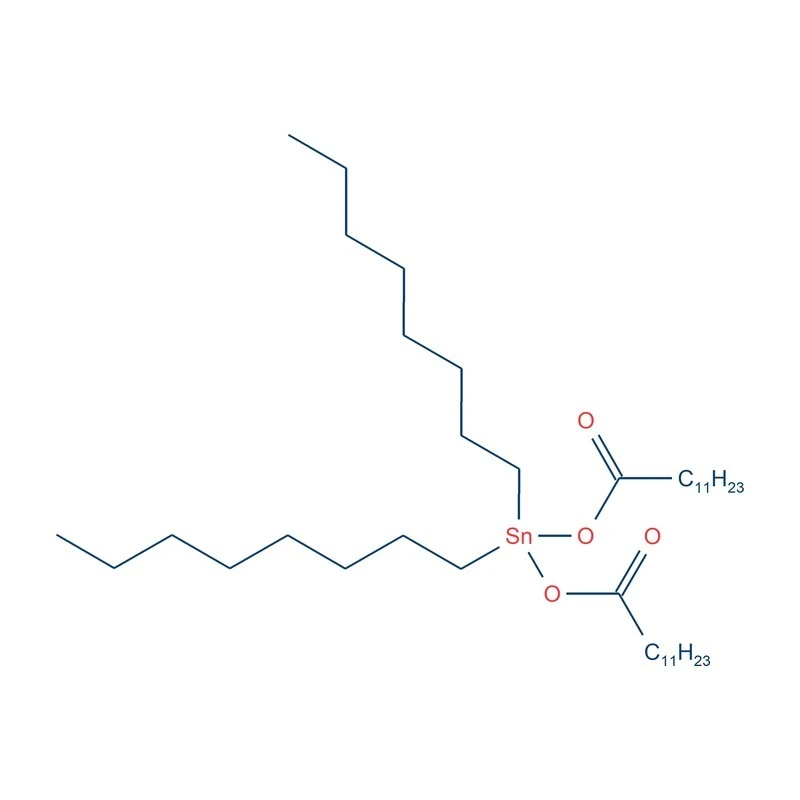
Manta CAT-DOTDL
Organotin Catalyst & Lubricant (Dioctyltin Dilaurate)
Need a finished adhesive or sealant rather than the polymer? See our custom MS adhesives and sealants service.
Talk to our technical team
Tell us your application, target properties and estimated quantity. We will suggest grades and arrange documents or samples.