
SPUR & Specialty Binders
Silane-Modified Binder for Mineral Flooring | Manta MS692
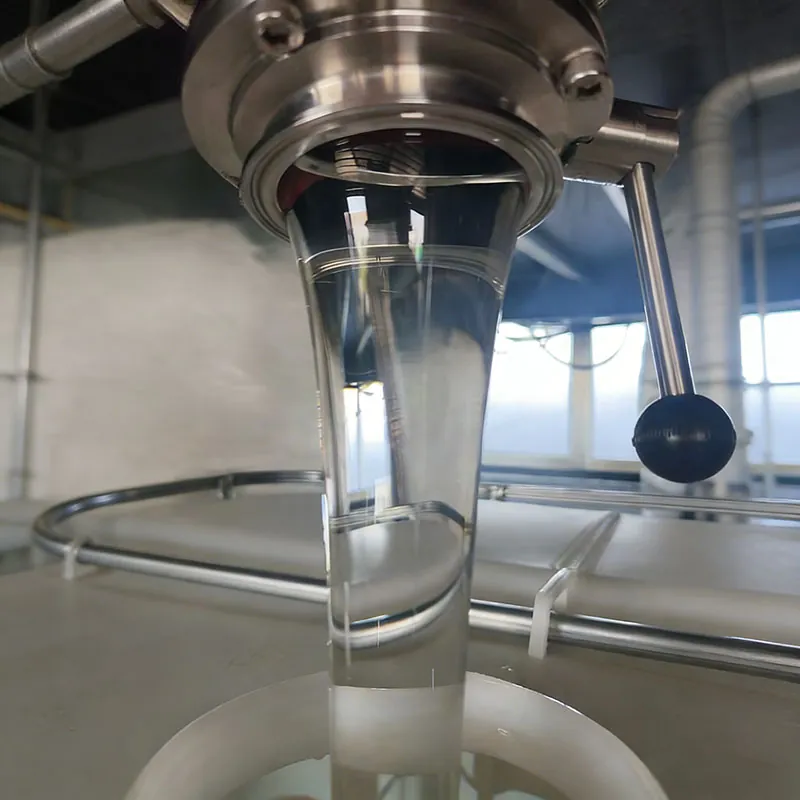
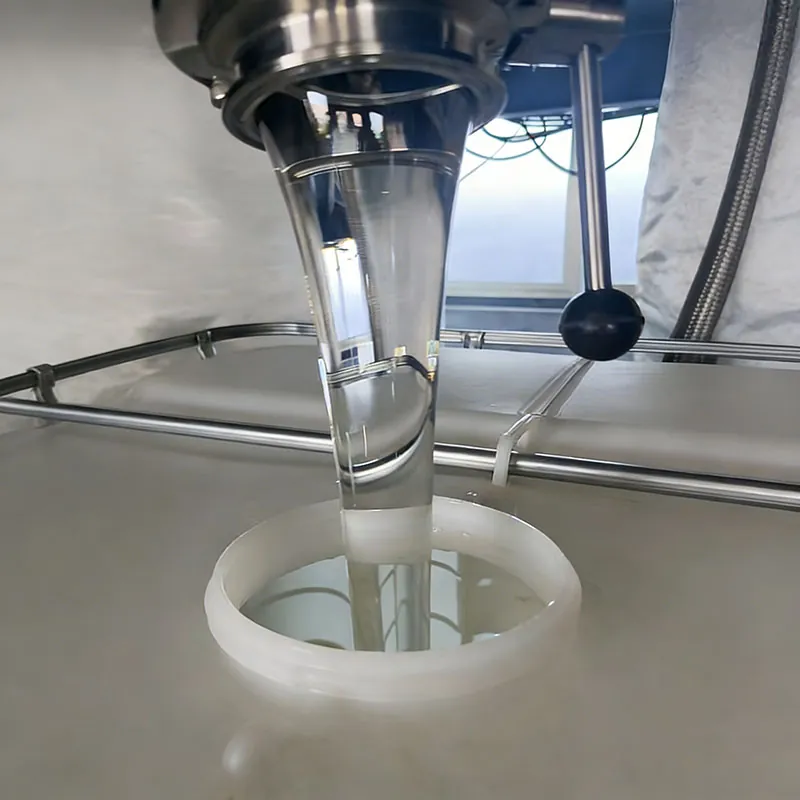
Manta MS692 is a low-viscosity, moisture-curing silane-modified polyether (SMP) binder designed for tin-free amine catalysis. It is used as the main binder in penetrating impregnations and thin-film coatings for protecting mineral surfaces such as paving stones, masonry, natural stone and industrial concrete floors.
- Grade
- MS692
- Chemical Name
- Silane-modified polyether
- Form
- Clear to pale yellow liquid
Overview
Manta MS692 is a low-viscosity, moisture-curing silane-modified polyether binder designed for tin-free catalysis. The polymer crosslinks by hydrolysis and condensation of its terminal alkoxysilane groups on exposure to ambient moisture, and the cure rate and rheology of the final formulation are adjusted with aminosilane catalysts. No organotin catalyst is required.
The cured binder forms a crosslinked, hydrophobic siloxane network in the substrate pores or as a surface film, providing resistance to water ingress and oily stains. The base binder contains no volatile organic solvents or low-molecular-weight plasticizers, which limits shrinkage during curing, and its low viscosity allows fast wetting of fillers and pigments and good penetration into porous mineral substrates.
In the same series, Manta MF3 is also a low-viscosity silane-terminated polyether (1,000 – 2,000 mPa·s at 25 °C), but it is intended for elastic sealants and encapsulating adhesives. MS692 (approx. 150 mPa·s at 25 °C) is formulated with aminosilane catalysts for mineral surface protection.
Key Features
- Designed for tin-free amine catalysis; no organotin catalyst required
- Forms a hydrophobic siloxane network in substrate pores or as a surface film
- Resistance to water ingress and oily stains
- Base binder contains no volatile organic solvents or low-molecular-weight plasticizers
- Limited shrinkage during curing
- Low viscosity for fast wetting of fillers and pigments
- Good penetration into porous mineral substrates
Cross-Reference
Manta MS692 can be considered as an alternative to Wacker SILRES BS 6920.
Trademarks are the property of their respective owners; no affiliation is implied.
Specifications
| Property | Typical Value |
|---|---|
| Appearance | Clear to pale yellow liquid |
| Viscosity (25 °C) | approx. 150 mPa·s |
| Density (25 °C) | 1.13 g/cm³ |
| Active Content | 100 % (solvent- and plasticizer-free) |
Typical values from the current Technical Data Sheet.
Applications
- Penetrating impregnation: formulated with suitable aminosilanes for stain-resistant treatment of highly porous substrates such as paving stones, clinker, masonry and natural stone
- Thin-film coatings: clear or pigmented topcoats for polished and unpolished industrial concrete floors
- Application methods: short-pile roller, brush, mop or airless spray equipment
Processing
- Compounding sequence: MS692 can be processed in planetary mixers or high-speed dissolvers. Disperse rheological additives, matting agents or pigments in the binder first.
- Catalyst addition: add the aminosilane catalyst as the last component.
- Moisture control: after catalyst addition the system reacts quickly with atmospheric moisture. Minimize exposure to air, blanket the mixing vessel with a dry inert gas (e.g., nitrogen) and fill immediately into tightly sealed containers to prevent premature crosslinking.
Related reading: Difference Between MS, STPE, SMP, STPU and SPU
Packaging & Storage
50 kg plastic drum with aluminum-foil liner bag;
200 kg drum with aluminum-foil liner bag;
1,000 kg IBC (tote);
Other pack sizes available on request.
Safety and Storage
Store in the tightly closed original container in a cool, dry place, protected from moisture and direct sunlight. Shelf life: 12 months from the date of production when stored as recommended. The product is classified as non-hazardous. Refer to the current Safety Data Sheet (SDS) for safety, handling and transport information.
Note: The values in this data sheet are typical values and are not intended for use in preparing specifications. Users should test the product to determine its suitability for their specific application.
Documents
- Technical Data Sheet · PDF Download TDS
- SDS and COA · on request Request Documents
Frequently Asked Questions
How should the aminosilane catalyst be added to MS692 formulations?
Add the aminosilane catalyst as the last component, after rheological additives, matting agents or pigments have been dispersed in the binder. The cure rate and rheology of the final formulation are adjusted with the aminosilane catalyst.
What application methods work for MS692-based coatings?
MS692 formulations can be applied by short-pile roller, brush, mop or airless spray. As a thin-film topcoat they are used clear or pigmented on polished and unpolished industrial concrete floors, typically at < 100 µm wet film thickness.
Why is nitrogen blanketing required when processing MS692?
After catalyst addition the system reacts quickly with atmospheric moisture. Minimizing exposure to air, blanketing the mixing vessel with a dry inert gas such as nitrogen and filling immediately into tightly sealed containers helps to limit premature crosslinking.
Which mineral substrates can MS692 impregnations protect?
MS692 is formulated with suitable aminosilanes for stain-resistant treatment of highly porous substrates including paving stones, clinker, masonry and natural stone. The cured hydrophobic siloxane network provides resistance to water ingress and oily stains in the substrate pores or as a surface film.
What does the low viscosity of MS692 contribute?
The low viscosity of approx. 150 mPa·s at 25 °C allows fast wetting of fillers and pigments during compounding and good penetration into porous mineral substrates. The base binder also contains no volatile organic solvents or low-molecular-weight plasticizers, which limits shrinkage during curing.
Related Products
MS692 is one step in the sealant and adhesive formulation chain. One inquiry can cover the other raw materials in your formulation, with samples, technical documents, quotation and shipment handled together.
- End Cappers
- MS, STPE & SPUR Polymers
- Adhesion Promoters
- Water Scavengers
- Crosslinkers
- Catalysts
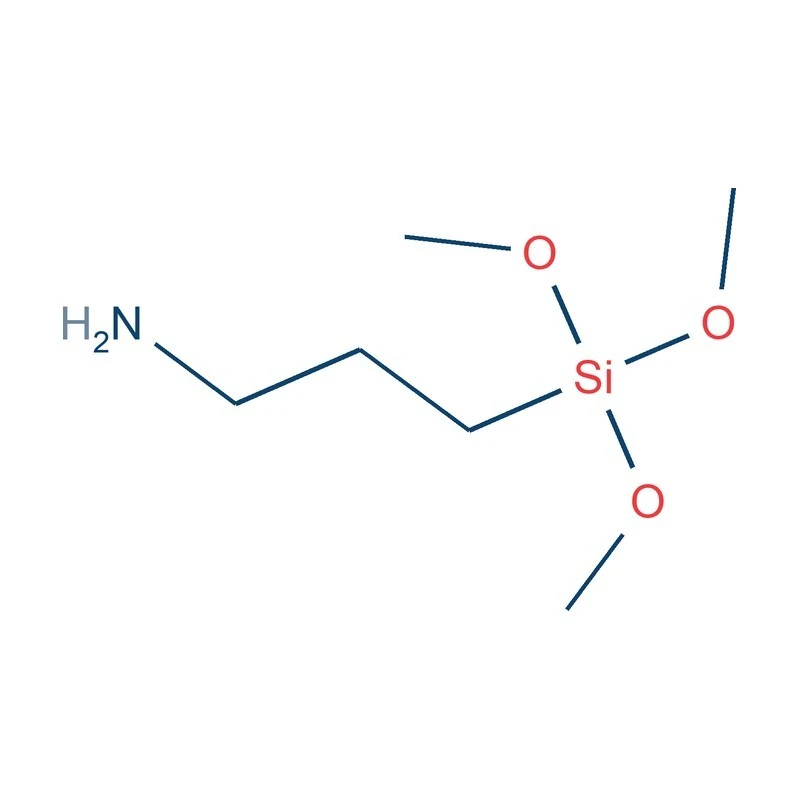
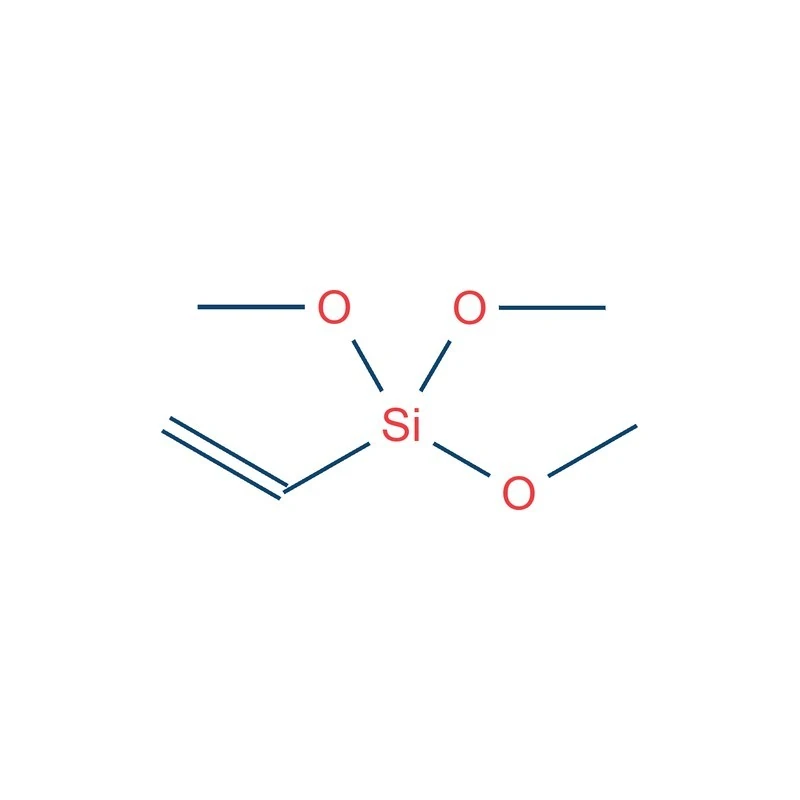
Manta V31
Vinyl-Functional Silane (VTMO) / Crosslinker & Moisture Scavenger
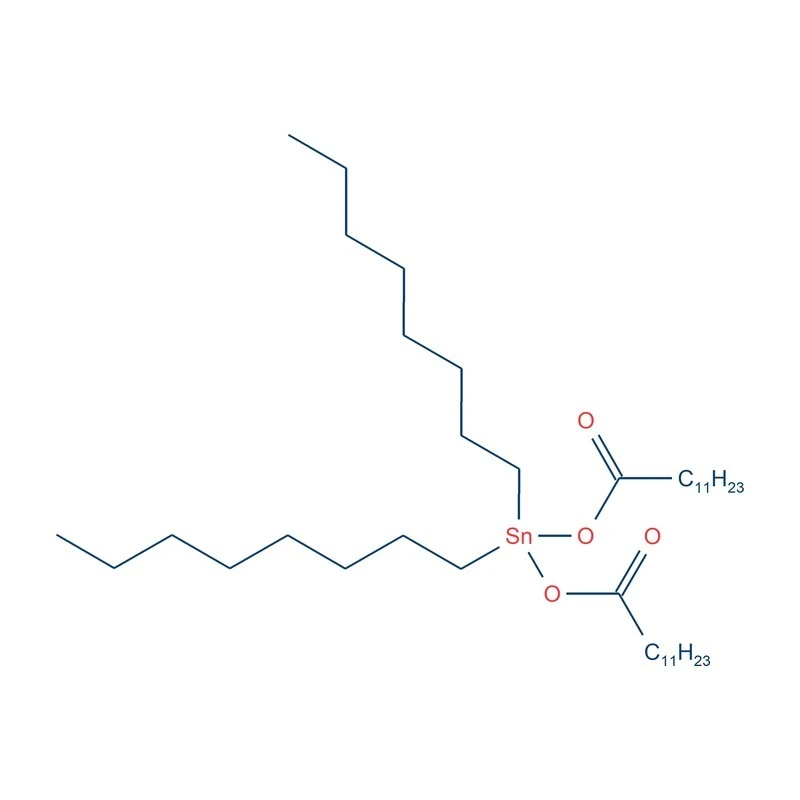
Manta CAT-DOTDL
Organotin Catalyst & Lubricant (Dioctyltin Dilaurate)
Need a finished adhesive or sealant rather than the polymer? See our custom MS adhesives and sealants service.
Talk to our technical team
Tell us your application, target properties and estimated quantity. We will suggest grades and arrange documents or samples.