
SPUR & Specialty Binders
Low Modulus Silylated Polyurethane SPUR M3015
Manta SPUR M3015 is a plasticizer-free silylated polyurethane (SPUR) resin for one-component, moisture-curing sealants and adhesives. With low modulus and good elastic recovery, it is a base resin for joints in prefabricated concrete construction, road and building joint repair, high-transparency glass sealing and industrial joints with high movement requirements.
- Grade
- SPUR M3015
- Chemical Name
- Silylated polyurethane resin
- Form
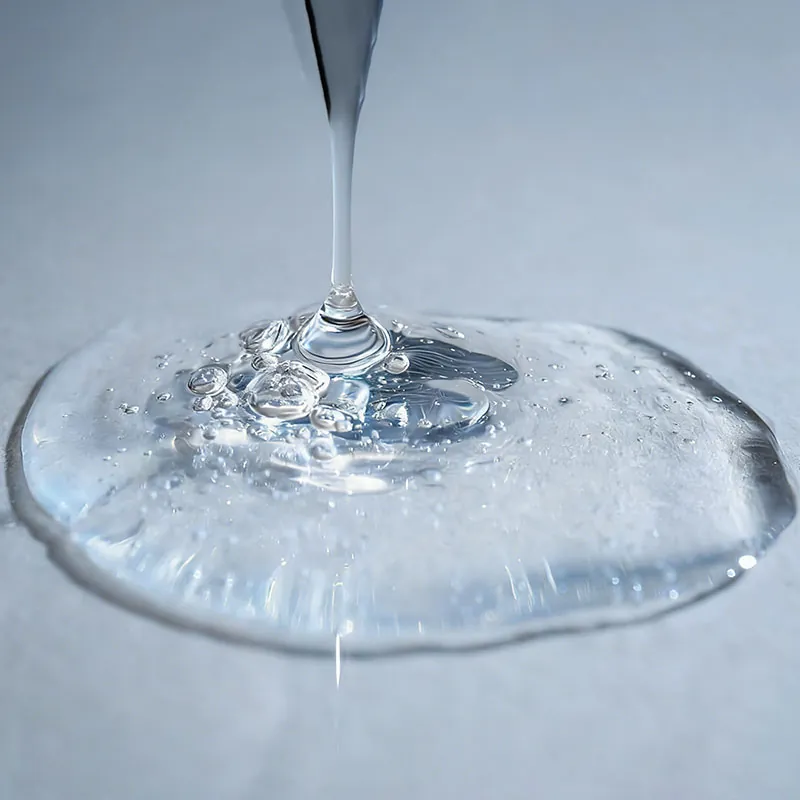
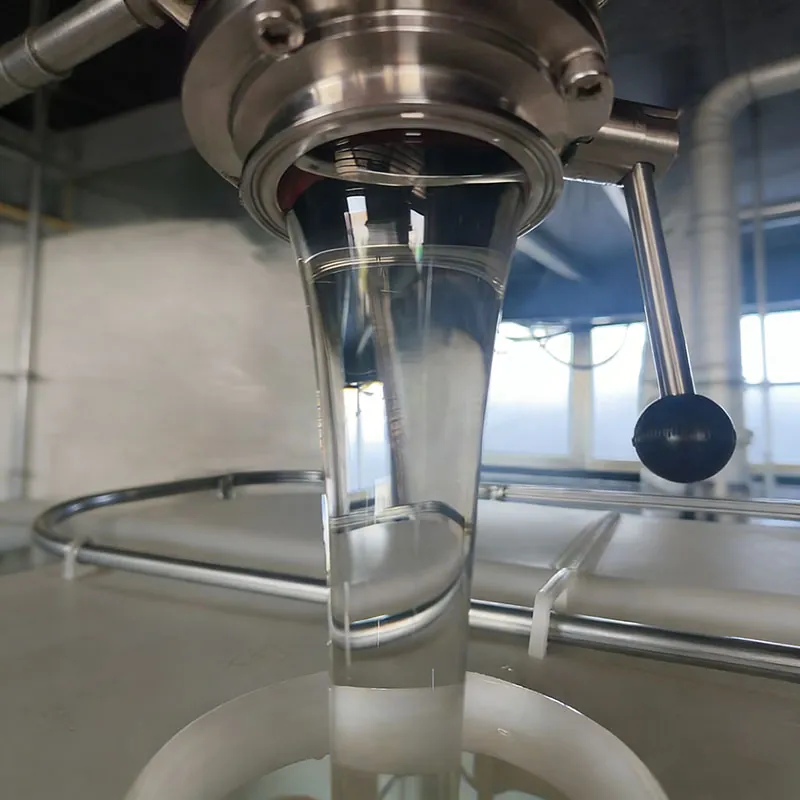
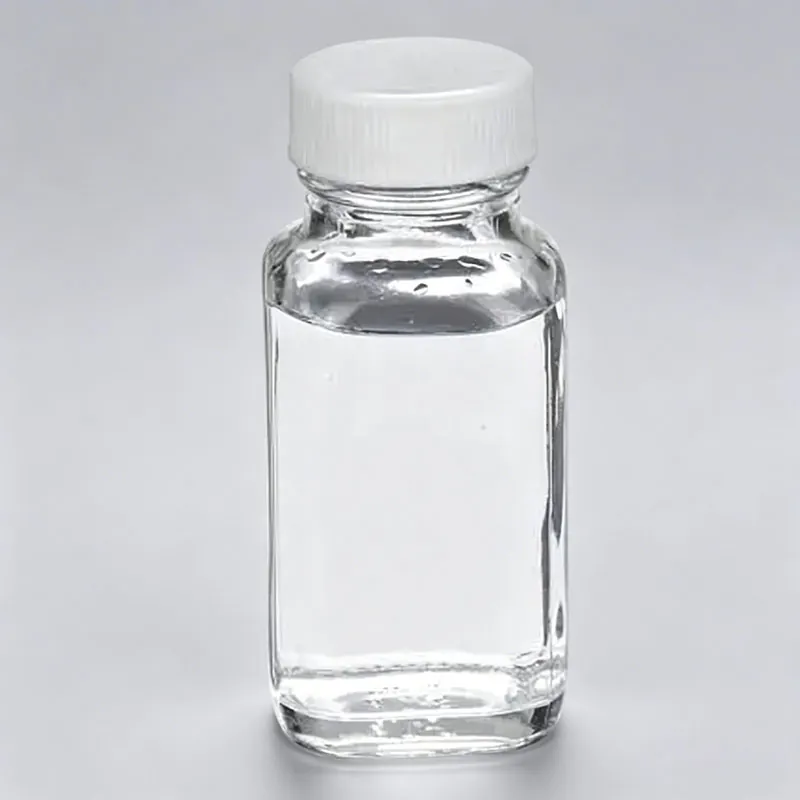
- Slightly yellow viscous liquid
Overview
Manta SPUR M3015 is a silylated polyurethane resin for one-component, moisture-curing sealants and adhesives. It offers broad formulation latitude, strong adhesion to a variety of surfaces, good chemical and weathering resistance, good elastic recovery and long shelf life.
The resin contains no plasticizer and can be used as the base resin for low-modulus sealants and adhesives with high elastic-recovery requirements. Its silane groups react with atmospheric moisture, and curing is typically accelerated with organotin or amine catalysts; catalyst type and level should be determined in the specific formulation.
Manta SPUR M3050 is the medium-modulus counterpart for applications where tensile strength is required. SPUR M3015 is the low-modulus option for joints with high movement and elastic-recovery requirements, with a higher viscosity: 90,000 – 120,000 mPa·s at 25 °C compared with 35,000 – 55,000 mPa·s at 25 °C.
Key Features
- Plasticizer-free resin
- Low modulus for sealants with high elastic recovery
- Broad formulation latitude
- Strong adhesion to a variety of surfaces
- Good chemical and weathering resistance
- Good elastic recovery
- Long shelf life
Specifications
| Property | Typical Value |
|---|---|
| Appearance | Slightly yellow viscous liquid |
| Boiling Point | > 250 °C |
| Viscosity (25 °C) | 90,000 – 120,000 mPa·s |
| Density (25 °C) | 1.02 – 1.05 g/cm³ |
| Modulus | Low |
Typical values from the current Technical Data Sheet.
Applications
- Prefabricated construction: joints in prefabricated concrete (PC) construction
- Road repair: road joint and crack repair
- Building repair: building joint repair
- Glass sealing: high-transparency glass sealing
- Industrial joints: low-modulus sealants for joints with high movement requirements
Processing
The silane groups of Manta SPUR M3015 react with atmospheric moisture. Store and process the resin with moisture excluded; dry fillers before use and add a water scavenger such as vinyltrimethoxysilane (VTMO) to obtain adequate shelf life of the formulated product.
Curing is typically accelerated with organotin or amine catalysts; catalyst type and level should be determined in the specific formulation.
Related applications: Adhesives & Sealants
Related reading: Difference Between MS, STPE, SMP, STPU and SPU
Packaging & Storage
50 kg plastic drum with aluminum-foil liner bag;
200 kg drum with aluminum-foil liner bag;
1,000 kg IBC (tote);
Other pack sizes available on request.
Safety and Storage
Store in the tightly closed original container in a cool, dry place, protected from moisture and direct sunlight. Shelf life: 12 months from the date of production when stored as recommended. The product is classified as non-hazardous. Refer to the current Safety Data Sheet (SDS) for safety, handling and transport information.
Note: The values in this data sheet are typical values and are not intended for use in preparing specifications. Users should test the product to determine its suitability for their specific application.
Documents
- Technical Data Sheet · PDF Download TDS
- SDS and COA · on request Request Documents
Frequently Asked Questions
Why does it matter that SPUR M3015 contains no plasticizer?
SPUR M3015 is supplied plasticizer-free, so any plasticizer in the finished sealant is one the formulator chooses to add. The resin can be used as the base for low-modulus sealants and adhesives with high elastic-recovery requirements.
Where is SPUR M3015 typically used?
In low-modulus sealants and adhesives with high elastic-recovery requirements, for example joints in prefabricated concrete construction, road joint and crack repair, building joint repair, high-transparency glass sealing and industrial joints with high movement requirements.
How do SPUR M3015 and SPUR M3050 differ?
SPUR M3015 is the low-modulus grade (90,000 – 120,000 mPa·s at 25 °C) for sealants with high elastic-recovery requirements, such as joints with high movement. SPUR M3050 is the medium-modulus grade (35,000 – 55,000 mPa·s at 25 °C) for applications where tensile strength is required.
Related Products
SPUR M3015 is one step in the sealant and adhesive formulation chain. One inquiry can cover the other raw materials in your formulation, with samples, technical documents, quotation and shipment handled together.
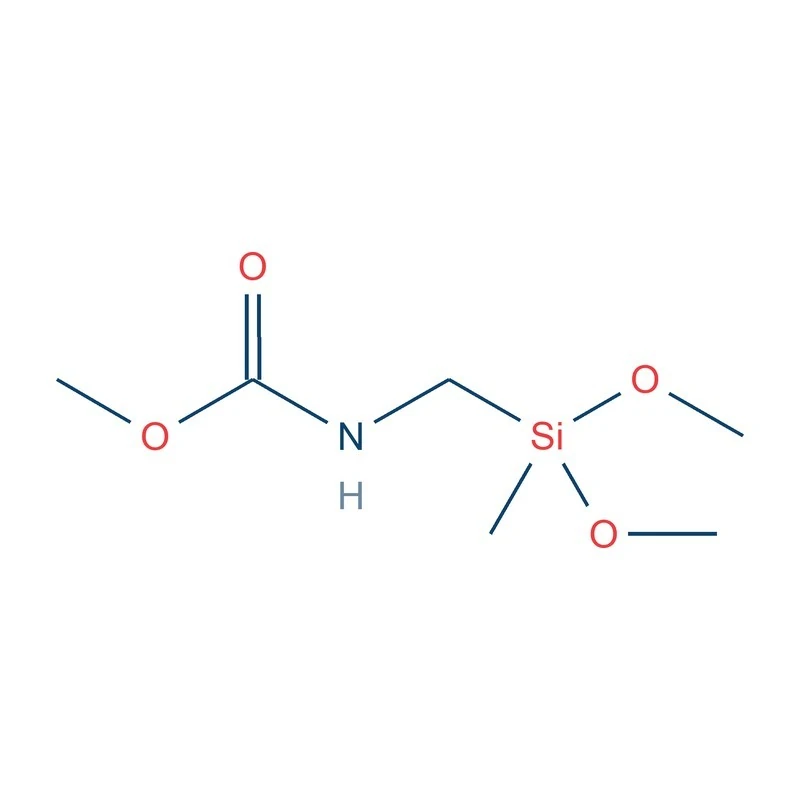
- End Cappers
- MS, STPE & SPUR Polymers
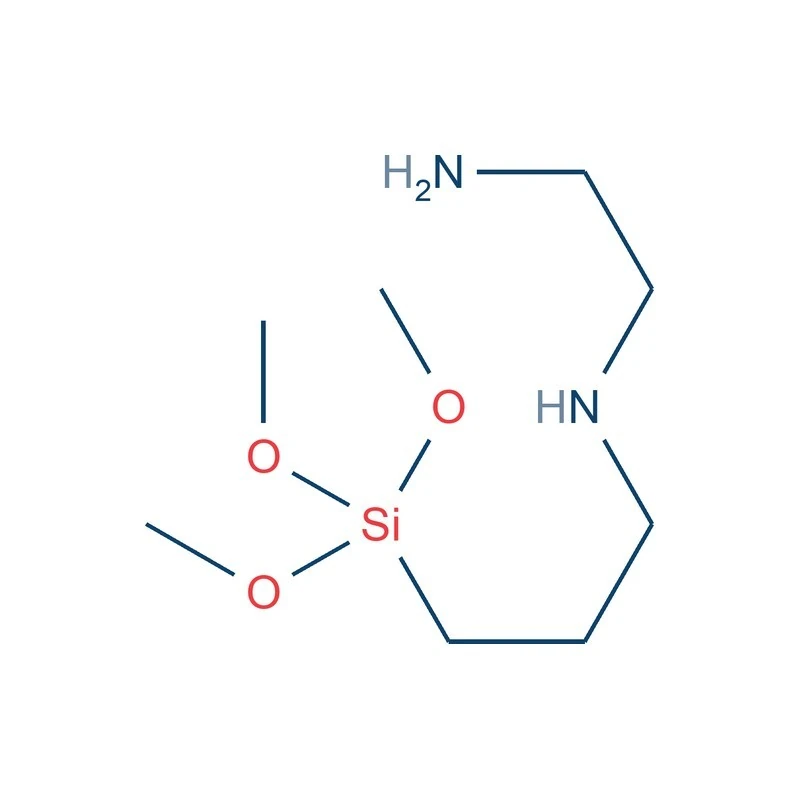
- Adhesion Promoters
- Water Scavengers
- Crosslinkers
- Catalysts
Need a finished adhesive or sealant rather than the polymer? See our custom MS adhesives and sealants service.
Talk to our technical team
Tell us your application, target properties and estimated quantity. We will suggest grades and arrange documents or samples.