
Silicone Emulsions & Fluids
Methyl Hydrogen Silicone Fluid H101
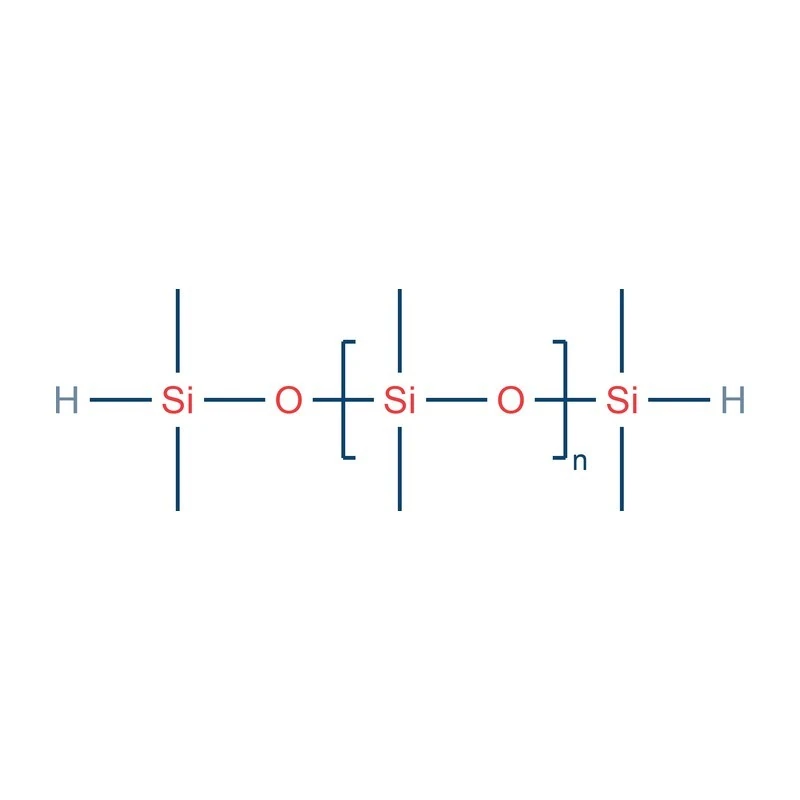
Manta H101 is a reactive methyl hydrogen silicone fluid (polymethylhydrogensiloxane, CAS 63148-57-2, 70900-21-9), used as a mass water repellent for gypsum and dry-mix mortars, a hydrophobic treatment for powders and fillers, and a crosslinker or chain extender in addition-cure silicone rubber. Its silicon-hydride bonds allow it to take part in hydrosilylation reactions.
- Grade
- H101
- Chemical Name
- Polymethylhydrogensiloxane / Hydrogen silicone fluid
- CAS No.
- 63148-57-2 / 70900-21-9
- Synonyms
- Methylhydrogensiloxane
Overview
Manta H101 is a reactive methyl hydrogen silicone fluid supplied in two structures. H101-20 is a trimethylsiloxy-terminated polymethylhydrogensiloxane with silicon-hydride (Si-H) bonds along the backbone. H101-100 is a hydride-terminated polydimethylsiloxane with Si-H at both chain ends.
Beyond the inherent properties of standard dimethyl silicone fluids, such as lubricity and thermal stability, the reactive Si-H bonds allow H101 to act as a crosslinker and take part readily in hydrosilylation reactions. Upon proper catalysis it generates a durable, optically clear and very hydrophobic polymeric network.
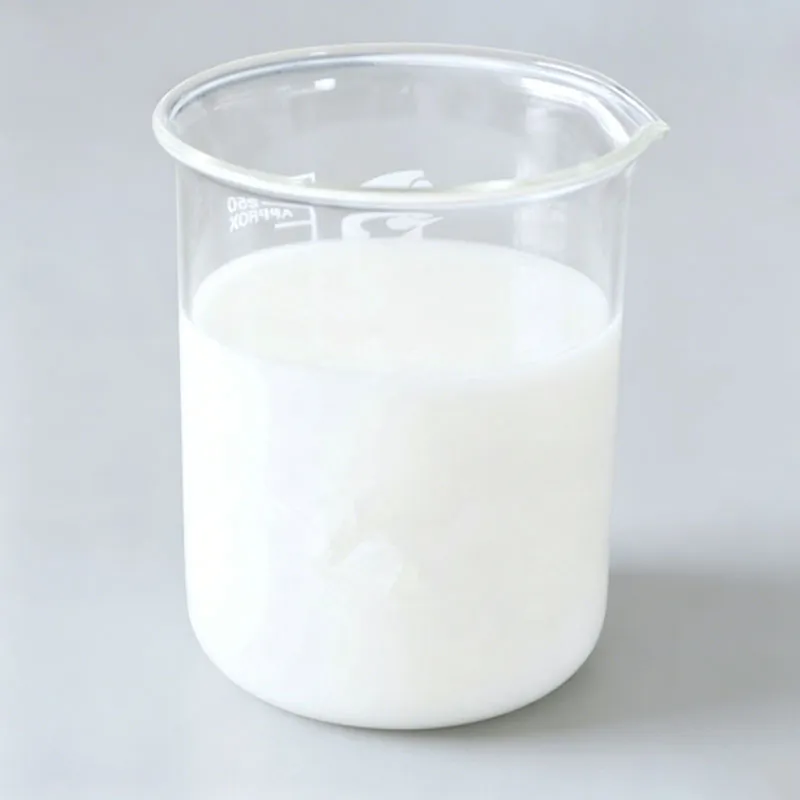
H101 is supplied as a silicone fluid. Manta EH101 is a water-based emulsion of methyl hydrogen polysiloxane that disperses in water and can be applied by admixture, spraying or padding, so it is the form to evaluate where a solvent-free aqueous system is required.
Key Features
- Reactive Si-H bonds for crosslinking and hydrosilylation
- Si-H along the backbone (H101-20) or at the chain ends (H101-100)
- Lubricity and thermal stability of standard dimethyl silicone fluids
- Durable, optically clear and very hydrophobic network upon proper catalysis
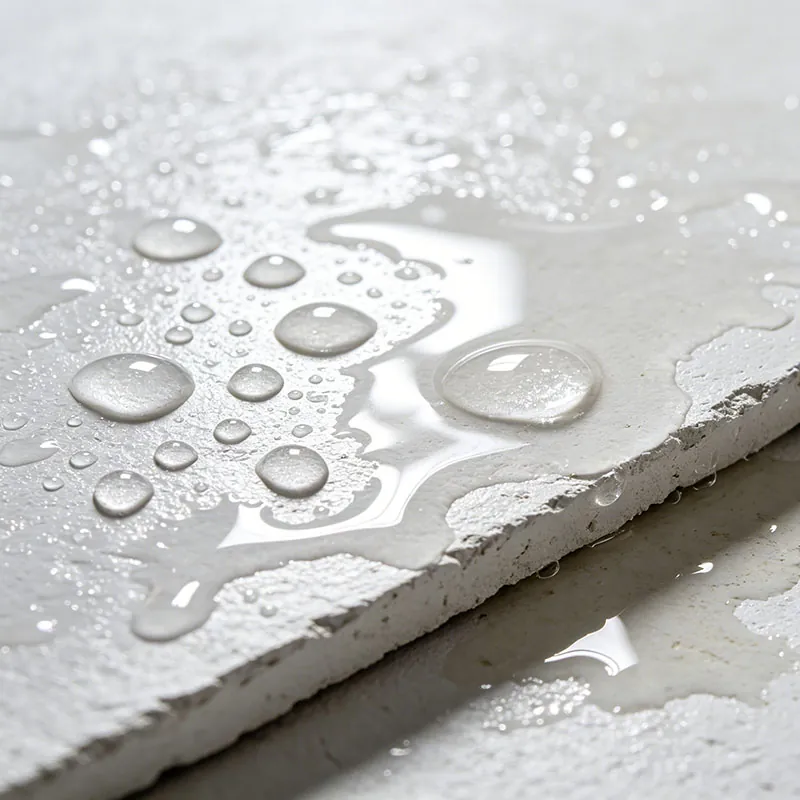
- Mass water repellency that significantly reduces capillary water absorption in gypsum
Cross-Reference
Manta H101-20 can be considered as an alternative to Dow XIAMETER OFX-1107, Wacker SILRES BS 94, Wacker CROSSLINKER V 88 / L 31, Shin-Etsu KF-99 and Momentive TSF484.
Trademarks are the property of their respective owners; no affiliation is implied.
Specifications
| Manta Code: | H101-20 (High Hydrogen) | H101-100 (Low Hydrogen) |
| Chemical Name: | Polymethylhydrogensiloxane | Hydrogen silicone fluid |
| Synonyms: | Methylhydrogensiloxane | |
| CAS No.: | 63148-57-2 | 70900-21-9 |
| Appearance: | Colorless transparent liquid | Colorless transparent liquid |
| Viscosity (25°C, mPa·s): | 15 ~ 50 | 20 ~ 500 |
| Refractive Index(25°C): | 1.3900 ~ 1.4000 | 1.390–1.410 |
| Density (25°C): | 0.98 ~ 1.02 | 0.98 ~ 0.99 |
| Hydrogen Content: | ≥1.5% | 0.01–0.04% (can be customized) |
| pH Value: | 6~7 | 6 ~ 7 |
| Volatiles (%): | ≤1 | |
| Primary Function: | Gypsum / Powder Water Repellent | LSR Chain Extender |
Typical values from the current Technical Data Sheet.
Applications
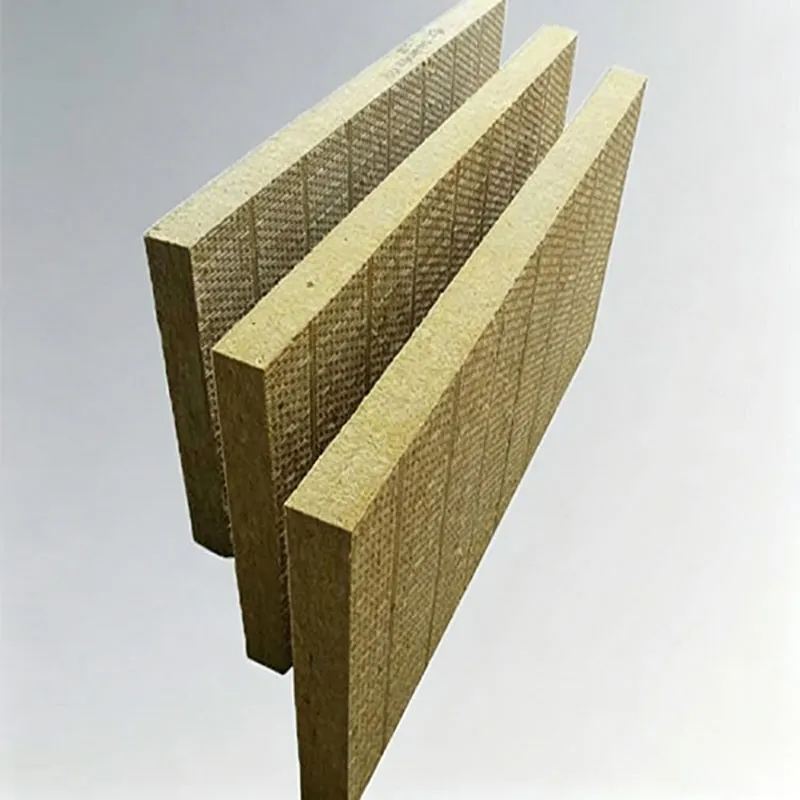
- Gypsum and dry-mix mortars: hydrophobic additive for gypsum board, incorporated internally into plasterboards, gypsum blocks or dry-mix mortars as a mass water repellent that significantly reduces capillary water absorption
- Ceramics and clay products: hydrophobic surface treatment for neutral or slightly acidic fired clay bricks, roofing tiles and ceramics
- Addition-cure silicone rubber: H101-20 as a cross-linking agent for LSR, RTV and HTV systems via platinum-catalyzed hydrosilylation; H101-100 as a chain extender in addition-cure LSR to increase elongation at break and lower hardness
- Powder and filler treatment: hydrophobic surface encapsulation of BC or ABC dry chemical extinguishing powders to help limit moisture caking and maintain flowability; modification of talc, mica and metal oxides to enhance hydrophobicity and dispersion in organic media
- Textile treatment: formulated into an aqueous emulsion with an appropriate metal salt catalyst, it cross-links into a breathable protective membrane on fabrics and imparts durable water repellency (DWR)
- Chemical intermediate: reactive intermediate for synthesizing polyurethane foam stabilizers (polyether-modified silicones)
Application Guidelines & Critical Notes
- Water-Repellent Treatment of Plasterboards & Gypsum Elements: Manta H101 is designed to be added directly to the mixing / gauging water of the plaster. The addition of just 0.1% – 0.5% Manta H101, based on the weight of the dry plaster, significantly reduces capillary water absorption.
- Formulation Variables: The efficiency of Manta H101 heavily depends on the specific kind of plaster, the water-to-gypsum ratio, and the presence of additives such as starch, cellulose ethers, or surfactants. Preliminary lab tests are always necessary to establish the optimal dosage for your specific system.
- Critical Note on Alkalinity & Surface Treatment: Alkaline impurities in the plaster formulation will prematurely catalyze the Si-H bonds, leading to the rapid evolution of hydrogen gas bubbles. This outgassing can cause an undesirable decrease in the bulk density and compromise the final water repellency of the plaster elements. Manta H101 is strictly designed for mass hydrophobation (internal addition) and is not recommended for the topical surface treatment of plaster elements.
Related applications: Concrete, Masonry & Stone Protection · Liquid Waterproofing & Construction · Textile, Leather & Paper Finishing
Packaging & Storage
Supplied in 50 kg, 200 kg drum and 1000 kg IBC.
Safety and Storage
Keep in a cool and dry place and avoid storage in direct sunlight. Shelf life is 12 months. It is non-hazardous substance.
Documents
- Technical Data Sheet · PDF Download TDS
- SDS and COA · on request Request Documents
Frequently Asked Questions
What is the difference between Manta H101-20 and H101-100?
H101-20 is the high-hydrogen grade, a trimethylsiloxy-terminated polymethylhydrogensiloxane with Si-H along the backbone. Its primary function is gypsum and powder water repellency, and it also crosslinks LSR, RTV and HTV addition-cure systems. H101-100 is the low-hydrogen grade, a hydride-terminated polydimethylsiloxane with Si-H only at both chain ends. It acts as a chain extender in addition-cure LSR to increase elongation at break and lower hardness.
How much H101 should be added to plasterboard or gypsum elements?
Add H101 directly to the mixing or gauging water at 0.1% – 0.5%, based on the weight of the dry plaster. Efficiency depends on the kind of plaster, the water-to-gypsum ratio and additives such as starch, cellulose ethers or surfactants, so preliminary lab tests are always necessary to set the dosage.
Why can hydrogen gas bubbles form when using H101 in plaster?
Alkaline impurities in the plaster formulation prematurely catalyze the Si-H bonds and cause rapid evolution of hydrogen gas. This outgassing can lower the bulk density and compromise the final water repellency of the plaster elements.
Can H101 be applied as a topical surface treatment on plaster?
No. H101 is designed for mass hydrophobation by internal addition to the gauging water and is not recommended for topical surface treatment of plaster elements. It can serve as a hydrophobic surface treatment for neutral or slightly acidic fired clay bricks, roofing tiles and ceramics.
How is H101 used for durable water repellency on fabrics?
Formulate it into an aqueous emulsion and combine it with an appropriate metal salt catalyst. It then cross-links into a breathable protective membrane on the fabric and imparts durable water repellency (DWR).
Related Products
H101 is one step in the building protection formulation chain. One inquiry can cover the other raw materials in your formulation, with samples, technical documents, quotation and shipment handled together.
- Alkyl Silane Actives
- Emulsions & Pastes
- Siliconate Liquids & Powders
- Waterproof Coatings
Looking for a different purity, functional group, or a structure not listed here? Contact our technical team.
Talk to our technical team
Tell us your application, target properties and estimated quantity. We will suggest grades and arrange documents or samples.