
Silicone Emulsions & Fluids
Methyl Hydrogen Silicone Emulsion | Manta EH101
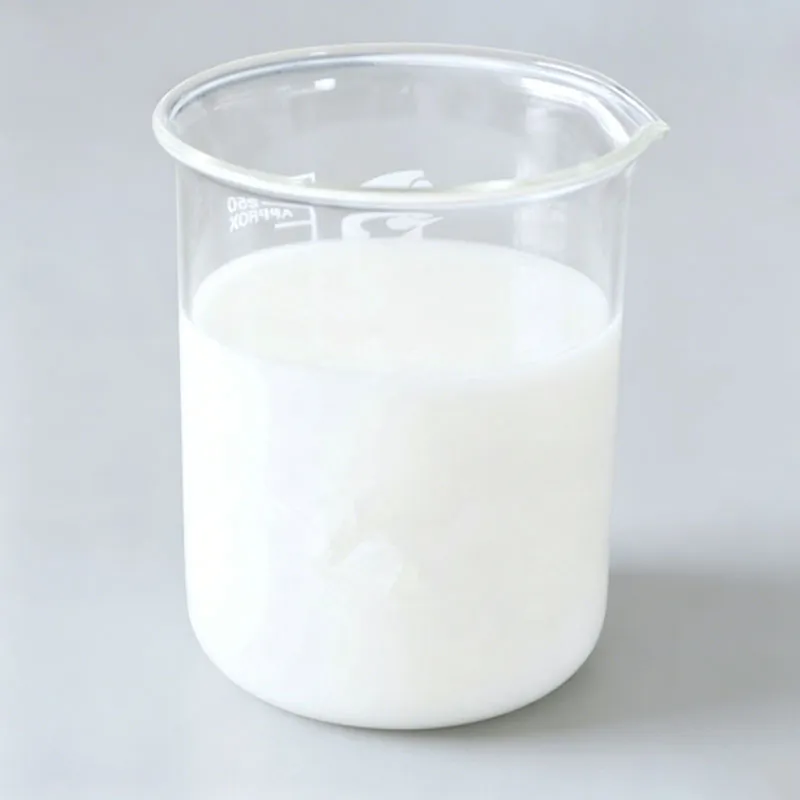
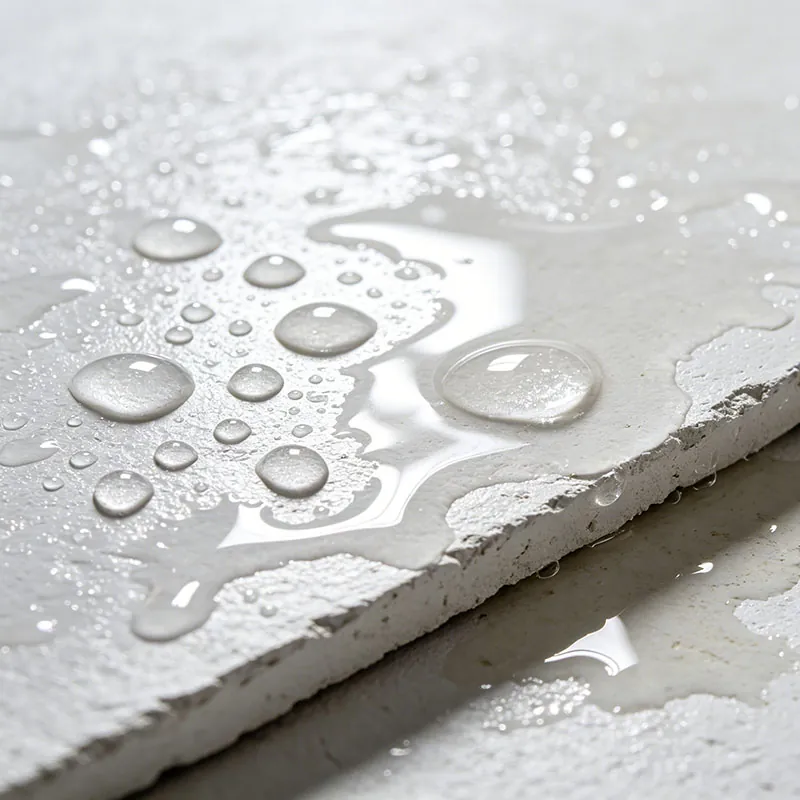
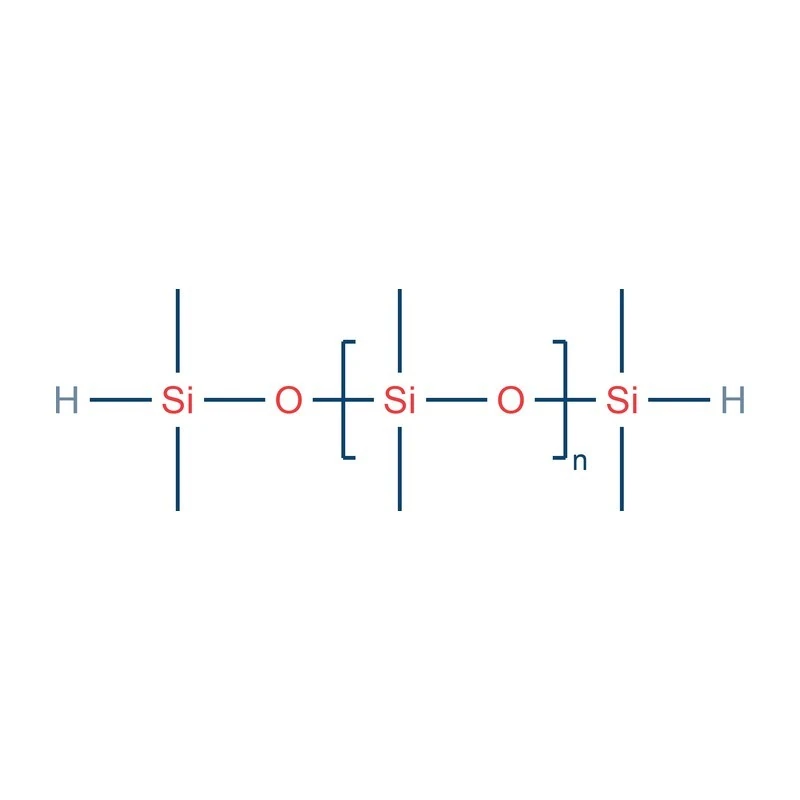
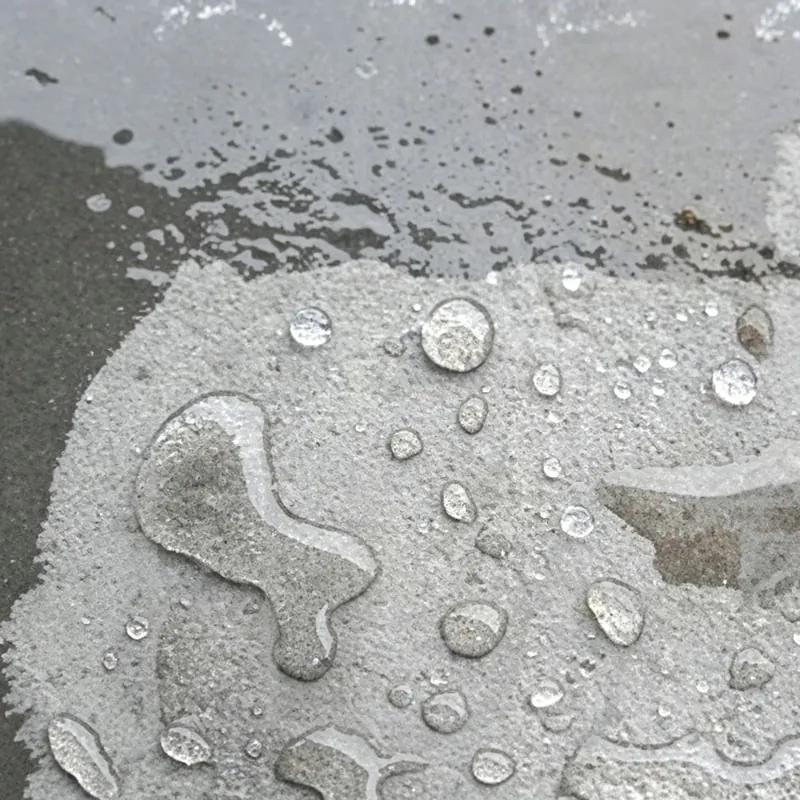
Manta EH101 is a water-based emulsion of methyl hydrogen polysiloxane used as a mass water repellent for gypsum plasterboard, a finishing agent for textiles, a protective coating for glass fiber and mineral wool, and a mold release agent. Its active Si-H bonds cross-link under catalysts or heat to form a durable water-repellent film.
- Grade
- EH101
- Chemical Name
- Methyl hydrogen polysiloxane emulsion
- Form
- Milky white liquid
Overview
Manta EH101 is a water-based emulsion of methyl hydrogen polysiloxane. Because its molecular structure contains active silicon-hydrogen (Si-H) bonds, it can cross-link under the action of catalysts or heat to form a durable, effective water-repellent film on the surface of a substrate or deep within it.
As an aqueous emulsion it is a solvent-free alternative to traditional pure silicone fluids. It disperses well in water, has low VOC emissions and is easy to apply, and it maintains the high vapor permeability of treated materials. It can be applied by admixture (in-mass), spraying or padding.
Manta H101 is the methyl hydrogen silicone fluid. Manta EH102 is a hydroxyl-functional PDMS emulsion whose silanol groups react with hydroxyl sites on the substrate, while EH101 relies on Si-H cross-linking under a catalyst or heat.
Key Features
- Active Si-H bonds that cross-link under catalysts or heat
- Solvent-free aqueous emulsion with good dispersibility in water
- Low VOC emissions
- Maintains the high vapor permeability of treated materials
- Applied by admixture, spraying or padding
- Very thin, chemically inert release film on mold surfaces
Specifications
| Property | Typical Value |
|---|---|
| Appearance | Milky white liquid |
| Solid Content | 30 ± 2% (other solid contents can be customized) |
| pH | 4–6 |
| Centrifugal Stability | 3000 rpm, 15 min: stable, no separation |
Typical values from the current Technical Data Sheet.
Applications
- Gypsum and plasterboard waterproofing: hydrophobic additive for gypsum board, added directly to the gypsum slurry (mixing water) for mass water repellency in moisture-resistant plasterboards and gypsum blocks
- Textile and fabric treatment: used together with hydroxyl silicone emulsion in textile finishing to impart durable water repellency (DWR), softness and improved tear strength to synthetic and natural fabrics
- Glass fiber and mineral wool: protective coating that helps to limit moisture absorption and improves the structural integrity of insulation materials
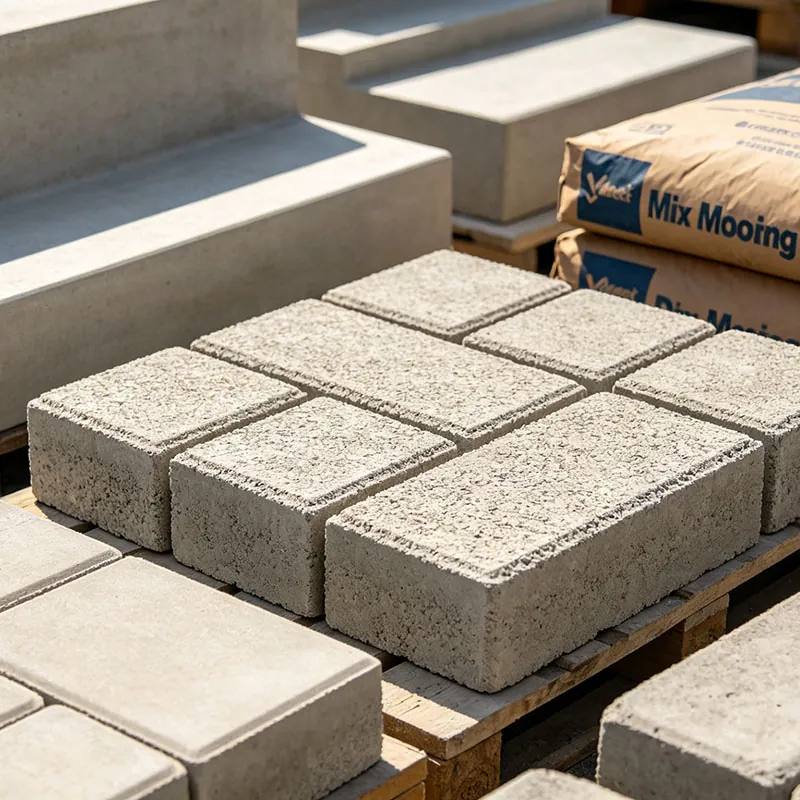
- Construction and industrial materials: water-repellent and moisture-proofing agent for leather, paper, glass, ceramics, metals, cement, concrete and natural stone such as marble
- Mold release agent: forms a very thin, chemically inert release film on mold surfaces; does not corrode molds, needs low coating weight and gives stable release
Application Method
Manta EH101 can be applied via admixture (in-mass), spraying, or padding processes.
- Dilution & Preparation: For surface treatments, dilute EH101 with clean water to the desired working concentration. Tip: Always add the emulsion to the water slowly with gentle agitation; never add water directly into the concentrated emulsion.
- In-Mass Addition (Admixture): For plasterboards or concrete, add the emulsion directly into the gauging water. The recommended dosage is typically 0.2% to 0.8% based on the dry weight of the substrate.
- Surface Coating & Padding: For textiles or glass fibers, apply via a standard pad-dry-cure process. To accelerate Si-H cross-linking and achieve optimal DWR, a suitable catalyst (zinc or tin-based) and heat curing (typically 150°C – 180°C, 1–3 min) are highly recommended.
- Chemical Incompatibility: Avoid mixing the emulsion with strong alkalis, bases, heavy metal salts, or oxidizing agents, as this will destroy emulsion stability and cause violent release of hydrogen gas.
Related applications: Concrete, Masonry & Stone Protection · Liquid Waterproofing & Construction · Paints & Coatings · Textile, Leather & Paper Finishing
Packaging & Storage
Supplied in 50 kg, 200 kg drum and 1000 kg IBC.
Safety and Storage
Keep in a cool and dry place and avoid storage in direct sunlight. Shelf life is 12 months. It is non-hazardous substance.
Documents
- Technical Data Sheet · PDF Download TDS
- SDS and COA · on request Request Documents
Frequently Asked Questions
What is the correct way to dilute Manta EH101 for surface treatments?
Dilute with clean water to the desired working concentration by adding the emulsion slowly to the water under gentle agitation. Never add water directly into the concentrated emulsion.
How much EH101 should be added to gypsum plasterboard or concrete mixes?
For in-mass addition, add the emulsion directly into the gauging water. The recommended dosage is typically 0.2% to 0.8% based on the dry weight of the substrate.
What curing conditions give the best water repellency on textiles and glass fiber?
Apply by a standard pad-dry-cure process. A suitable zinc- or tin-based catalyst and heat curing, typically at 150°C – 180°C for 1–3 min, accelerate Si-H cross-linking and give optimal durable water repellency (DWR).
Which chemicals must not be mixed with EH101?
Avoid strong alkalis, bases, heavy metal salts and oxidizing agents. These destroy emulsion stability and cause violent release of hydrogen gas.
Can the solid content of EH101 be customized?
Yes. The specified solid content is 30 ± 2% (other solid contents can be customized). There is no fixed minimum order quantity; quantities are agreed case by case.
Related Products
EH101 is one step in the building protection formulation chain. One inquiry can cover the other raw materials in your formulation, with samples, technical documents, quotation and shipment handled together.
- Alkyl Silane Actives
- Emulsions & Pastes
- Siliconate Liquids & Powders
- Waterproof Coatings
Looking for a different purity, functional group, or a structure not listed here? Contact our technical team.
Talk to our technical team
Tell us your application, target properties and estimated quantity. We will suggest grades and arrange documents or samples.