
Silicone Emulsions & Fluids
Cationic Silane/Siloxane Emulsion | Manta WS400
Manta WS400 is a solvent-free cationic emulsion of reactive silanes and modified polysiloxanes, optimized for the surface impregnation of porous mineral substrates such as fired brick, clinker, natural stone and mineral renders. Its cationic substantivity develops early water resistance very fast. It is for topical use only and must not be added to fresh concrete.
- Grade
- WS400
- Chemical Name
- Cationic silane/polysiloxane emulsion
- Form
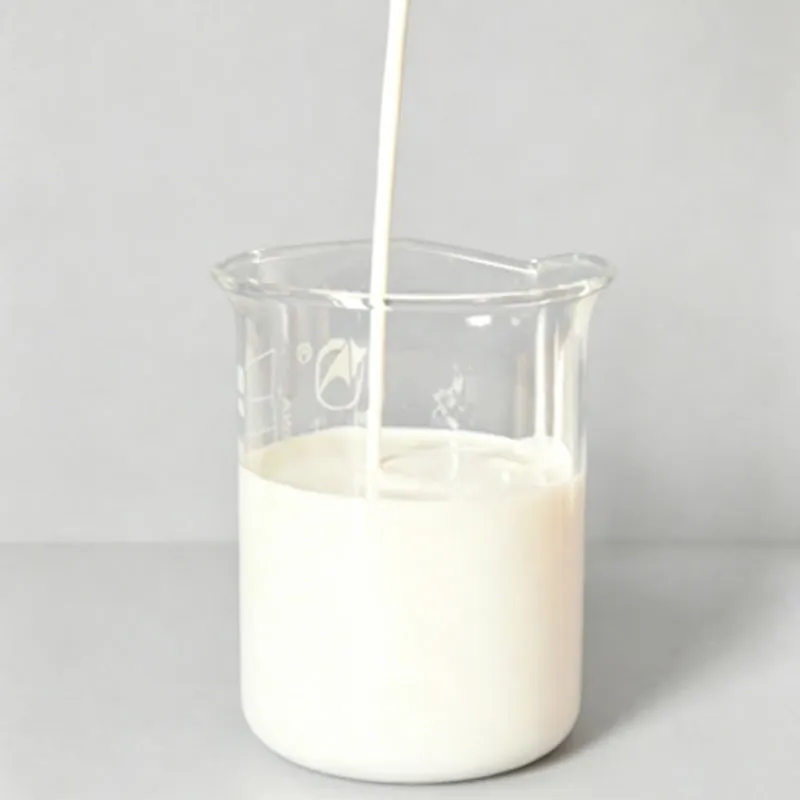
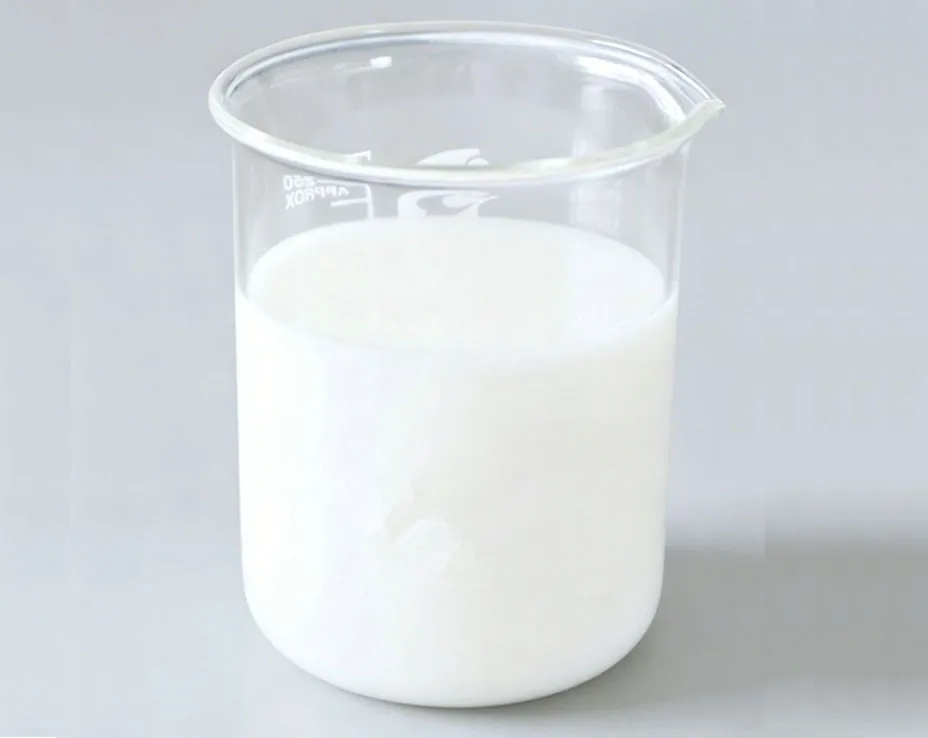
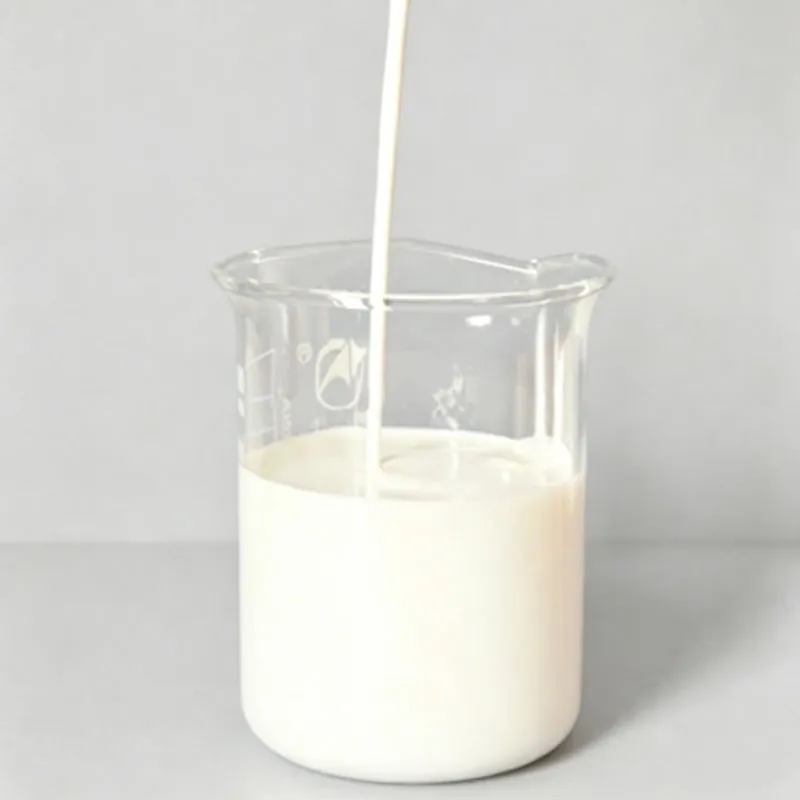
- Milky white liquid
Overview
Manta WS400 is a cationic emulsion based on reactive silanes and modified polysiloxanes, with an active content of approx. 50% and a pH of approx. 4.0-6.0. It is used as the water-repellent active in water-based impregnators and surface treatments and is specifically optimized for surface impregnation.
Cationic surface substantivity gives WS400 very fast early water resistance, along with a strong surface water-beading effect and good depth of penetration into mineral capillary networks. The water vapor permeability of the substrate is maintained. WS400 suits fired brick, clinker, sand-lime brick, natural stone and mineral renders or mortars. It is less suitable for dense, low-absorbency natural stone, especially limestone and marble.
The cationic chemistry also sets the limits of use. WS400 is designed to be applied as a stand-alone aqueous dilution, it must never be mixed with anionic emulsions or additives, and it cannot be used as an integral admixture in fresh cement or concrete because immediate coagulation will occur. Formulators who need in-mass hydrophobation as well as surface impregnation should evaluate Manta WS180, which covers both uses.
Key Features
- Cationic silane/polysiloxane system with fast-acting, strong water repellency
- Very fast early water resistance from cationic surface substantivity
- Strong surface water-beading effect
- Good depth of penetration into mineral capillary networks
- Maintains the water vapor permeability of the substrate
- Solvent-free, water-borne formulation
Cross-Reference
Manta WS400 can be considered as an alternative to Wacker SILRES BS 4004.
Trademarks are the property of their respective owners; no affiliation is implied.
Specifications
| Property | Typical Value |
|---|---|
| Appearance | Milky white liquid |
| Active Content (%) | approx. 50 |
| Density (20°C, g/cm³) | approx. 1 |
| pH Value | approx. 4.0-6.0 |
Typical values from the current Technical Data Sheet.
Applications
- Water-based impregnators: active water-repellent agent for surface treatment formulations
- Brick: fired brick, clinker and sand-lime brick
- Stone and renders: natural stone and mineral renders or mortars; less suitable for dense, low-absorbency stone such as limestone and marble
Application Guidelines
Manta WS400 is highly suitable for various porous mineral substrates, including fired brick, clinker, sand-lime brick, natural stone, and mineral renders/mortars. It is less suitable for dense, low-absorbency natural stone, especially limestone and marble.
- Dilution Ratio: Dilute WS400 with water at a ratio of 1:4 to 1:9 depending on the substrate's absorption capacity.
- Application Technique: Apply the diluted solution generously and evenly using a brush, roller, or flooding method. A "wet-on-wet" application technique is highly recommended to ensure complete, uninterrupted coverage.
Key Formulation & Mixing Rules
- Water Quality: It is highly recommended to dilute WS400 with deionized or purified water. Hard water containing high levels of calcium and magnesium ions may compromise the emulsion's dilution stability.
- Dilution Sequence (CRITICAL): To avoid emulsion shock or phase inversion, always add the water slowly to the WS400 emulsion under continuous, gentle agitation. Strictly prohibit adding the concentrated emulsion directly into a large volume of water.
- Compatibility Warning: WS400 is a cationic system. It is primarily designed to be applied as a stand-alone aqueous dilution. If compounding with other polymer dispersions is required, strict compatibility testing must be conducted. Never mix with anionic emulsions or additives, as immediate coagulation (flocculation) will occur.
- Application Restriction (CRITICAL): Due to its highly substantive cationic nature, WS400 is designed exclusively for topical/surface application. DO NOT use as an integral admixture (mass hydrophobation) in fresh cement or concrete, as immediate coagulation will occur.
Packaging & Storage
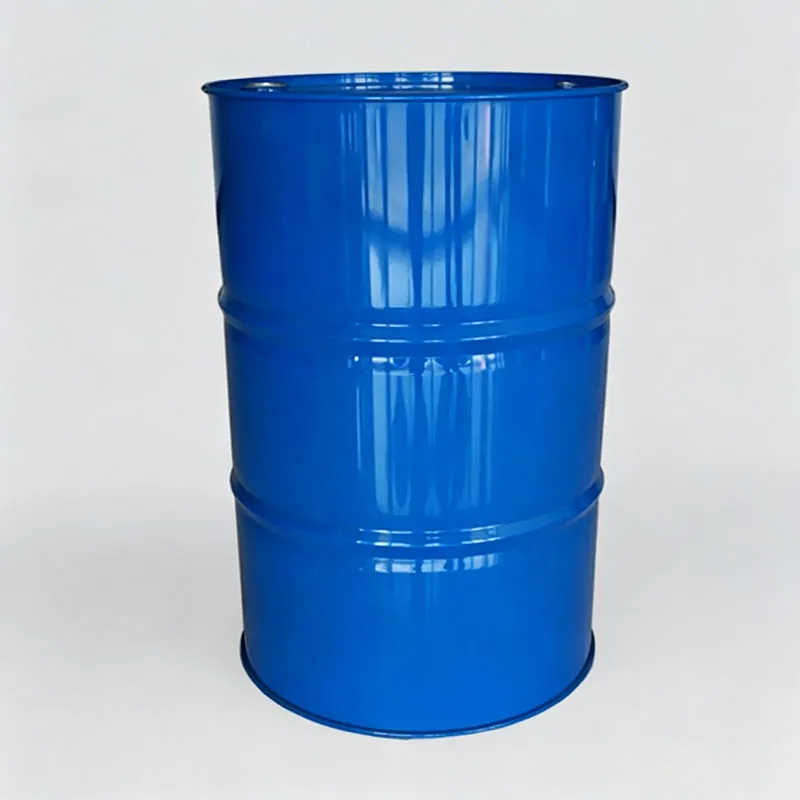
Supplied in 20-25 kg plastic drum, 180-200 kg iron drum.
Safety and Storage
Temperature Sensitivity: Manta WS400 is an aqueous cationic emulsion that is highly sensitive to frost and extreme heat. It must be stored indoors at temperatures strictly between 5°C and 40°C.
Storage Risks: Exposure to temperatures outside this recommended range may cause irreversible emulsion breakage (phase separation).
Quality Verification: In the event of suspected frost or heat damage, the viability and homogeneity of the product must be thoroughly verified prior to any application or formulation.
Documents
- Technical Data Sheet · PDF Download TDS
- SDS and COA · on request Request Documents
Frequently Asked Questions
What is the correct way to dilute Manta WS400?
Dilute WS400 at 1:4 to 1:9 depending on the absorption capacity of the substrate, always adding the water slowly to the emulsion under continuous, gentle agitation. Never add the concentrated emulsion directly into a large volume of water, because emulsion shock or phase inversion can occur. Deionized or purified water is recommended, since hard water with high calcium and magnesium levels may compromise dilution stability.
Can WS400 be added into fresh cement or concrete as an integral admixture?
No. WS400 is designed exclusively for topical surface application. Because of its highly substantive cationic nature, immediate coagulation will occur if it is used for mass hydrophobation in fresh cement or concrete.
Is WS400 compatible with other polymer dispersions?
WS400 is a cationic system designed to be applied as a stand-alone aqueous dilution. Never mix it with anionic emulsions or additives, as immediate coagulation (flocculation) will occur. Any compounding with other polymer dispersions requires strict compatibility testing.
When should I pick WS400 instead of WS180?
Pick WS400 for topical impregnation where cationic surface substantivity is wanted to develop early water resistance very fast; it must not be used in-mass. WS180 also covers surface impregnation and can additionally serve as an integral admixture in concrete or mortar.
Which substrates is WS400 less suitable for?
WS400 is less suitable for dense, low-absorbency natural stone, especially limestone and marble. It is intended for porous mineral substrates such as fired brick, clinker, sand-lime brick, natural stone and mineral renders or mortars.
Related Products
WS400 is one step in the building protection formulation chain. One inquiry can cover the other raw materials in your formulation, with samples, technical documents, quotation and shipment handled together.
- Alkyl Silane Actives
- Emulsions & Pastes
- Siliconate Liquids & Powders
- Waterproof Coatings

Looking for a different purity, functional group, or a structure not listed here? Contact our technical team.
Talk to our technical team
Tell us your application, target properties and estimated quantity. We will suggest grades and arrange documents or samples.